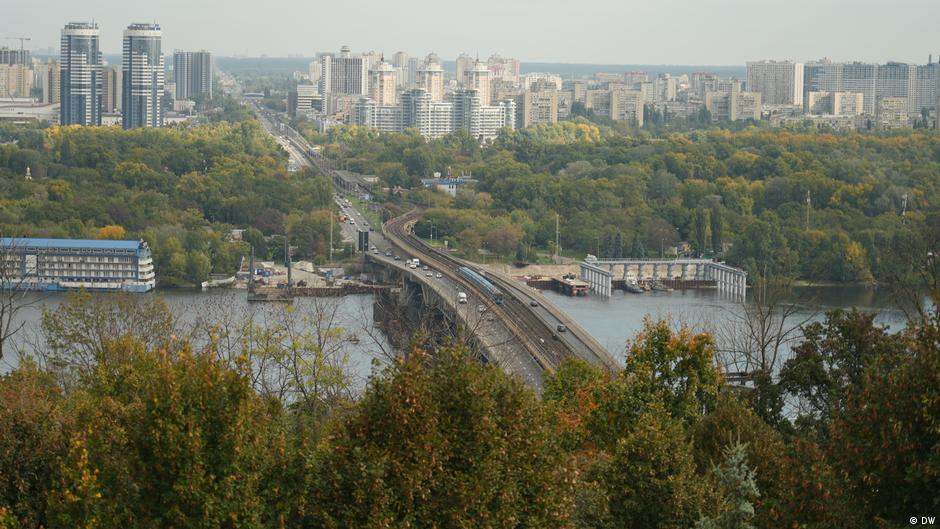
Russian Strikes Disrupt Key Ukrainian Energy and Port Infrastructure Amid Ongoing Conflict
Missile and drone attacks hit Ukrainian port city Izmail, Naftogaz facilities in Dnipropetrovsk, and civilian areas in Kharkiv.
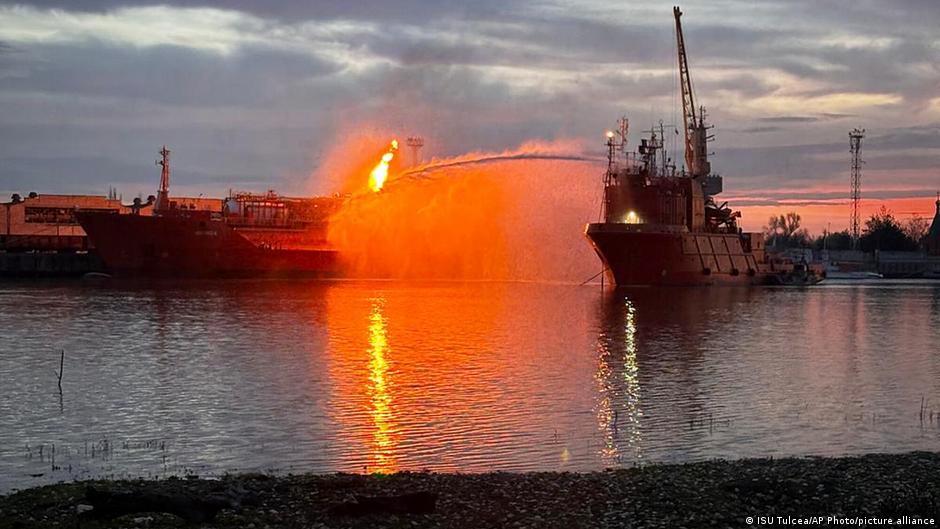
Russian forces have intensified attacks on critical Ukrainian infrastructure, targeting the port facilities in the city of Izmail, oil and gas installations in Dnipropetrovsk region, and residential districts in Kharkiv. These strikes are part of a broader campaign affecting Ukraine’s energy sector and urban centers, with potential implications for regional supply chains and economic stability.
Impact on Energy Infrastructure and Port Operations
On the night of May 19, the port city of Izmail in southern Ukraine’s Odessa region experienced a renewed aerial assault by Russian armed forces. Local authorities reported damage to port infrastructure, though no casualties or substantial destruction were recorded. Emergency responders quickly contained the fallout, and most airborne munitions were intercepted over open terrain outside populated areas.
"Almost all aerial weapons were destroyed over open territory beyond Izmail district’s settlements," stated the Izmail district administration.
Further south-east, Naftogaz, Ukraine’s state-owned oil and gas company, disclosed a series of concentrated drone and ballistic missile attacks on its facilities in Dnipropetrovsk region. Between May 17 and 18, near-continuous drone strikes were reported, followed by a coordinated strike with three ballistic missiles targeting critical infrastructure. Although damage and destruction occurred, staff safety was maintained with no injuries reported.
Naftogaz also noted that Poltava region’s infrastructure faced similar ballistic missile barrages in the previous week, highlighting the persistent threat to Ukraine’s energy network amid the conflict.
Drone Attacks on Kharkiv and Expanding Drone Capabilities
At the same time, the mayor of Kharkiv, Igor Terekhov, reported drone attacks on the Novobavarsky and Kholodnogorsky districts. The strikes damaged civilian infrastructure, sparking fires in residential areas. Rescue efforts are ongoing, with two people already evacuated from one damaged home, while a third individual remains potentially trapped under debris.
These incidents underscore the increasing use of unmanned aerial vehicles (UAVs) in the conflict, affecting both military and civilian targets. Notably, Ukrainian forces have also expanded their drone strike capabilities deep into Russian territory, including major cities in the Ural region. Approximately a quarter of Russia’s territory, home to more than 70% of its population, is reportedly within reach of Ukrainian UAVs, signaling a significant evolution in digital warfare tactics.
Fintech and Digital Economy Implications
The ongoing attacks on energy and urban infrastructure carry wide-ranging implications for the fintech and digital economy sectors in the region. Disruptions to energy supply chains can impact digital banking operations and crypto mining activities reliant on stable power availability. Moreover, the use of drones and ballistic missiles highlights the growing cybersecurity challenges for critical infrastructure protection amid hybrid warfare.
Financial technology firms operating in Ukraine and neighboring regions must increasingly account for risks linked to infrastructure vulnerability and cyber-physical threats. Additionally, the conflict accelerates interest in decentralized finance and blockchain-based solutions that can provide resilience against centralized system failures caused by physical attacks.
As the conflict continues, monitoring the intersection of military developments with digital economic stability remains essential for investors and technology stakeholders focusing on Eastern Europe.