US Secretly Aids 70 Vessels Through Strait of Hormuz Amid Iran Tensions
US Central Command covertly assists commercial ships navigating the Iran-blocked Strait of Hormuz, impacting maritime security and digital tracking systems.
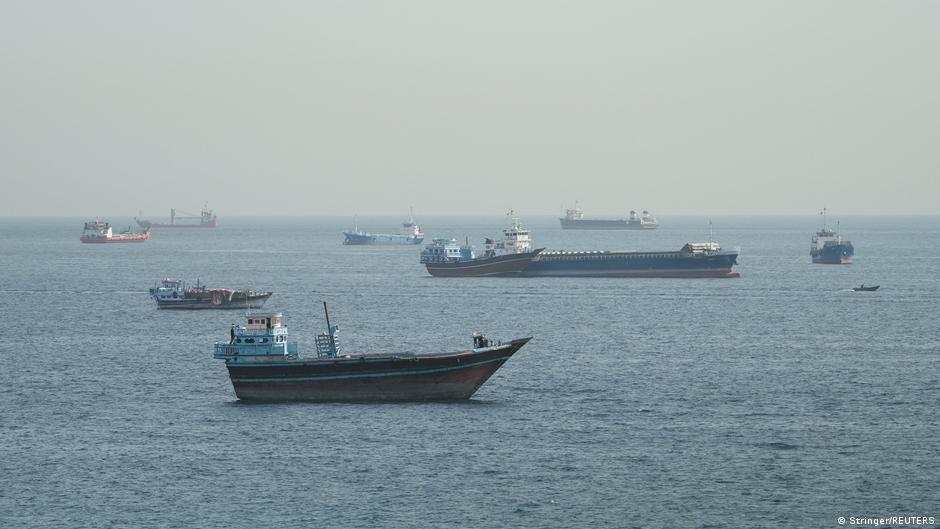
Over the past three weeks, the United States Central Command (CENTCOM) has covertly assisted approximately 70 commercial vessels in passing through the Strait of Hormuz, which is currently blocked by Iran, according to informed sources. Most of these ships operated with their transponders switched off, complicating traditional maritime tracking and raising cybersecurity concerns.
Covert Naval Assistance and Maritime Security Implications
The Strait of Hormuz is a crucial chokepoint for global oil shipments and international maritime trade. Iran has effectively blocked the passage in a bid to exert geopolitical pressure, leading to increased tensions in the digital oversight and navigation of commercial vessels. While CENTCOM aided these vessels in navigating the hazardous waters, explicit military escort was notably absent following a pause on the previously announced 'Operation Freedom,' which aimed to ensure safer passage for ships.
“Ships attempting to traverse along Iran’s coastline without authorization face nearly guaranteed attacks, making covert navigation away from the coast essential,” noted US officials.
This covert support highlights the evolving role of digital maritime controls and cybersecurity in modern naval strategy. The frequent deactivation of ship transponders — digital devices that transmit vessel location data — complicates real-time tracking and increases reliance on intelligence coordination to mitigate risks.
Before the outbreak of hostilities between Washington and Tehran on February 28, more than 100 commercial vessels passed through the Strait daily. Current figures suggest only around three vessels make the passage daily, underscoring the scale of disruption and risk in maritime logistics.
Industry data from Kpler, a maritime analytics company, reveals that from March 1 to May 19, approximately 895 passages were recorded through the strait. More than half were conducted with Iran's approval, while about 40% used 'dark' routes—vessels sailing with transponders off, indicative of covert navigation efforts to avoid Iranian detection and potential aggression.
Impact on Digital Economy and Fintech Sectors
The disruption of maritime routes like the Strait of Hormuz has direct implications on global supply chains and commodity markets, including energy trading platforms and fintech services that rely on timely shipping data for operations such as payments, risk assessment, and insurance underwriting.
The increased use of 'dark' shipping routes challenges traditional maritime tracking technologies and calls for enhanced cybersecurity solutions and blockchain-based verification systems to assure stakeholders of cargo provenance and movement. Digital banking and fintech companies involved in trade finance must adapt to the increased uncertainty and develop robust mechanisms to minimize risks stemming from geopolitical conflicts.
Additionally, the ongoing blockade and military tensions have influenced market perceptions of tech stocks tied to cybersecurity and maritime technology, with investors closely monitoring developments that could accelerate demand for digital tracking and secure communication systems within the shipping industry.
Diplomatic efforts remain underway, with reports citing preliminary framework agreements aimed at de-escalating the conflict, though key conditions including Iran's nuclear ambitions remain unresolved. These geopolitical dynamics continue to shape the digital landscape of global trade and financial transactions.