U.S. Senators Urge Trump to Drop Russian Diesel Deal Over War Financing Risks
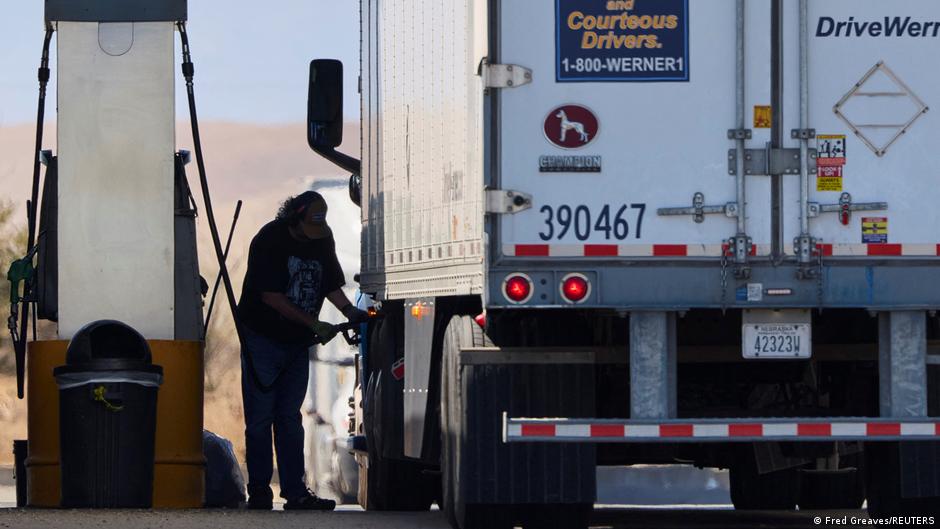
A bipartisan Senate group warns Trump’s Russian diesel deal could fund Moscow’s war while offering little relief to U.S. fuel consumers.

A bipartisan Senate group warns Trump’s Russian diesel deal could fund Moscow’s war while offering little relief to U.S. fuel consumers.

Reported U.S. pressure on Ukraine over refinery strikes raises questions for energy markets, payments compliance, crypto risk and tech stocks.

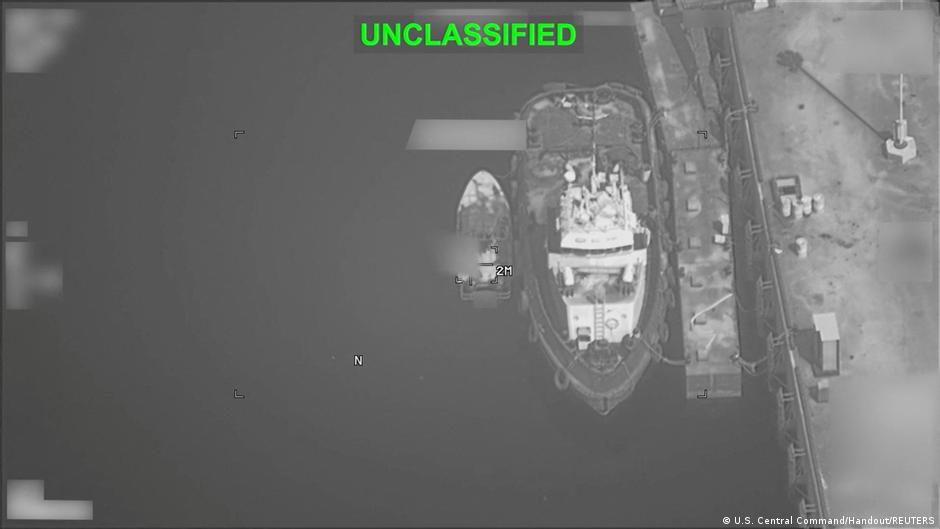
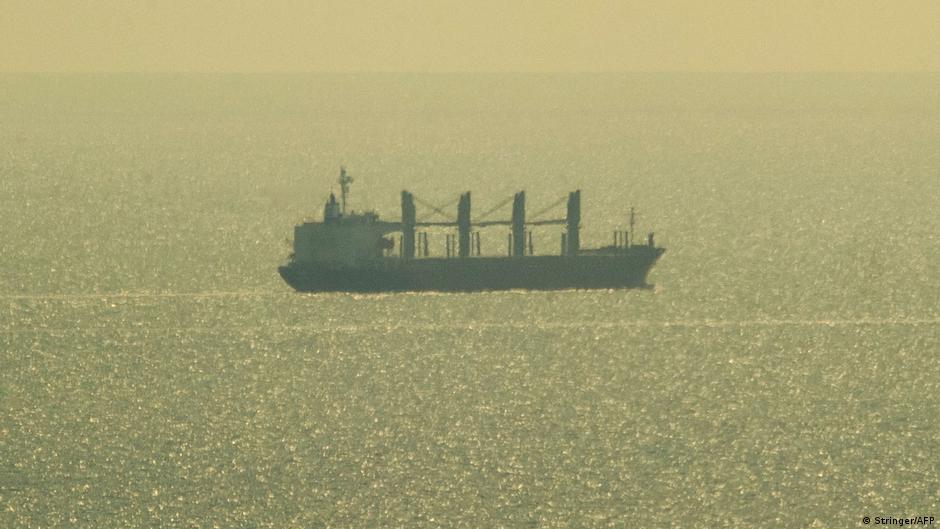
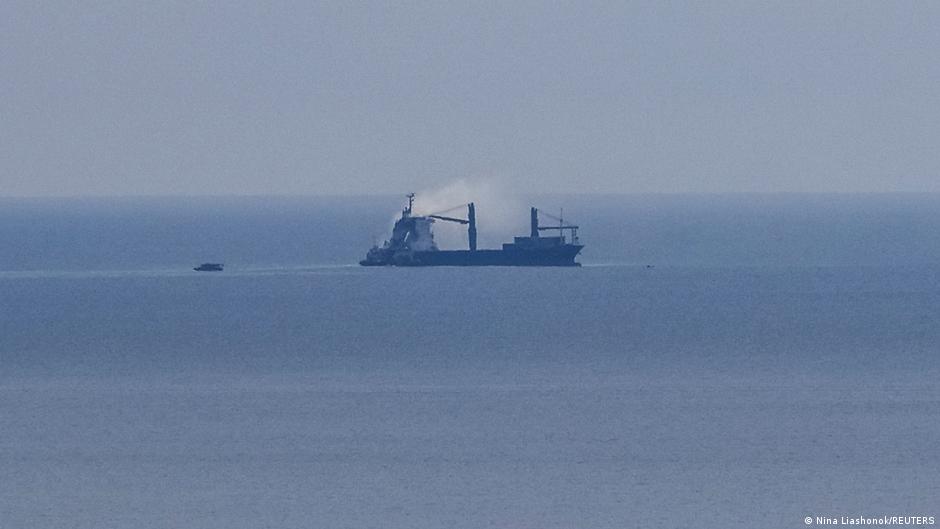
A U.S. strike disabled a Panama-flagged cargo vessel near Iran, adding pressure to energy markets, trade finance and digital risk systems.

A bipartisan House bill would seek to ban Russian oil purchases, raising compliance questions for payments, banking and digital finance firms.

Zelenskyy criticized a U.S.-Russia diesel supply deal, warning that sanctions relief could fund war and raise risks for markets and payments.

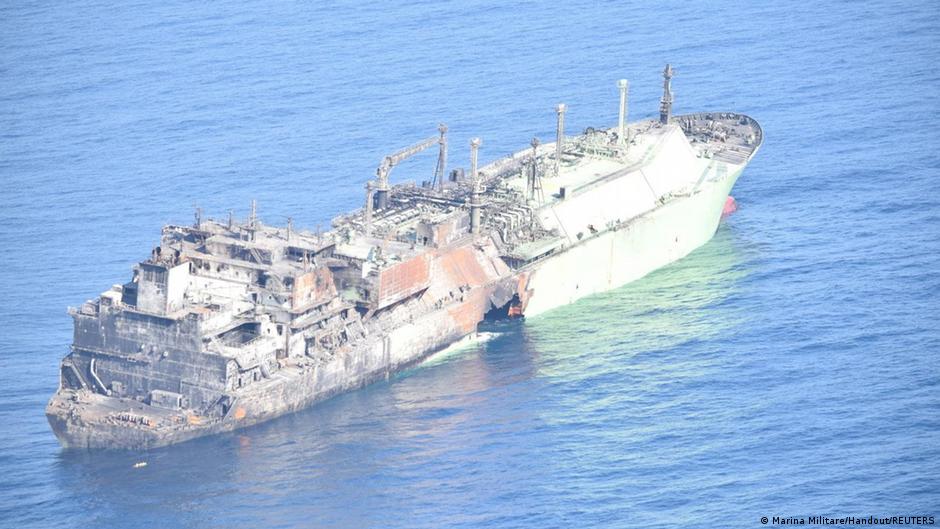
A tanker fire off Sochi raises new compliance and market-risk questions around Black Sea oil flows, sanctions screening and shadow-fleet exposure.

Yemen’s new offensive near Mocha raises risks for Red Sea shipping, energy markets, payments and digital finance across the region.

Ukraine says North Korea may send 10,000 more troops to Russia, raising sanctions, payments, crypto and cybersecurity concerns.

Trump expects new Iran talks as the Hormuz standoff raises risks for energy markets, fintech compliance, crypto volatility and tech stocks.

Yemen’s mobilization call adds pressure to Red Sea trade routes, energy costs and market risk as Houthi forces advance near Bab el-Mandeb.

Russia’s flag registry grew 36% as sanctioned shadow-fleet vessels moved under pressure from open registries and compliance regimes.

U.S.-Iran talks at the UN raised market focus on Hormuz shipping, sanctions, frozen assets, cybersecurity risk and fintech exposure.

Saudi Arabia said it intercepted a Houthi missile aimed at Riyadh, adding pressure to oil routes, payments, crypto markets and tech stocks.

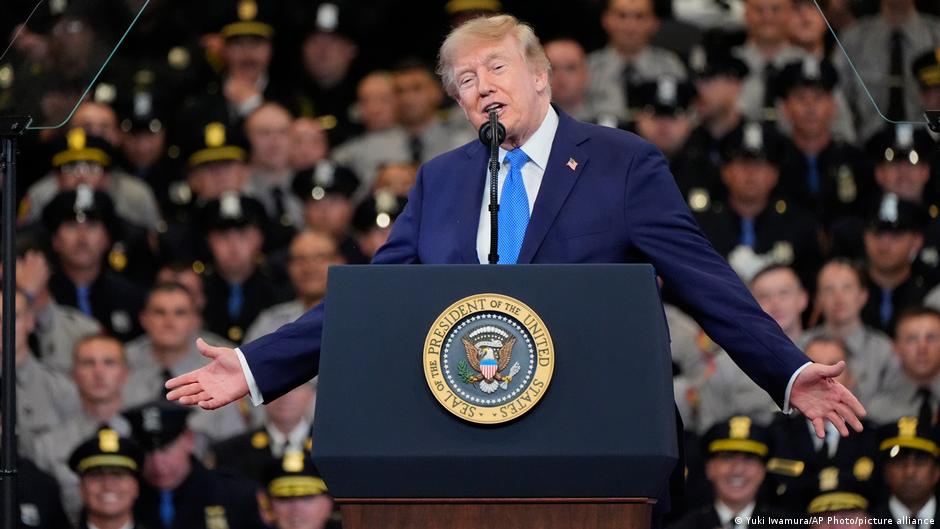
Trump signed the Graham sanctions bill, giving the White House broad powers over Russian energy tariffs, banks and sanctions evasion networks.

Trump says the U.S. has secured broad Greenland security rights, but Denmark and Greenland describe the deal as still expected.

Friedrich Merz says unconditional transatlantic friendship may be over, with implications for Germany’s economy, security and digital sectors.

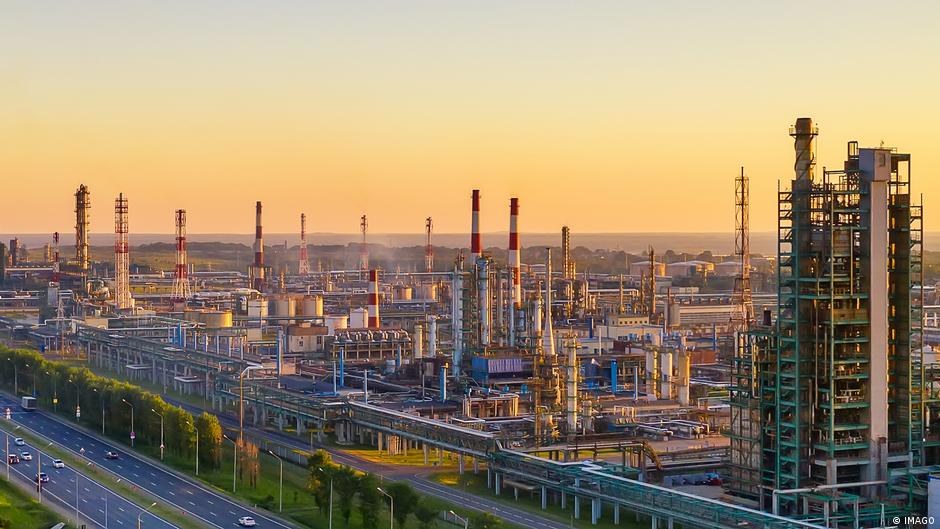
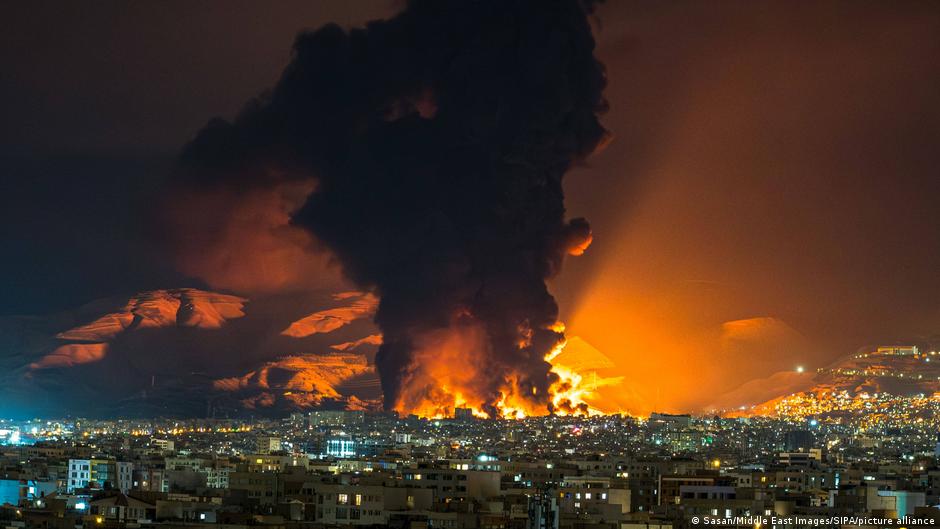
Drone damage has halted a major Yaroslavl refinery, deepening Russia’s fuel strain and raising risks for payments, logistics and digital services.

The House advanced a Graham-linked sanctions bill that could reshape energy trade, payment compliance, crypto monitoring and fintech risk.

Trump said the U.S. will abolish a 10 percent tariff on Irish whiskey, a move with implications for trade payments and compliance systems.

A Saudi pipeline halt could cut global oil supply by 4%, raising volatility risks for fintech, crypto, digital banking and tech stocks.

Russian strikes damaged logistics, warehouses, housing and energy infrastructure in Odesa, Kyiv region and Mykolaiv, injuring two people.

Russia is expected at the G20 energy meeting in Houston as energy security risks ripple through payments, banking, crypto and tech markets.

Houthi control near Bab el-Mandeb could disrupt oil flows and ripple through payments, crypto, digital banking and tech stocks.

Zelensky says he expects a US delegation meeting by late September focused on energy and food security amid attacks on infrastructure.

Russian strikes killed civilians in Sumy and Mykolaiv and damaged port, warehouse, postal and residential infrastructure.

A drone attack on Novorossiysk reportedly caused fires at a fuel oil terminal and residential building, renewing focus on trade and payment risks.

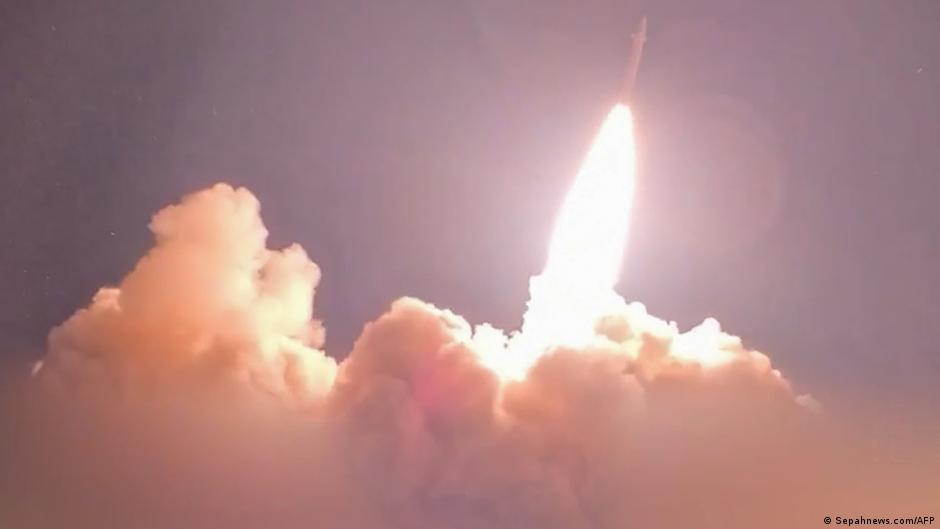
CENTCOM said five Iranian oil tankers were destroyed after missile attacks on a U.S. Navy ship, raising Gulf energy and finance risks.

Latvia says a Leipzig sabotage suspect lived in Russia, as the case raises wider concerns over logistics security, sanctions enforcement and trade-related risk.

Putin said peace through diplomacy is possible, while Zelensky said U.S. envoys will visit Kyiv and Moscow to discuss a possible agreement.

Norway’s seizure of a Russian research vessel in a Naftogaz claim highlights rising legal and compliance risk across shipping, payments and digital finance.

Russia says it will shut Goethe-Institut branches after Berlin tightened sanctions and moved against the Russian House, raising wider compliance signals.

NATO affirms readiness to counter potential Iranian strikes on European military sites, highlighting cybersecurity and fintech risks amid rising geopolitical tensions.

President Trump announced sweeping economic sanctions against Iran, threatening countries that do business with Tehran, impacting global trade, fintech, and digital payments.

US-Iran conflict over the Strait of Hormuz threatens oil trade routes and digital payment systems, with Oman caught in diplomatic crossfire amid escalating military tensions.

President Trump plans to declare the Strait of Hormuz U.S. territory, affecting global energy security and digital financial markets amid ongoing U.S.-Iran tensions.

Ukraine sanctions 13 ships and 28 companies over illegal grain exports from Russian-occupied territories, highlighting fintech's role in trade enforcement.

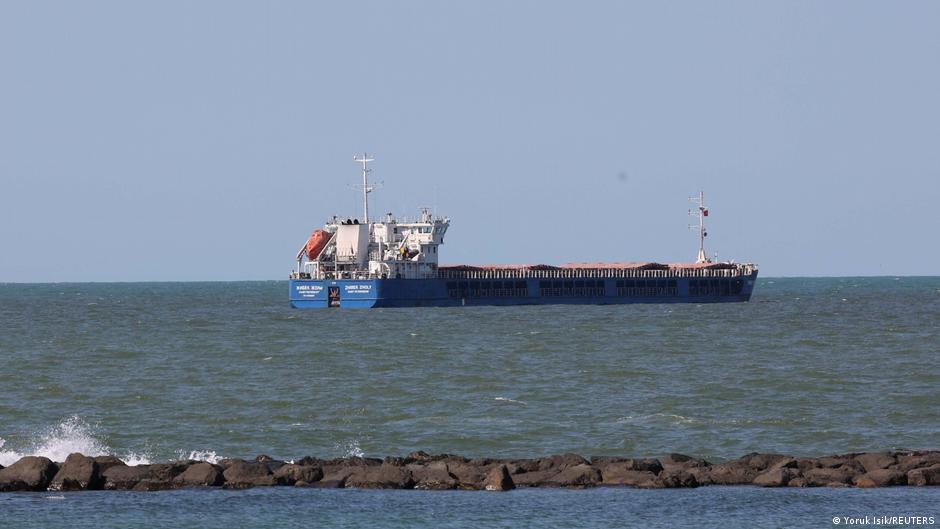
US forces disabled a cargo ship's steering attempting to breach Iran's blockade in the Strait of Hormuz, underscoring US control and geopolitical risks impacting global fintech and trade.

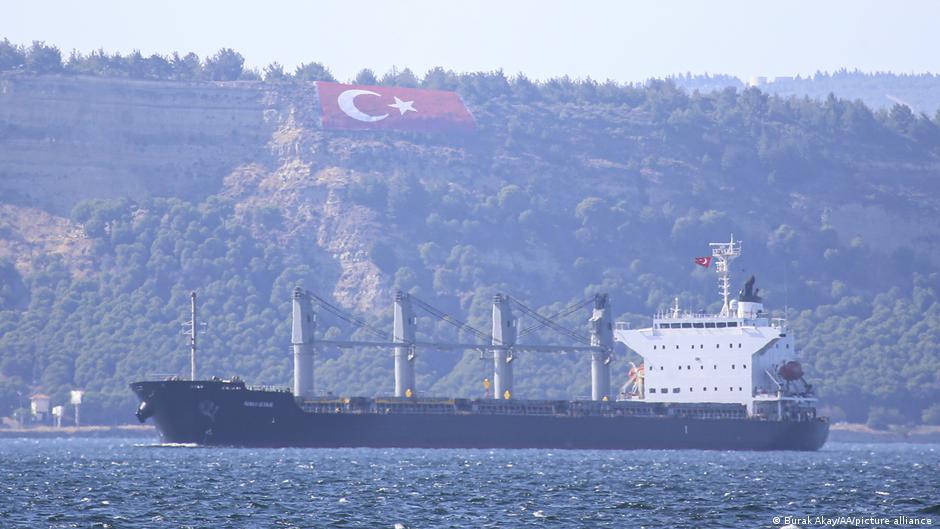
Turkey resumed commercial ship transit through the Dardanelles after restrictions linked to Black Sea conflicts disrupted key maritime trade routes impacting regional and global commerce.

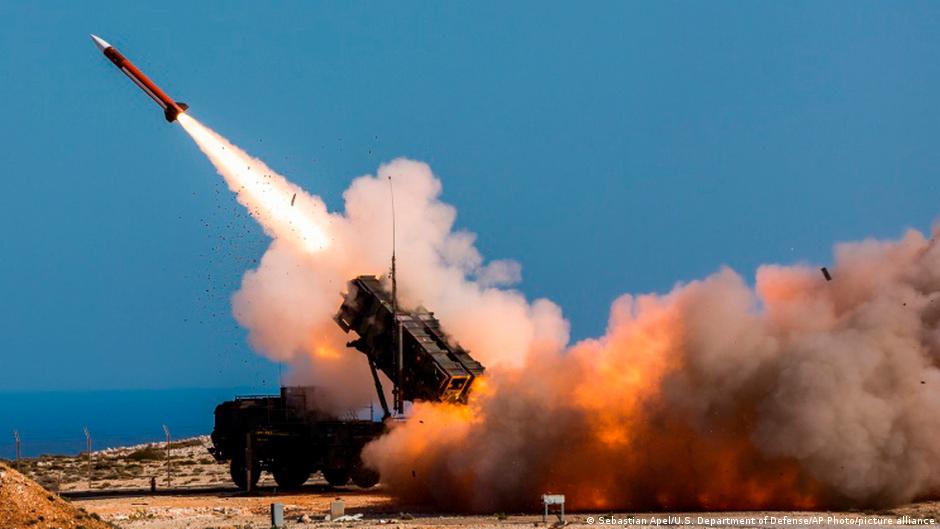
US forces intercepted Iranian ballistic missiles targeting American troops in the Middle East, underscoring risks to regional security and fintech sectors amid rising tensions.

Ukraine calls for an emergency UN Security Council session after Russia attacks commercial ships in the Black Sea, threatening global food security and maritime trade.

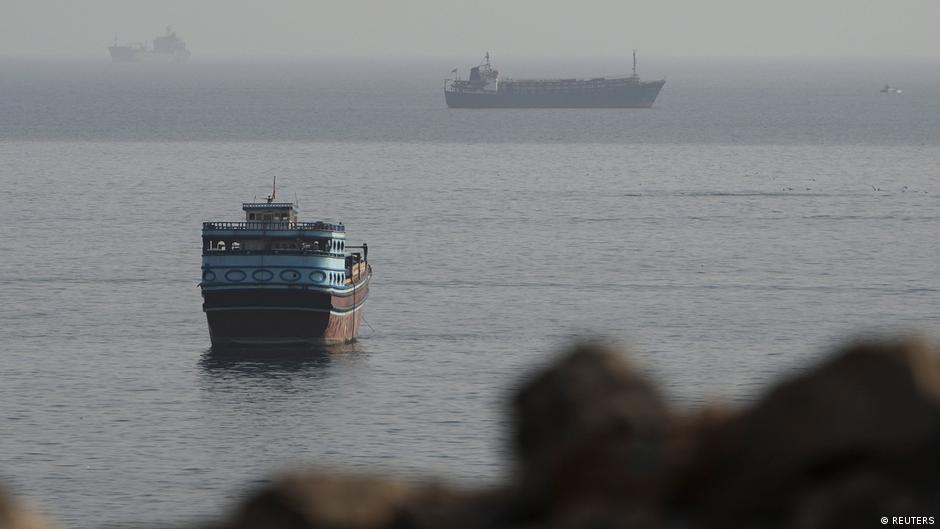
Iran’s Revolutionary Guard mined and attacked an oil tanker in the Strait of Hormuz, impacting global energy trade and digital financial networks connected to maritime oil shipments.

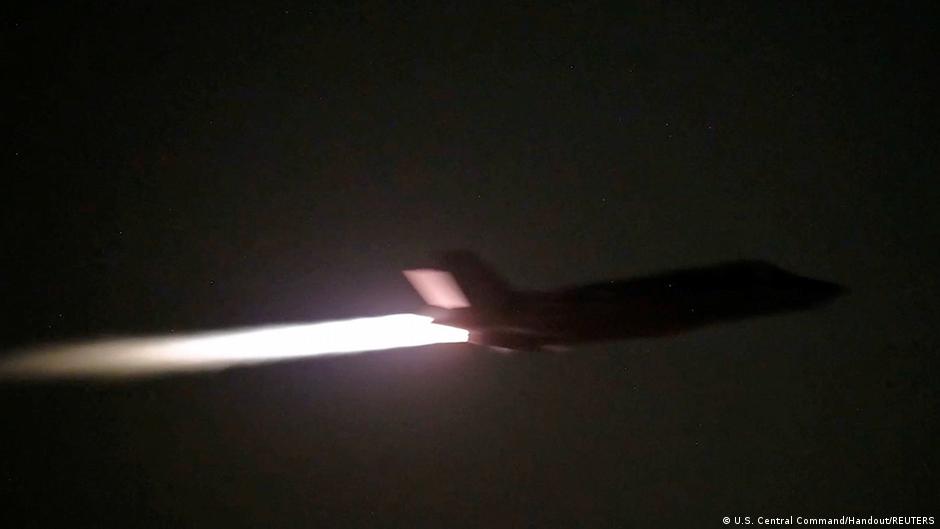
US forces continue 11th night of strikes on Iran, targeting military assets in a bid to secure Strait of Hormuz shipping lanes amid rising regional tensions.

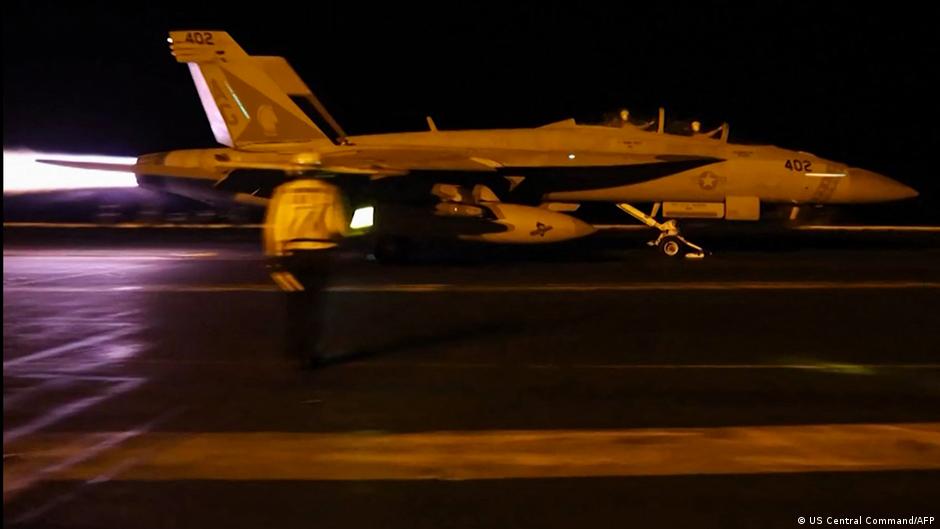
US military strikes on Iran enter tenth day, targeting missile sites and air defenses, escalating regional tensions with implications for global trade, fintech, and cybersecurity.

US military deaths in the Iran conflict have reached 17, intensifying geopolitical risks that impact fintech, digital payments, crypto markets, and cybersecurity worldwide.

US strikes on Iran continue for the ninth night, disrupting Gulf trade routes and impacting energy supply chains, with significant implications for fintech and cybersecurity sectors.

US military strikes on Iran escalate tensions, impacting maritime security, digital payments, and fintech sectors amid enforced maritime blockades and retaliatory attacks.

US military strikes near the Strait of Hormuz aim to prevent Iranian attacks on commercial shipping, affecting global oil trade and digital economy security.

US military strikes on Iran escalate tensions, closing the Strait of Hormuz and disrupting global oil flows with significant implications for fintech, digital payments, and cybersecurity.

Russia has closed the Azov-Don Canal after Ukrainian drone strikes on vessels, disrupting grain exports and raising concerns for fintech and digital trade sectors.

US military strikes on Iran target maritime infrastructure in the Strait of Hormuz, raising risks for global trade, energy markets, and fintech payment ecosystems amid escalating tensions.