US Plans to Declare Strait of Hormuz American Territory Amid Geopolitical Tensions
President Trump signals indefinite military presence in Strait of Hormuz, affecting global energy security and digital economy sectors.
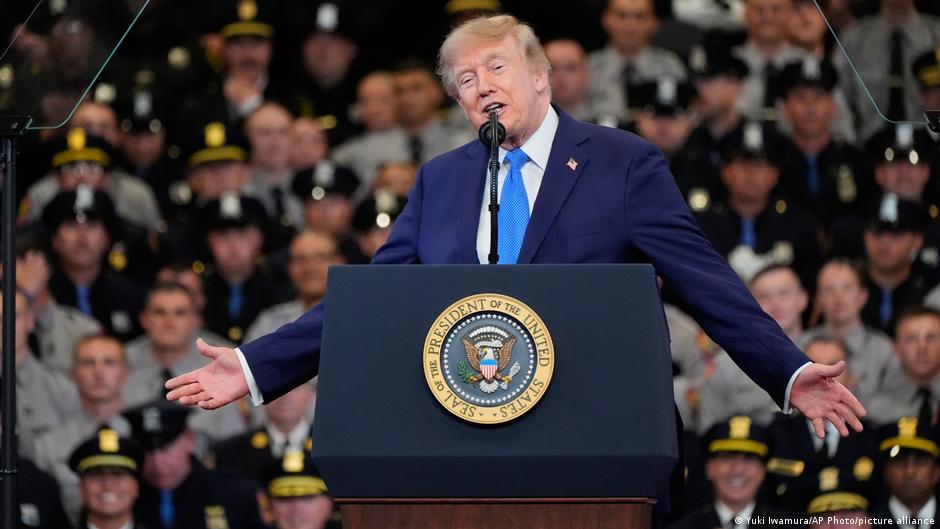
President Donald Trump announced plans to declare the Strait of Hormuz as American territory, signaling a potential indefinite U.S. military presence in this strategic waterway. The move comes amid ongoing tensions and clashes with Iran, impacting global energy supplies and raising concerns over cybersecurity and digital financial stability.
Strategic and Economic Implications for Fintech and Digital Markets
Speaking at a police academy in New York on August 15, President Trump stated that the U.S. military currently controls the Strait of Hormuz, a critical chokepoint through which a significant portion of the world's oil passes. He emphasized that this control could effectively become permanent following a decisive victory over Iran. However, the administration has not clarified the legal framework or international status for such a declaration.
The Strait of Hormuz is vital for global energy transportation, and its blockade has already contributed to dwindling global oil reserves. This disruption has ripple effects across financial markets, notably increasing volatility in commodities and impacting tech stocks tied to energy sectors. Furthermore, the instability threatens to undermine trust in digital payment platforms and crypto markets sensitive to geopolitical risk.
Iran disputes U.S. claims of control, asserting that it maintains influence over the waterway and has imposed its own restrictions on shipping routes since the onset of hostilities involving the U.S. and Israel earlier this year. Iranian Deputy Foreign Minister Qasem Garibabadi condemned Trump’s statement as intimidation, underscoring Tehran’s resistance to U.S. pressure and military threats.
"The Islamic Republic will not yield to threats or displays of force from the United States," said Garibabadi.
Trump’s statement also follows his previous ambitions to bring territories like Greenland, the Panama Canal zone, and Venezuela under U.S. control, illustrating a broader strategy to secure key global assets.
On the digital economy front, the protracted conflict around the Strait of Hormuz complicates cybersecurity for global financial infrastructure. With increased military presence, cyberattacks targeting payment systems, banking networks, and cryptocurrency exchanges could escalate, as adversaries exploit geopolitical vulnerabilities.
In addition, sanctions and economic pressure on Iran have already affected cross-border digital payments and fintech services, as sanctions compliance measures tighten. The ongoing dispute may accelerate the development of alternative payment networks that bypass traditional systems vulnerable to geopolitical risk.
Experts suggest that the economic pressure strategy may yield more results than military actions, with Trump indicating a preference for leveraging sanctions to force Iranian concessions rather than escalating armed conflict. However, the indefinite stationing of troops to assert control over the Strait inherently increases regional risk and unpredictability in global markets.
As the U.S. moves to assert sovereignty over the Strait of Hormuz, fintech companies, digital banks, and crypto platforms must brace for heightened regulatory scrutiny, potential cybersecurity threats, and increased market volatility tied to energy supply concerns and geopolitical tensions.