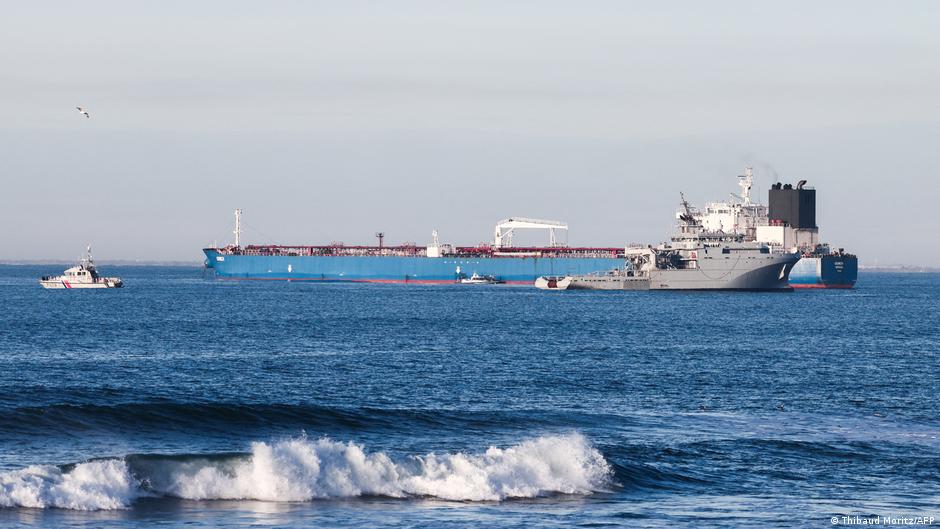
U.S. Says Five Iranian Oil Tankers Destroyed After Missile Attacks
CENTCOM said the strikes followed two ballistic missile attacks on a U.S. Navy ship, adding pressure to energy markets and regional risk pricing.
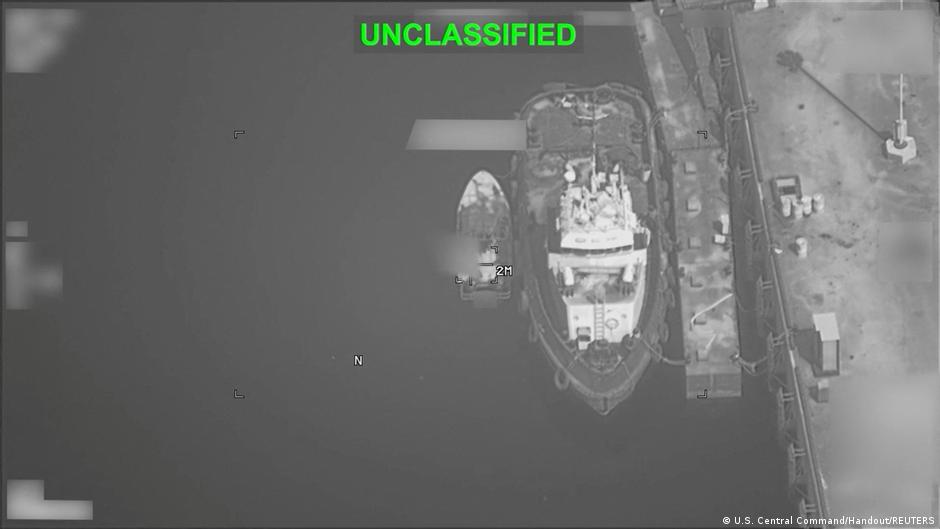
U.S. Central Command said it destroyed five Iranian oil tankers on Tuesday, September 8, after the Islamic Revolutionary Guard Corps twice attacked a U.S. Navy ship with ballistic missiles over the previous two days, escalating a conflict centered on the Strait of Hormuz and the financial networks tied to Iran’s oil trade.
According to CENTCOM, the U.S. Navy vessel successfully avoided the attempted Iranian attacks and continued patrols in regional waters. The command said no U.S. personnel were injured.
The destroyed vessels were identified by CENTCOM as the IRGC oil tankers M/T Kaviz, M/T Charminar, M/T Horizon 1 and M/T Riesco in the Gulf of Oman, as well as the M/T Derya near Kharg Island in the Persian Gulf. U.S. forces instructed the crews to leave the ships before they were struck and disabled, CENTCOM said.
CENTCOM said Iran used the tankers as part of a multibillion-dollar “shadow” network financing the IRGC and its regional proxies.
The command also said Tehran lacked the means to protect those vessels. The claim points to a widening U.S. effort to pressure not only Iranian military assets but also the maritime and financial infrastructure that Washington says supports the IRGC. For markets, that places renewed attention on the payment channels, shipping insurers, energy traders and compliance systems exposed to Gulf oil flows.
Energy Security Meets Financial Infrastructure
The Strait of Hormuz, a key route for global oil supplies, remains one of the central disputes in the war involving the United States and Israel against Iran. Before hostilities began in late February, the strait was open to shipping. Today, both Iranian and U.S. armed forces claim control over it.
For the digital economy, the immediate impact is less about a single tanker strike and more about risk transmission. Oil market stress can feed into inflation expectations, freight pricing and foreign exchange volatility. That, in turn, affects digital banks, payment processors, remittance platforms and fintech lenders that rely on stable transaction volumes, predictable funding costs and low-friction cross-border settlement.
Any disruption around Hormuz also raises the stakes for sanctions screening and anti-money-laundering controls. CENTCOM’s description of a multibillion-dollar shadow network financing the IRGC places tanker ownership, cargo documentation, maritime routing, beneficial ownership data and payments messaging under sharper scrutiny. Banks and fintechs processing trade finance, treasury flows or shipping-linked payments may face heavier monitoring burdens if sanctions enforcement tightens further.
Crypto markets may also react to the same pattern of geopolitical stress. In previous episodes of regional escalation, digital assets have been pulled between competing narratives: risk-off selling when investors reduce exposure, and demand for alternative settlement rails when conventional banking and sanctions channels become more restrictive. The source article does not report any crypto-specific action, but the broader sanctions and shadow-finance context is directly relevant to exchanges, stablecoin issuers and blockchain analytics firms monitoring illicit finance risks.
Escalation After a Short Lull
The latest strikes followed an earlier action on September 5, when CENTCOM forces destroyed three Iranian oil tankers after the IRGC attempted to attack a U.S. aircraft carrier and a missile destroyer.
Before that, U.S. forces had not struck Iran since late July. President Donald Trump explained the pause by citing a desire to continue negotiations with Tehran over the future of the Strait of Hormuz, as well as sanctions and Iran’s nuclear program.
The first U.S. strike after the month-long lull came on August 30, when U.S. forces hit two Iranian missile launchers on Larak Island in the Strait of Hormuz. Tehran then said it carried out retaliatory attacks against U.S. targets in the United Arab Emirates. According to the source, dozens of drones attacked “American helicopters and personnel at Al Minhad base” in the UAE.
The sequence underscores how quickly negotiations over maritime control, sanctions and nuclear policy can spill into military action. For technology and financial markets, that matters because modern conflict increasingly targets the connective tissue of commerce: energy corridors, payment systems, logistics data, insurance capacity and compliance infrastructure.
Tech stocks with exposure to cybersecurity, defense software, satellite monitoring, financial crime compliance and energy analytics may draw investor attention as the Gulf crisis deepens. At the same time, broader growth stocks can remain vulnerable if oil-related inflation concerns push yields higher or reduce expectations for monetary easing.
Cybersecurity risk is another financial-market concern. The article does not report cyberattacks, but military escalation involving Iran has historically heightened concern among companies operating critical infrastructure, banks, cloud services and payment systems. In such an environment, financial institutions tend to reassess incident-response readiness, vendor exposure and operational resilience across digital channels.
For now, CENTCOM’s statement frames the tanker strikes as a response to ballistic missile attacks and as an action against vessels allegedly tied to IRGC financing. The broader market question is whether the confrontation remains contained to military and maritime targets or expands into sanctions enforcement, payment restrictions, cyber operations and wider disruption around one of the world’s most important oil chokepoints.