Novorossiysk Drone Attack Puts Russia’s Trade Infrastructure Back in Focus
A reported fire at a fuel oil terminal and damage near housing renewed market attention on port logistics, commodity flows and operational risk.
A drone attack on Novorossiysk overnight into Wednesday, September 9, triggered a large fire in the Russian Black Sea port city, according to local officials and Russian-language reporting that cited open-source analysis. For markets and digital-economy operators, the incident is another reminder that physical infrastructure shocks can quickly become payment, logistics, cybersecurity and commodity-pricing events.
Novorossiysk Mayor Andrei Kravchenko said on Telegram that the city had been attacked using unmanned aerial vehicles. According to him, drone debris was known to have fallen on the grounds of enterprises and near a residential building. Preliminary information indicated there were no casualties, while emergency services were working to deal with the aftermath.
OSINT analysis cited by ASTRA said that after the strikes, a fuel oil terminal was burning. ASTRA also reported a fire in a residential apartment building on Volgogradskaya Street, while an eyewitness filmed another blaze in the city. The source article described the fuel oil terminal as one of the leading enterprises in the Novorossiysk transport hub, which forms part of Russia’s largest port.
Preliminary information indicated there were no casualties, and emergency services were working to eliminate the consequences of the attack.
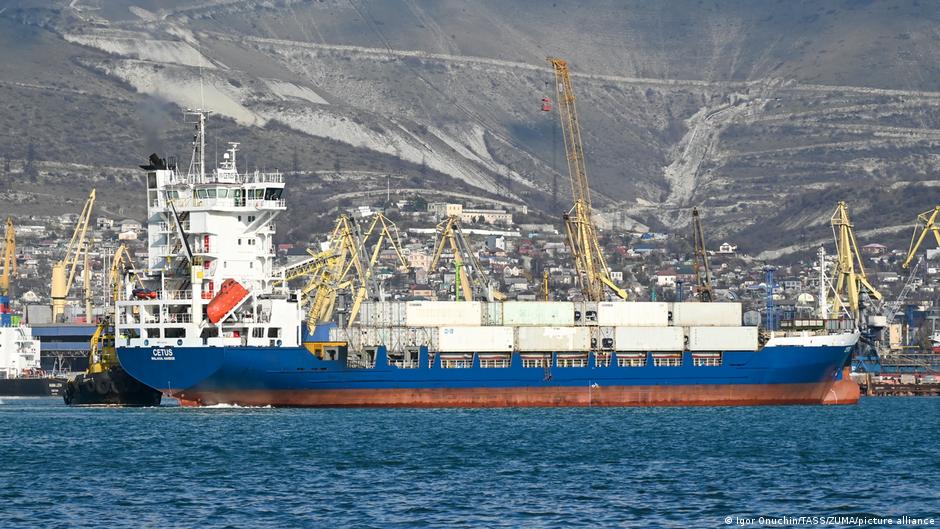
The operational significance of Novorossiysk is difficult to separate from the financial plumbing that supports Russian external trade. The city is described as one of the largest ports in Europe and a key hub for Russia’s foreign commerce. Oil, metals and container cargo move through the port to global markets. The source article also said that up to a third of all Russian grain exports pass through Novorossiysk, reflecting the port’s proximity to major agricultural regions.
Commodity Flows Meet Financial Infrastructure
The immediate reports concern fires, emergency response and possible damage to industrial and residential sites. But for financial markets, port disruptions tend to cascade through a broader chain: cargo scheduling, insurance, commodity pricing, trade finance, foreign-exchange settlement, sanctions compliance and counterparty-risk checks. When a key export hub faces repeated strikes, payment systems and digital banking platforms linked to trade flows can experience higher scrutiny, slower processing and more manual review.
The source article noted that in August, an intensification of strikes on Novorossiysk caused noticeable disruptions in oil and grain shipments. That earlier disruption matters for investors because repeated interruptions can change how market participants price operational risk. Even where cargo continues moving, counterparties may reassess timing, documentation and exposure to transport nodes viewed as vulnerable.
For fintech companies involved in cross-border trade, the issue is not simply whether one terminal is operating. Trade-linked platforms often depend on predictable documentation flows, automated compliance triggers and bank connectivity across multiple jurisdictions. A fire at a fuel oil terminal in a major port can prompt fresh checks on vessel data, bills of lading, cargo origin, insurance terms and payment instructions. That can slow digital workflows even before any formal change in regulation or sanctions policy.
Digital banks and payment processors serving importers, exporters, freight forwarders or commodity merchants may also face higher alert volumes when port disruptions intersect with Russian trade. In practice, that can mean enhanced due diligence on transactions connected to commodities, transport intermediaries and maritime services. The incident therefore has relevance beyond energy and agriculture desks: it touches the operational backbone of financial platforms that move money around physical trade.
Cybersecurity and Tech-Stock Sensitivity
Drone attacks on transport and energy infrastructure also raise the cybersecurity bar for companies operating in adjacent sectors. The source article does not report a cyber component to the Novorossiysk attack. Still, physical incidents at strategic infrastructure often lead banks, exchanges, logistics technology vendors and payment networks to review continuity planning, vendor access and incident-response readiness. For listed technology companies serving energy, shipping, cybersecurity or compliance functions, that renewed attention can influence investor narratives.
Tech stocks tied to cybersecurity, maritime visibility, sanctions-screening software and supply-chain analytics may be watched more closely when disruptions hit major ports. The logic is straightforward: as physical risk rises, demand can increase for tools that verify counterparties, monitor cargo movements, flag suspicious payments and harden operational systems. At the same time, firms with direct exposure to affected trade routes may face questions about resilience, customer concentration and revenue timing.
Crypto markets are another indirect channel. The source article makes no claim about cryptocurrency use in connection with the attack. However, periods of stress around cross-border payments and sanctioned trade corridors often bring renewed attention to digital-asset monitoring and blockchain analytics. Compliance teams at exchanges and fintech firms may be more cautious around flows that could be linked to commodity payments, maritime services or intermediaries operating near high-risk regions.
For FinPulse readers, the central point is that Novorossiysk is not only a port story. It is a case study in how kinetic events can test the increasingly digital systems that support real-world commerce. A strike that produces fires at or near industrial infrastructure can affect shipping confidence, trade documentation, compliance screening and payment timing. Those effects may be less visible than flames at a terminal, but they are highly relevant to banks, fintech platforms and technology investors.
As of the reported preliminary information, no casualties had been identified, and emergency services were responding. The reported fire at a fuel oil terminal, the blaze at a residential apartment building on Volgogradskaya Street and earlier disruptions to oil and grain shipments together underline why Novorossiysk remains a focal point for markets watching Russia’s external trade routes. The city’s role in moving grain, oil, metals and container cargo means that any repeated disruption can reverberate across both commodity markets and the financial infrastructure that settles them.