Russian Strikes Hit Sumy Mall Parking Lot and Mykolaiv Port Infrastructure
Attacks reported on September 9 killed civilians in Sumy and Mykolaiv and damaged port, warehouse, postal and residential infrastructure.
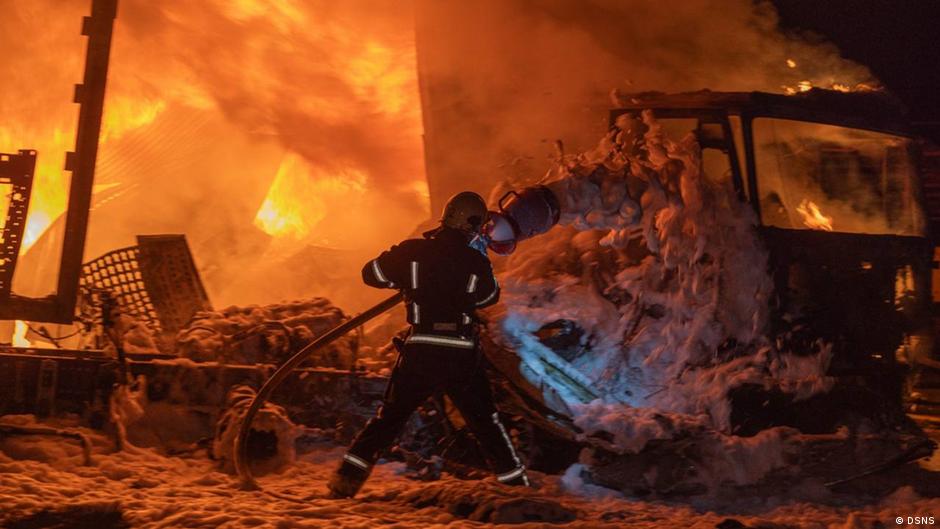
Russian forces struck civilian and logistics sites in the Ukrainian cities of Sumy and Mykolaiv on Wednesday, September 9, killing civilians, injuring others and damaging infrastructure that underpins local commerce and daily services.
In Sumy, a Russian strike hit a parking area near the Manufaktura shopping center on Wednesday evening. According to Oleg Grigorov, head of the regional military administration, two young people were killed: a 21-year-old man and a 21-year-old woman. Preliminary information indicated that around 20 other people were injured.
Regional officials said two men and one woman were in serious condition, while another Sumy resident was in extremely serious condition. Teenagers were among the injured. Rescue workers and municipal services were operating at the scene after the attack, while the Sumy regional military administration said the threat of repeated strikes in the region remained.
Regional authorities said the threat of further attacks in Sumy region remained after the strike near the Manufaktura shopping center.
Port and Postal Infrastructure Damaged in Mykolaiv
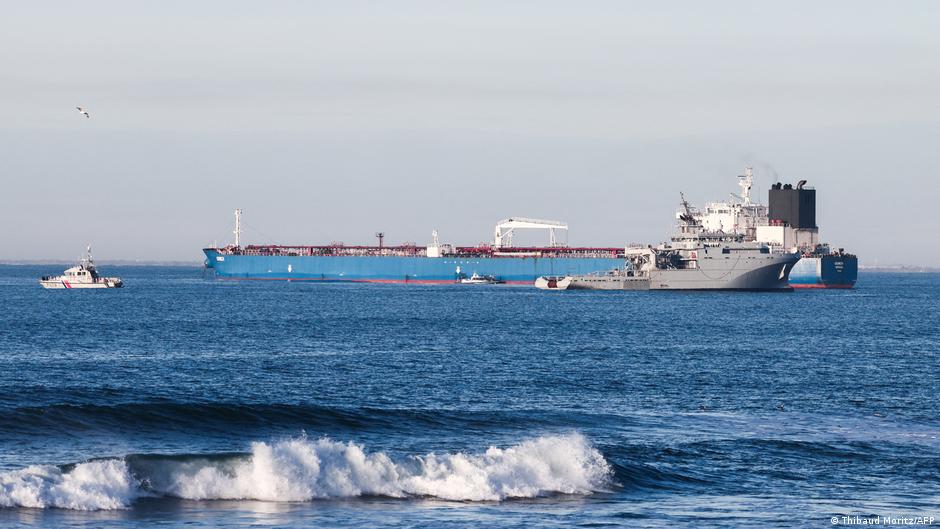
Russian forces also continued striking Mykolaiv, where attacks over the course of September 9 damaged port infrastructure. According to Georgiy Reshetilov, head of the Mykolaiv regional military administration, two people were killed and at least 12 were injured. A one-year-old child was among the wounded.
Ukraine’s State Emergency Service said some of the Russian strikes hit warehouse premises where vegetables were being stored, as well as a post office branch. The damage to storage, port and postal facilities points to the broader economic disruption caused when attacks reach beyond immediate military targets and into the systems that move goods, documents and payments through local economies.
Mykolaiv had already come under a massive Russian attack during the night of September 9. Authorities said drones and ballistic missiles damaged port and civilian infrastructure, as well as residential buildings. Officials had reported one woman killed and four people injured in that earlier wave of strikes.
Digital Economy Risks Follow Physical Infrastructure Damage
For FinPulse readers, the attacks underscore a recurring feature of wartime economic risk: digital services remain dependent on physical networks, transport links and trusted local access points. Shopping centers, postal branches, warehouses and ports are not only physical locations. They are nodes in payment flows, delivery chains, merchant operations and consumer access to essential services.
A strike on a shopping center parking area can interrupt retail activity around merchants that rely on card payments, point-of-sale terminals, delivery apps and online order fulfillment. Damage to a post office branch can disrupt document delivery, cash-related services, parcel logistics and customer access to financial correspondence. Damage to port infrastructure can affect trade flows and the commercial operations connected to shipping, warehousing and inventory financing.
The reported strike on vegetable storage facilities in Mykolaiv also illustrates how disruptions can move through the food supply chain. Warehouses support not only physical storage but also invoicing, merchant settlements, inventory management and payments between producers, distributors and retailers. When those facilities are hit, the effects can extend into digital accounting systems and banking processes even when the initial damage is physical.
The situation also raises cybersecurity and operational continuity concerns for banks, fintech firms, e-commerce platforms and logistics providers operating in or serving affected regions. Repeated attacks can force companies to shift staff, reroute transactions, rely on backup communications and maintain service during power, connectivity or mobility disruptions. The Sumy regional warning about the threat of further attacks highlights the uncertainty under which local businesses and service providers must operate.
Crypto and digital banking services can become more relevant in such conditions, particularly when conventional access points are disrupted. But they also depend on internet connectivity, device access, identity systems and cybersecurity safeguards. The attacks in Sumy and Mykolaiv show that resilience in the digital economy cannot be separated from the protection of civilian, logistics and communications infrastructure.
The reported deaths and injuries remain the central human consequence of the attacks. At the same time, the damage to port, warehouse, postal, residential and retail-adjacent infrastructure shows how strikes on Ukrainian cities continue to affect the systems that support local commerce, payments and public services.