Ukraine Imposes Sanctions on Ships and Firms Over Illegal Grain Exports from Occupied Territories
Kyiv targets 13 vessels and 28 companies to curb unauthorized grain exports amid ongoing conflict with Russia.
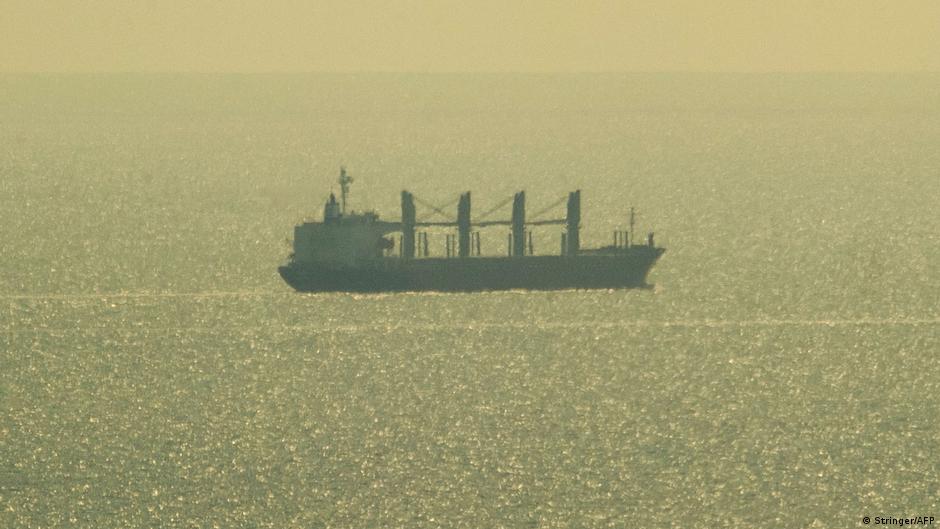
Ukraine has enacted sanctions against 13 ships and 28 companies involved in the illegal export of grain from territories occupied by Russia. This move aims to halt unauthorized grain sales abroad amid the ongoing conflict and reinforces Kyiv's efforts to assert control over its agricultural exports.
Sanctions Target Shipping and Corporate Entities
On August 14, Ukrainian President Volodymyr Zelensky signed a decree enforcing sanctions following a decision by the National Security and Defense Council. The sanctions apply to individuals, vessels, and companies implicated in the illicit removal of Ukrainian grain from occupied regions.
The targeted ships are registered under various flags, including Russia (8 vessels), Panama (3), Belize (1), and Saint Kitts and Nevis (1). Additionally, 11 Russian nationals and 28 legal entities have been sanctioned for their roles in these operations.
These sanctions reflect Kyiv’s strategic use of economic and legal tools to safeguard Ukraine’s agricultural resources and limit revenue streams potentially benefiting the occupying forces. By disrupting these supply chains, Ukraine hopes to tighten control over export flows and strengthen its negotiating position in international markets.
"Illegal export of Ukrainian grain from temporarily occupied territories must have consequences for all involved—from companies and owners to captains and vessels," said Vladyslav Vlasiuk, Ukraine’s presidential envoy on sanctions policy.
Ukraine has committed to sharing all necessary information with allied nations to synchronize sanctions across international jurisdictions, aiming for a coordinated global response that amplifies the impact of these measures.
Broader Implications for Digital Trade and Economic Security
This development underscores the increasingly critical role of sanctions in the digital economy, particularly in sectors like agritech and fintech involved in trade financing and commodity payments. Monitoring and enforcing sanctions requires sophisticated digital tracking of shipments, ownership data, and financial transactions.
Financial technology firms and digital banks engaged in processing cross-border payments must enhance compliance mechanisms to avoid facilitating illicit trade. Moreover, blockchain and cybersecurity tools may be leveraged to improve transparency and traceability in commodity supply chains, helping to prevent fraud and sanction breaches.
Investors in tech stocks related to shipping logistics, fintech compliance software, and agritech solutions should note these geopolitical risks and the rising importance of digital infrastructure in sanction enforcement.
Notably, Ukraine previously imposed sanctions in November 2022 against 56 vessels accused of illegally entering occupied ports and exporting wheat, sunflower seeds, and other food products since Russia’s full-scale invasion. This ongoing pattern highlights how geopolitical conflicts increasingly intersect with fintech, digital trade platforms, and cybersecurity efforts to secure economic assets.
As Ukraine continues to enforce these measures, the integration of sanctions policy with digital monitoring and fintech compliance will be critical in combating illicit trade and protecting the country’s economic interests.