US-Iran Tensions Risk Disrupting Strait of Hormuz Trade Flows and Digital Payment Channels
Escalating conflict in the Strait of Hormuz threatens global oil supply routes and poses risks to fintech and digital economy sectors reliant on secure trade corridors.
The intensifying conflict between the United States and Iran, centered around the strategic Strait of Hormuz, poses significant risks not only to global energy markets but also to the stability of financial technologies dependent on uninterrupted trade flows and secure payment infrastructures.
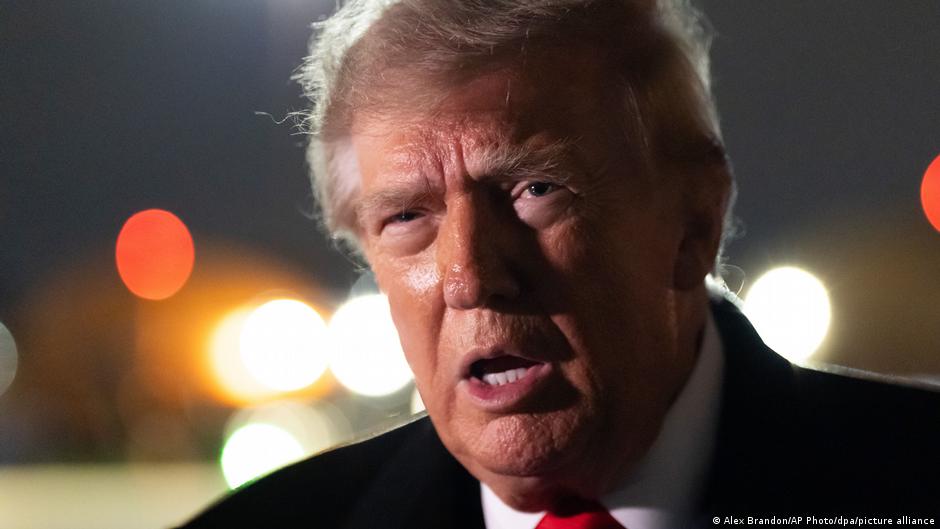
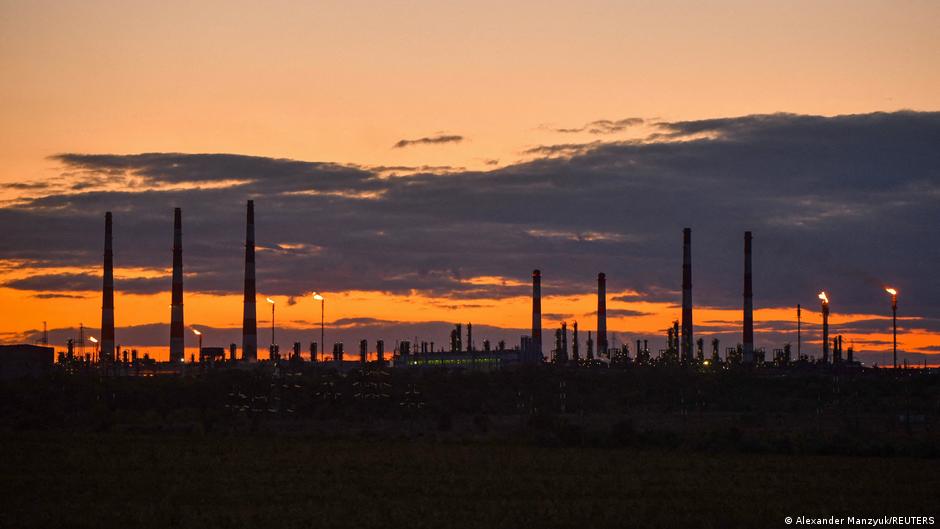
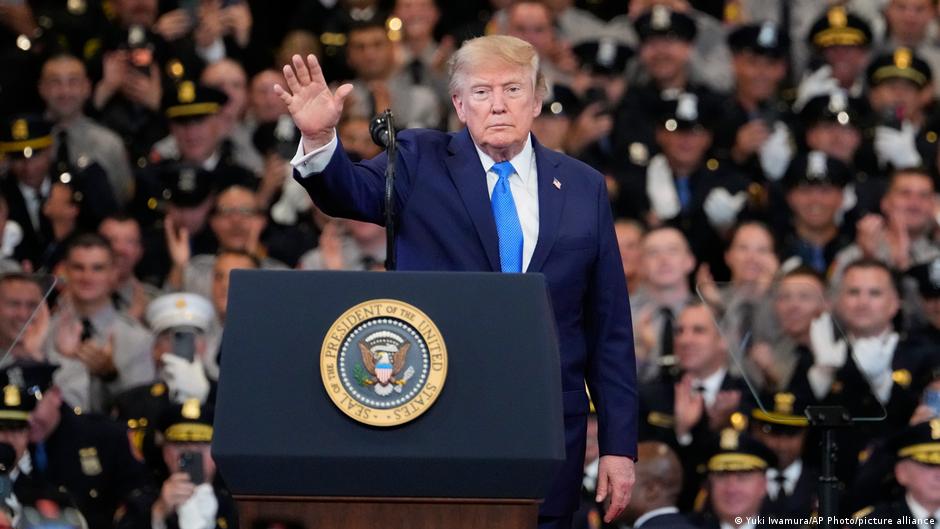
On August 17, US President Donald Trump issued a stark warning to Oman, a key regional actor engaged in negotiations with Iran over joint control of shipping through the critical waterway. In an interview with Fox News, Trump threatened to use "bombing campaigns to shake out the nonsense" if Oman interferes with US-Iran talks on the strait. This direct threat underscores the heightened geopolitical stakes surrounding the Strait of Hormuz, through which nearly 20% of the world's oil supply is transported.
Implications for Fintech, Digital Payments, and Energy Security
The Strait of Hormuz is a vital artery for global commerce, particularly for the energy sector. Disruptions in shipping routes can trigger volatility in oil prices, which subsequently ripple through financial markets and digital payment systems worldwide. As fintech companies increasingly facilitate cross-border payments and crypto transactions tied to commodity trading, geopolitical instability threatens to undermine transactional security and liquidity in these digital ecosystems.
Oman's ongoing negotiations with Iran reflect attempts to stabilize control over the strait, but as of now, consensus remains elusive. The failure to reach a diplomatic agreement coincides with the expiration of a 60-day US-Iran negotiation window established by a June memorandum of understanding signed by Trump at the G7 summit. The memorandum aimed to address sanctions, Iran's nuclear program, and other security concerns but did not yield a definitive resolution.
"If Iran won't raise the white flag and surrender, the window for dialogue is closed," Trump stated, signaling a hardening US stance that could escalate military actions.
Indeed, before the negotiation period ended, hostilities had already resumed. Iran launched attacks on vessels transiting the Strait of Hormuz, while the US conducted a series of airstrikes targeting Iranian infrastructure purportedly linked to threats against commercial shipping. Iran responded with missile strikes against neighboring countries' territories, claiming targeting of US military bases.
These developments have direct consequences for the digital economy. Heightened military tensions increase cybersecurity risks, including potential disruptions to maritime communication networks and digital transaction platforms that rely on regional stability. Financial technology firms and crypto exchanges processing payments connected to oil and gas trade must prepare for heightened operational risks amid the uncertainty.
Meanwhile, diplomatic efforts continue. On August 17, Turkish President Recep Tayyip Erdoğan engaged in a phone call with Trump, advocating for renewed negotiations with Iran to de-escalate tensions. Erdoğan also proposed Ankara as a mediator in the dispute, highlighting Turkey's strategic interest in maintaining regional stability. Discussions during the call also covered broader regional security issues, including the Gaza conflict and a defense pact between Turkey, Saudi Arabia, and Pakistan.
The evolving situation in the Strait of Hormuz remains a critical flashpoint with far-reaching implications for global trade, energy security, and the digital economy's resilience. Market participants in fintech and digital banking sectors should monitor developments closely to mitigate risks linked to supply chain disruptions and geopolitical volatility.