Trump Launches Major Economic War Against Iran Impacting Global Trade and Finance
US President Donald Trump announces unprecedented economic sanctions targeting Iran and warns countries doing business with Tehran.
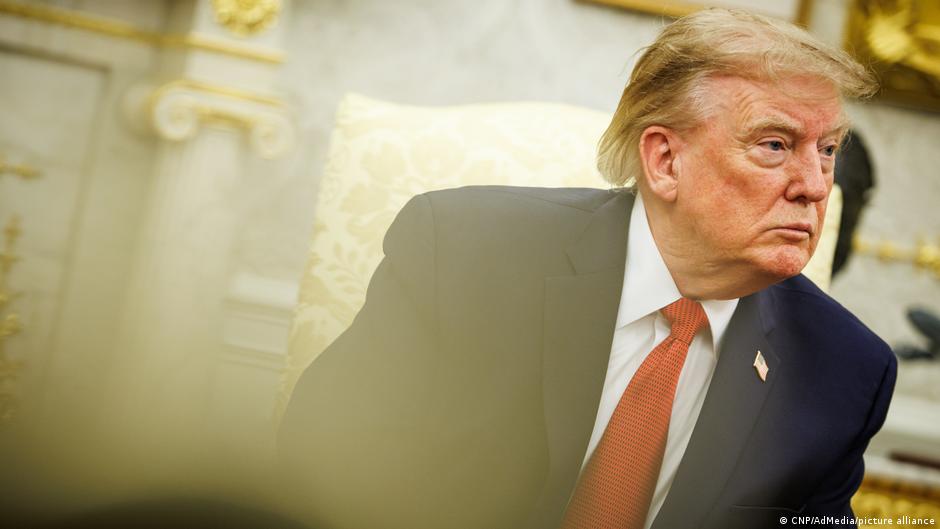
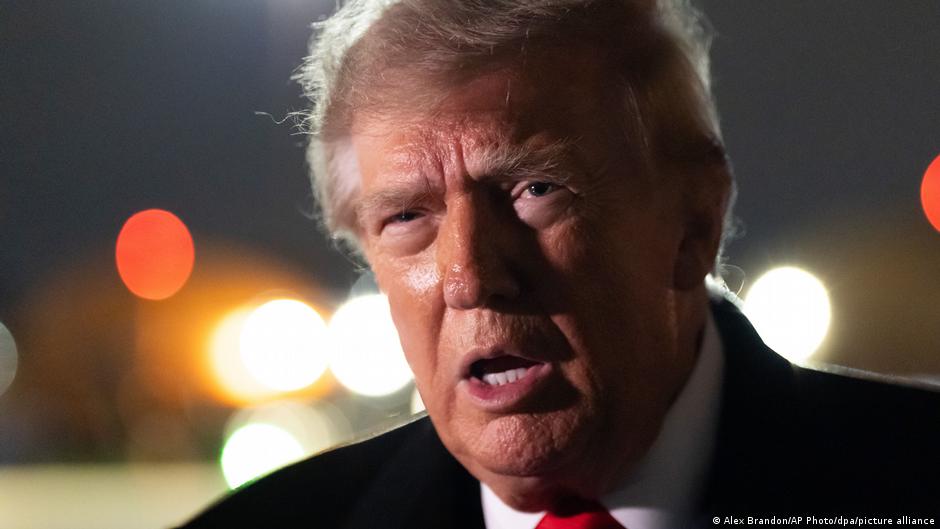
US President Donald Trump has declared the commencement of a large-scale economic war against Iran, imposing unprecedented sanctions aimed at isolating the country economically. This move is expected to significantly disrupt Iran’s trade, finance, and energy sectors, with potential ripple effects across global digital banking, payment systems, and market stability.
Unprecedented Sanctions and Global Financial Impact
In a statement posted on his social media platform Truth Social on August 20, Trump described the campaign as "the most crushing economic operation ever conducted against any country." The sanctions signal a strategic escalation, targeting not only Iran's oil exports and shipping but also its financial sector that supports international trade and payments.
"We need the support of all our allies to isolate and defeat the Iranian threat," Trump emphasized, warning of "huge" sanctions against any nation that continues to support or conduct business with Iran.
This stance is likely to affect the digital economy, as multinational banks and payment processors reassess their exposure to Iranian-linked transactions to avoid secondary sanctions. Moreover, cryptocurrency platforms and fintech companies that facilitate cross-border payments may face increased scrutiny, as enforcement agencies seek to close loopholes that Tehran could exploit to bypass traditional financial restrictions.
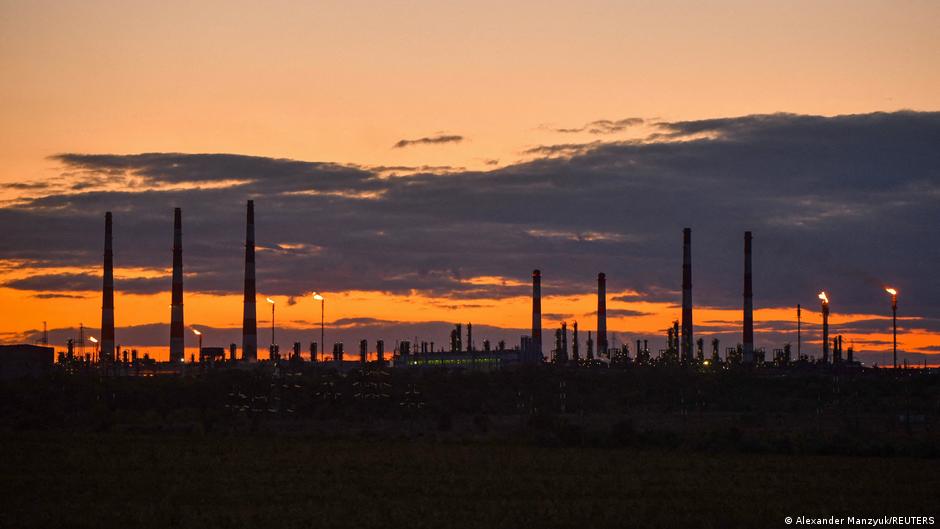
The United States has already implemented extensive sanctions targeting Iran’s oil, shipping, and financial sectors, aiming to cut off Tehran’s primary revenue streams. The latest announcement appears to intensify these measures within the framework of the broader "Economic Fury" operation declared earlier in April.
Regional Repercussions and Trade Disruptions
In a related development, the United Arab Emirates (UAE) preemptively suspended all trade, commercial exchanges, and financial operations with Iran on August 18, citing security concerns following alleged Iranian missile attacks targeting maritime shipping routes. Tehran has denied these allegations.
The suspension by the UAE, a major regional trading hub, exacerbates the economic isolation of Iran and poses challenges to regional supply chains and payment corridors. These developments could accelerate shifts in trade finance mechanisms, prompting greater reliance on alternative digital payment platforms to mitigate geopolitical risks.
Financial markets are already registering increased volatility amid these tensions, with technology stocks linked to fintech and cybersecurity sectors gaining attention as investors anticipate higher demand for secure digital transaction infrastructure.
As global stakeholders navigate this complex environment, fintech innovation and robust cybersecurity measures will be critical in maintaining transactional integrity and compliance amid expanding sanction frameworks.