US Military Strikes Iran for 11th Night Amid Rising Middle East Tensions
Continuous US attacks target Iranian military infrastructure, impacting regional security and global trade routes.
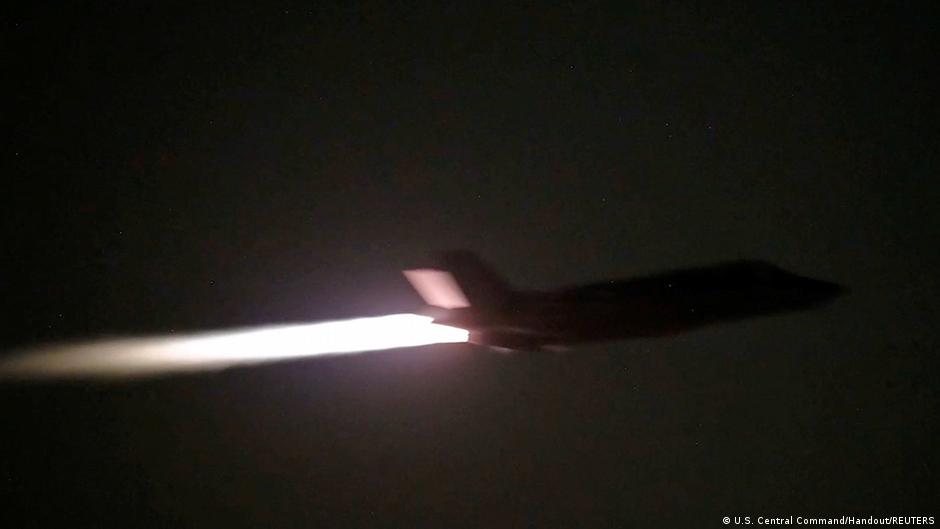
The United States Central Command (CENTCOM) announced a new wave of strikes against multiple targets in Iran, marking the 11th consecutive night of military operations. These strikes lasted 75 minutes and aimed to degrade Iran’s military capabilities, particularly those threatening commercial shipping in the strategic Strait of Hormuz.
Impact on Regional Stability and Global Trade
The sustained military actions began on Tuesday, July 21, at 7:00 p.m. Eastern Time (1:00 a.m. Central European Time on July 22), and were reported successfully completed within 75 minutes of their commencement. CENTCOM reported targeting Iranian military command centers, naval forces, aviation hangars, drone storage facilities, and logistics infrastructure.
"These strikes are designed to further weaken Iran's ability to threaten commercial shipping in the Strait of Hormuz," CENTCOM stated, emphasizing the critical importance of maintaining open maritime trade routes.
According to U.S. military data, Iran has attacked over 30 commercial vessels transiting the Strait in the past three months. Despite this aggression, CENTCOM claims the strait remains open, facilitating passage for approximately 900 commercial ships and enabling the transport of 450 million barrels of crude oil since May.
However, independent assessments from the London Stock Exchange revealed notably lower vessel traffic, with only four ships passing on July 19 and eight on July 18, indicating potential disruptions to shipping activities in the region.
Escalating Military Responses and Regional Security Concerns
On July 21, Iran launched missile and drone attacks on Camp Arifjan, a U.S. military base in Kuwait. Kuwaiti authorities reported successfully intercepting these aerial threats with their air defense systems. The Islamic Revolutionary Guard Corps (IRGC) declared the "sixth wave" of its Nasr 2 military operation, targeting U.S. installations in Kuwait and Bahrain, though independent verification of the claimed attacks remains unavailable.
These hostilities follow Iran's invalidation of a June ceasefire framework with the United States, which had aimed to broker a lasting peace within 60 days. The ongoing conflict has resulted in increasing casualties, with CENTCOM confirming the deaths of three U.S. service members during this recent escalation, bringing total U.S. military fatalities since February to 17.
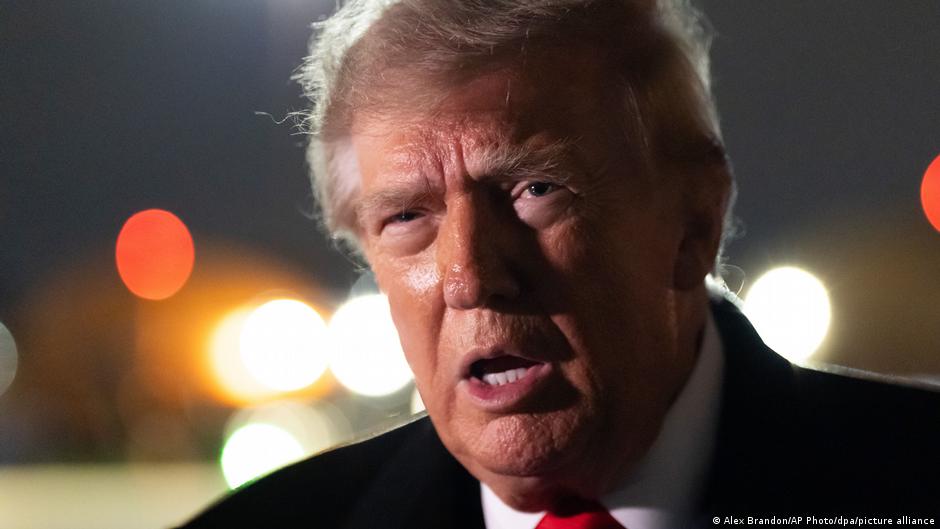
U.S. President Donald Trump responded sharply in the early hours of July 21, warning Iran of "multiple" consequences for any further American military deaths. "Every time Iran kills an American soldier, it will pay multiple times over," he declared via his social media platform, ensuring the message was conveyed to the Secretary of Defense Pete Hegseth.
Fintech and Digital Economy Implications
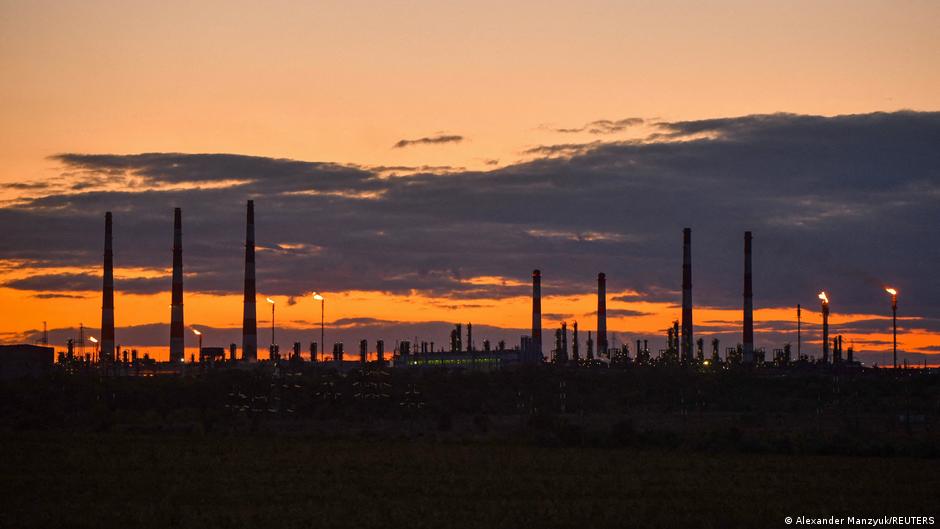
While the conflict’s immediate impact centers on traditional military and geopolitical concerns, the ongoing instability in the Persian Gulf poses significant risks for the fintech sector and digital economy. The Strait of Hormuz is a vital artery for global oil shipments, and disruptions heighten volatility in energy markets, which directly influences cryptocurrency valuations and digital payment systems linked to commodities trading.
Furthermore, the persistent threat environment increases cybersecurity risks for financial institutions and digital banks operating in the region. Geopolitical tensions often trigger cyberattacks aimed at disrupting banking infrastructure, compromising digital payments, and destabilizing tech stock markets globally.
Investors and fintech companies should closely monitor developments, as prolonged conflict could accelerate adoption of decentralized finance (DeFi) solutions to circumvent regional instability, while also increasing demand for robust cybersecurity measures.