EU Faces Internal Divisions Over Ban on Russian Combatants Amid Financial Sanctions Debate
France and Italy express concerns that entry bans on Russian combatants may inadvertently affect all Russian nationals entering the EU.
The European Union is encountering internal challenges as it considers a proposed ban on entry for Russian individuals who have participated in the ongoing conflict against Ukraine. France and Italy have voiced apprehensions that such a measure, part of the EU's 21st sanctions package, might result in broader travel restrictions affecting all Russian citizens.
Complexities of Implementing Targeted Travel Restrictions
The proposed ban is intended to bar Russian combatants from entering EU member states, aiming to increase pressure on Moscow as Ukraine gains ground on the battlefield. However, sources indicate that Paris and Rome are cautious about the enforcement of these restrictions. They highlight the difficulties in accurately determining which Russian nationals have been combatants, as decisions would fall to individual EU countries, potentially leading to arbitrary or overly broad application.
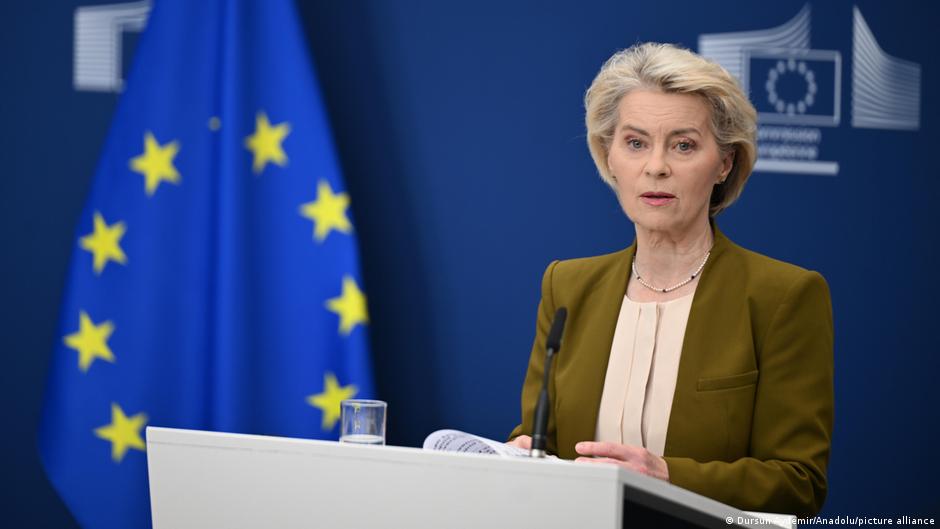
"Europe remains closed to all who participated in the invasion of Ukraine," EU Commission President Ursula von der Leyen stated, emphasizing the union's firm stance.
In addition to the travel ban, the EU's 21st sanctions package addresses various sectors including energy, finance, trade, and for the first time, fisheries. The comprehensive approach underscores the EU's strategic intent to curtail Russia's revenue streams that finance military operations.
Implications for Fintech, Digital Payments, and Economic Security
The sanctions package, while geopolitically motivated, has notable ramifications for the fintech and digital economy sectors. Restrictions targeting Russian combatants and financial institutions may prompt increased scrutiny of cross-border payments and digital banking platforms to prevent sanction evasion. Fintech companies facilitating payments involving Russian entities will need to enhance compliance measures and cybersecurity protocols.
Furthermore, the EU's resolution to enforce a price cap on Russian oil amid soaring global energy costs poses operational challenges. Monitoring and enforcement mechanisms will likely rely on advanced digital technologies, including blockchain for transaction transparency and AI-driven compliance systems, to ensure adherence without disrupting legitimate trade.
As the EU moves toward unanimous approval of the sanctions, fintech firms and digital banks operating within member states must prepare for tighter regulatory environments. Enhanced due diligence, real-time transaction monitoring, and robust cybersecurity frameworks will be critical to mitigate risks associated with these evolving sanctions.
Observers note that the EU's persistent efforts to close sanction loopholes reflect a commitment to leveraging digital innovation in sanction enforcement, highlighting the intersection of geopolitics and fintech advancements.