Council of Europe Criticizes Georgia’s Democratic Backsliding Amid Political Tensions
PACE urges Georgian authorities to halt opposition persecution and ensure free elections, signaling concerns for governance and rule of law.
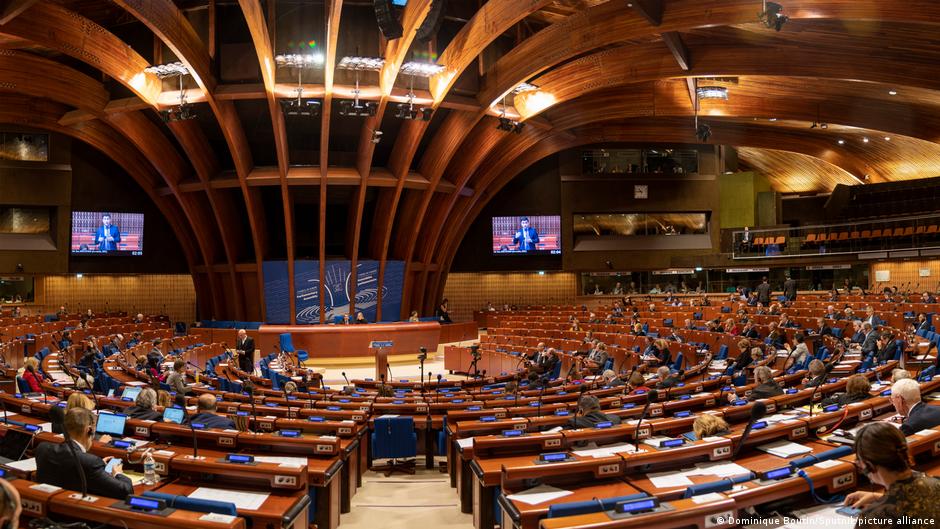
The Parliamentary Assembly of the Council of Europe (PACE) adopted a resolution on June 24 criticizing Georgia for a democratic decline marked by political repression and challenges to civil liberties. The resolution calls on Georgian authorities to reverse repressive laws, stop the persecution of opposition figures, and create conditions for free and fair elections.
Democratic Standards and Political Climate Under Spotlight
With 83 votes in favor, five against, and four abstentions, PACE expressed deep concern over what it described as a sustained rollback of democratic norms in Georgia. The resolution highlights suppression of civil society, political opposition, and dissenting voices despite previous recommendations aimed at upholding democratic governance.
"PACE expresses deep concern over the continued democratic backsliding in Georgia, characterized by suppression of civil society, political opposition, and dissent," the document states.
The assembly emphasizes that membership in the Council of Europe entails binding obligations, including upholding democracy and human rights. The resolution also draws attention to transnational repression of journalists and educational reforms adversely affecting academic freedom.
Furthermore, PACE calls for thorough investigations into police violence against demonstrators and stresses the need for Georgia to comply with judgments from the European Court of Human Rights and recommendations from the Organization for Security and Co-operation in Europe (OSCE).
Despite the criticisms, PACE affirmed its commitment to dialogue aimed at restoring democratic principles in Georgia.
Political Reactions and Implications for Governance
Georgia’s parliamentary speaker, Shalva Papuashvili, denounced the PACE resolution as "anti-Georgian." Speaking on the "Rustavi 2" television channel, he criticized both PACE and the European Parliament for what he called a failure to recognize Georgia’s sovereignty.
Papuashvili argued that PACE ignored the will of the Georgian people as expressed in the 2024 parliamentary elections, which returned the ruling Georgian Dream party to power. He cited this as justification for Georgia’s delegation suspending its membership in the Council of Europe assembly approximately eighteen months ago.
The ongoing tensions between Georgia and European institutions reflect broader challenges in the country’s democratic development, with potential ramifications for governance, rule of law, and the business environment.
Fintech and Digital Economy Considerations
While the resolution primarily addresses political and human rights issues, the democratic environment significantly impacts Georgia’s digital economy and fintech sector. Political instability and concerns about rule of law can affect investor confidence, especially in areas reliant on transparent regulation such as digital banking, payments systems, and cryptocurrency markets.
Moreover, adherence to European standards and cooperation with international bodies often facilitate cross-border digital financial services and cybersecurity frameworks. The international scrutiny on Georgia’s governance may influence its ability to integrate into broader digital and financial ecosystems in Europe.
Ensuring democratic norms and judicial independence is essential for maintaining trust in fintech innovations and protecting consumers and investors in emerging digital markets.