Drone Attack Sparks Fire at Poltava Oil Depot Near Krasnodar Amid Rising Infrastructure Cyber Risks
A drone strike on the Poltava oil depot in Krasnodar Krai highlights emerging vulnerabilities in energy infrastructure impacting digital economy stability.
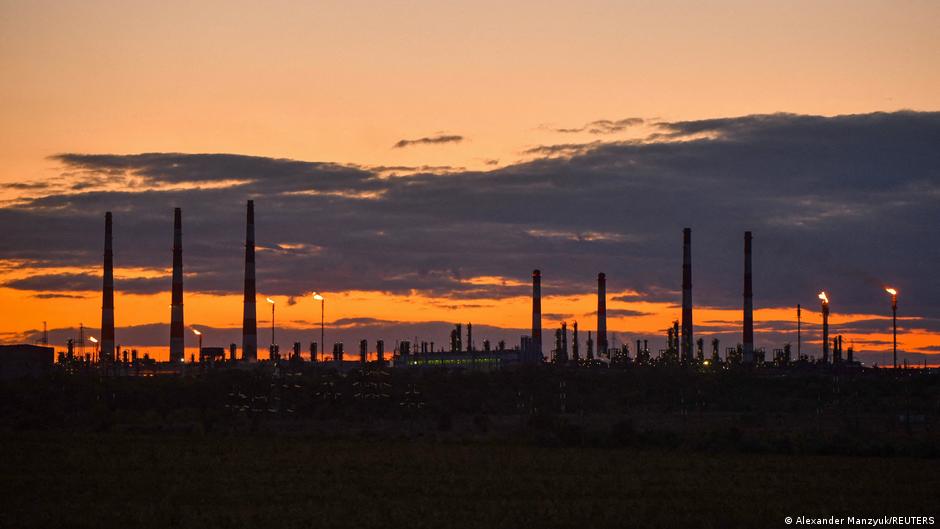
In the early hours of June 25, a significant fire erupted at the Poltava oil depot located in the Krasnoarmeysky district of Krasnodar Krai, Russia. Local authorities attribute the blaze to debris from a downed unmanned aerial vehicle (UAV), marking the latest in a series of drone attacks that have targeted critical infrastructure in the region.
According to Alexander Kharitonov, head of the district, the incident was triggered by fragments falling onto the oil depot. The site, comprising approximately 28 storage tanks, plays a crucial role in supplying fuel to parts of Krasnodar Krai and the Republic of Adygea. The fire resulted in temporary closure of the road connecting the Poltava and Trudobelikovsky settlements.
Drone Attacks Expose Energy Sector Vulnerabilities
Multiple reports from Telegram channels indicate that the attack led to fires in three of the depot’s storage tanks. This event underscores the susceptibility of energy facilities to modern asymmetric threats such as drone incursions, which pose significant risks to operational continuity and regional fuel supply chains.
"The Poltava oil depot is a regional fuel infrastructure asset vital to Krasnodar Krai and Adygea," a local Telegram channel noted, highlighting the strategic importance of the site.
In parallel, drone strikes have targeted energy assets in the annexed Crimean Peninsula, including the Balaklava and Tavricheskaya thermal power stations, and caused a powerful explosion near the Kacha airfield. These attacks also prompted short-term power outages in urban centers such as Simferopol, Yalta, and areas near Yevpatoriya, exposing not only physical but also cybersecurity and grid resilience challenges.
Subscribers to local channels reported multiple explosions in Simferopol affecting electrical infrastructure, with Ukrainian sources confirming that Sevastopol was similarly targeted by coordinated UAV strikes. Such events highlight how critical infrastructure sectors are becoming battlegrounds where cyber-physical risks converge.
On June 24, Ukrainian President Volodymyr Zelensky addressed his nation and the international community, stating that Ukraine’s operations regarding Crimea are “clearly planned.” While details on the nature of assistance discussed with G7 partners remain undisclosed, he emphasized that support could compel Russia toward peace.
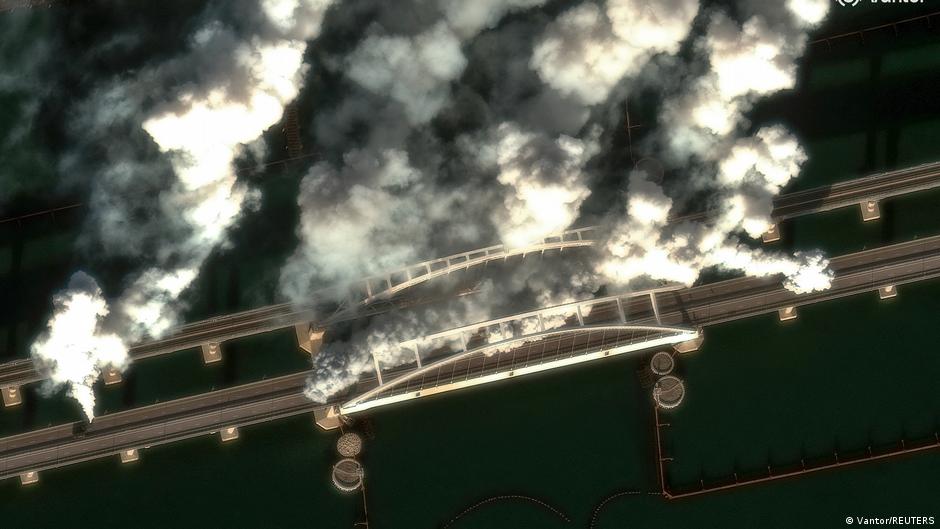
Zelensky also noted that Russia has redeployed its air defense resources toward Moscow and the Crimean Bridge area, leaving other regions more exposed. The shifting defense posture could further increase vulnerabilities in energy and transportation infrastructure, with potential ripple effects on the digital economy, especially in fintech and related sectors that rely on uninterrupted power and secure communications.
Implications for Fintech and Digital Economy
The recent attacks underscore the growing intersection between physical infrastructure security and digital economy stability. Disruptions in fuel supply chains and electrical grids can have cascading effects on payment systems, digital banking platforms, and the broader fintech ecosystem. Cybersecurity and drone defense mechanisms emerge as critical priorities to safeguard economic continuity.
Investors and stakeholders in tech stocks linked to energy, cybersecurity, and drone countermeasures should closely monitor these developments. The evolving risk landscape may accelerate innovation in autonomous defense technologies and prompt regulatory frameworks to mitigate emerging threats.