Ex-German Foreign Minister Annalena Baerbock to Join Columbia University Faculty in New York
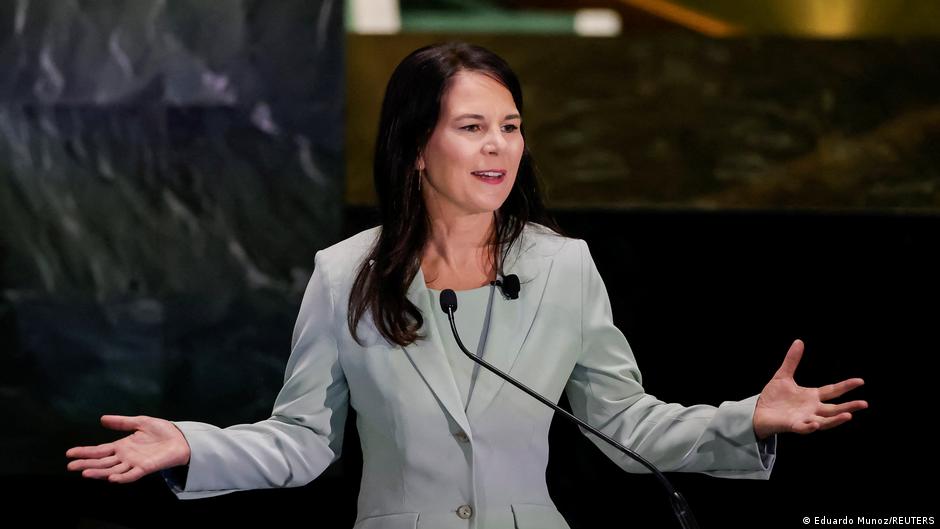
Annalena Baerbock will join Columbia University as co-director of a public administration program after her UN General Assembly chairmanship ends in 2024.

Annalena Baerbock will join Columbia University as co-director of a public administration program after her UN General Assembly chairmanship ends in 2024.

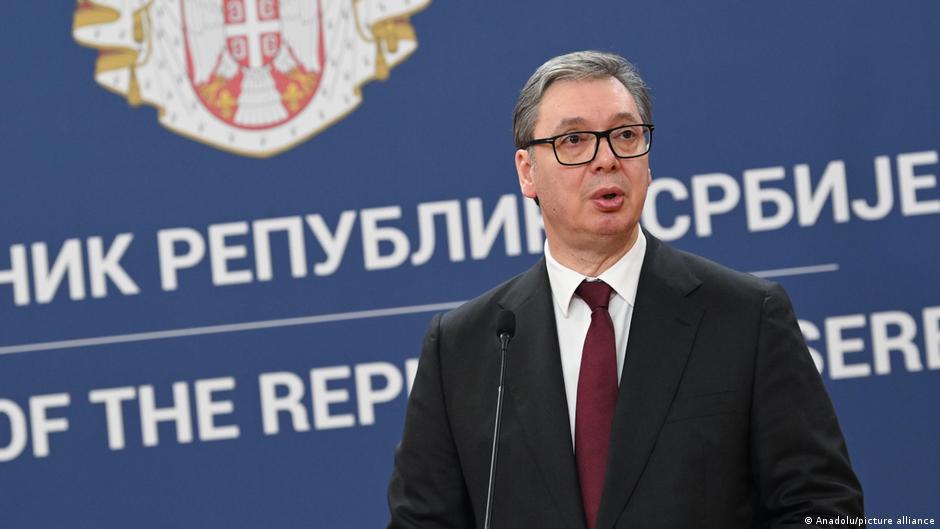
Serbia will hold early parliamentary elections in October 2023 amid widespread protests demanding government accountability and anti-corruption measures.

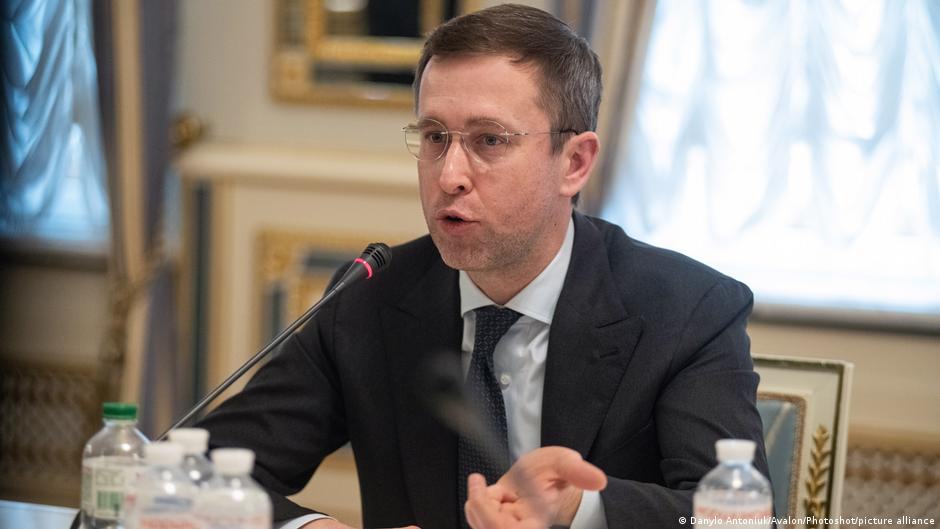
Former Ukrainian defense minister Mikhail Fedorov calls for elections during ongoing war, emphasizing legal, secure methods and democratic resilience amid conflict.

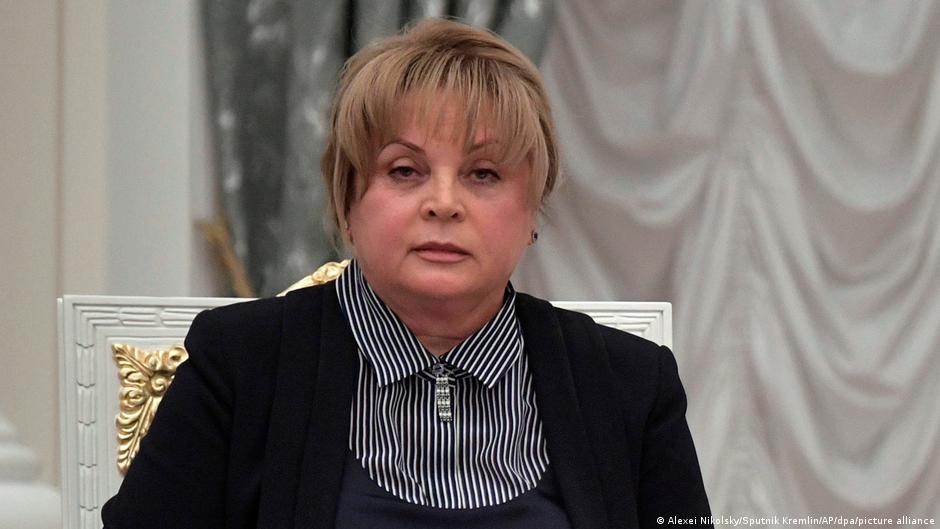
Russia’s election chief supports removing voting rights for emigrated citizens labeled as "foreign agents," raising implications for election security and digital governance.

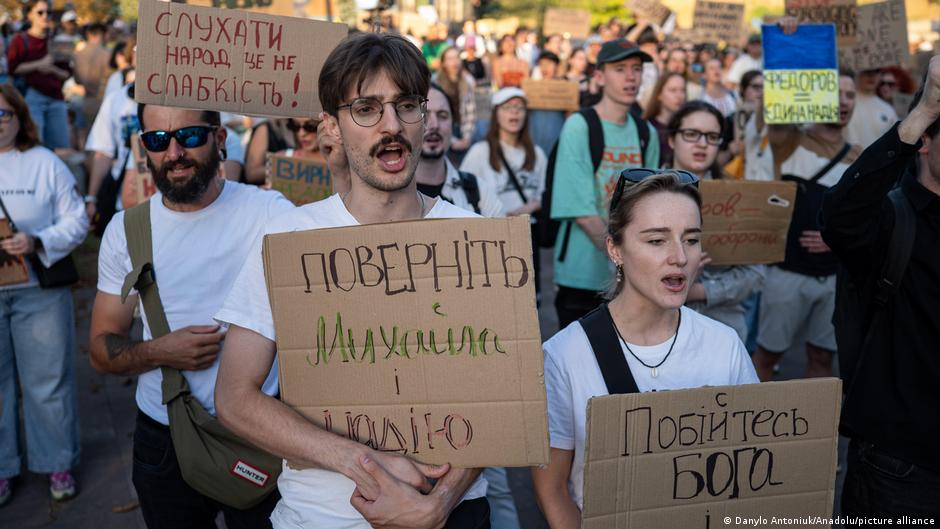
Hundreds protested in Kyiv and other Ukrainian cities demanding Mikhail Fedorov’s reinstatement as Defense Minister amid government reshuffles and calls for reform.

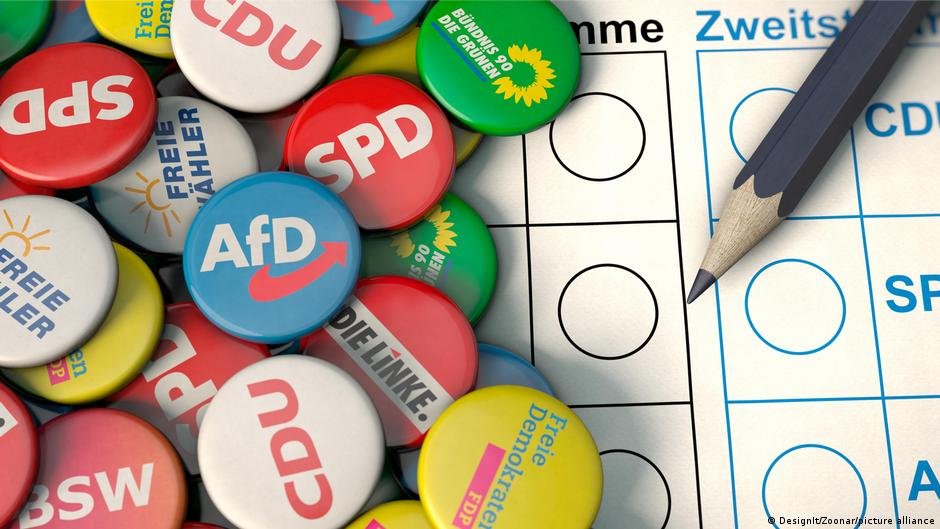
Support for Germany's CDU/CSU drops to 20% with far-right AfD leading polls; upcoming regional elections may reshape political and fintech sector landscapes.

Russia has declared the US-based Human Rights Foundation undesirable, citing its digital projects like the Tyranny Tracker and critical content against Russian authorities.

Venezuela's government and opposition will hold talks to discuss earthquake relief and election reforms, impacting the country's fintech and digital economy sectors.
Uzbekistan launches a national navigation system and unified digital platform to enhance fintech, public administration, and digital infrastructure, aiming to boost IT exports and startup growth.

The US announces a historic agreement with Hamas for full disarmament, marking a key step toward peace and potential growth in the region's digital economy and fintech sectors.

The IMF has approved a €604 million disbursement to Ukraine following satisfactory progress in its Extended Fund Facility program, supporting economic and digital sector resilience.

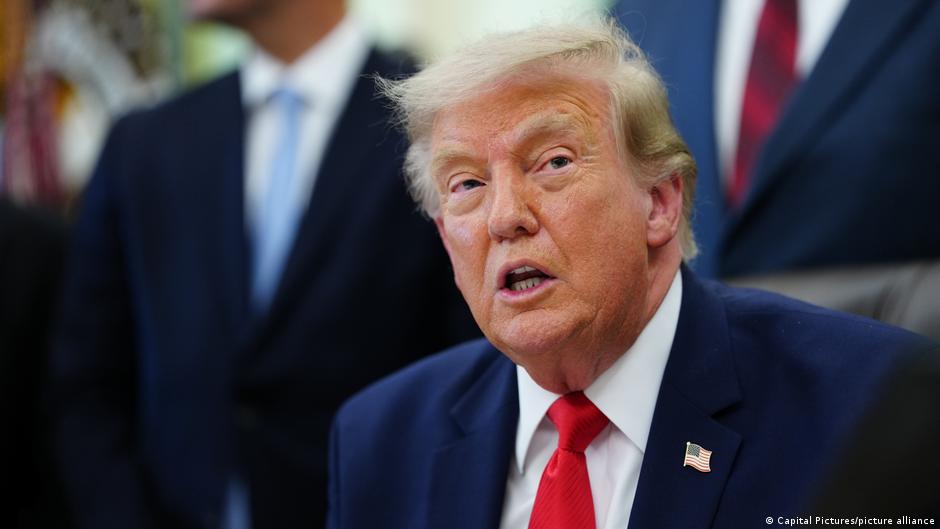
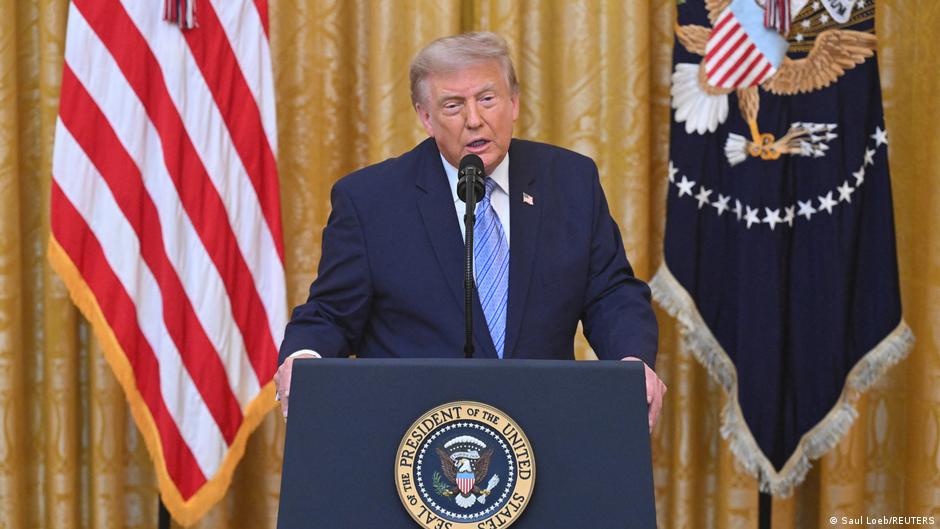
Former President Trump alleges China accessed data of 220 million US voters in a major cybersecurity breach impacting the 2020 election system.

Ukraine's parliament is set to approve Sergey Koretsky as the new Prime Minister, marking a significant government reshuffle with implications for the digital economy and energy sectors.

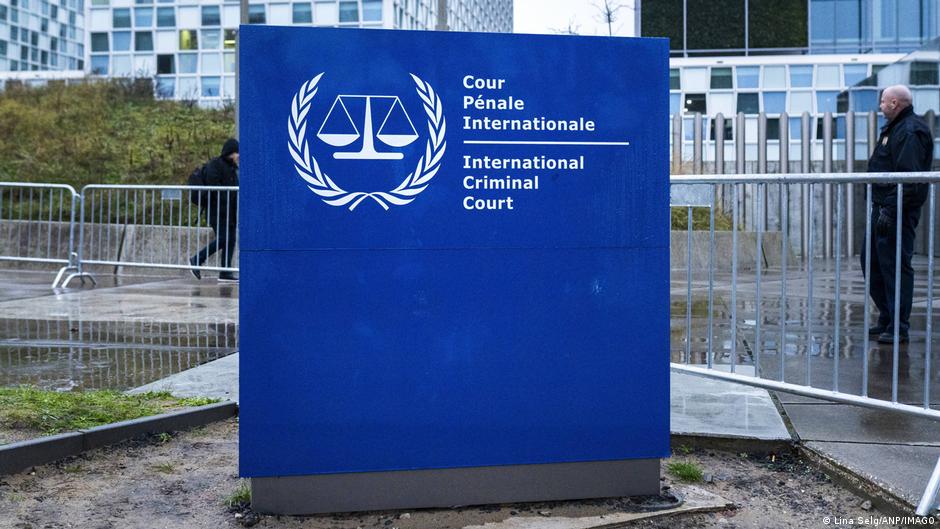
Germany defends the International Criminal Court as the U.S. escalates diplomatic and legal actions against the tribunal over investigations into American personnel.

Uzbekistan's digital water management reforms significantly reduce water stress, promoting sustainable resource use and creating opportunities for fintech and green innovation.

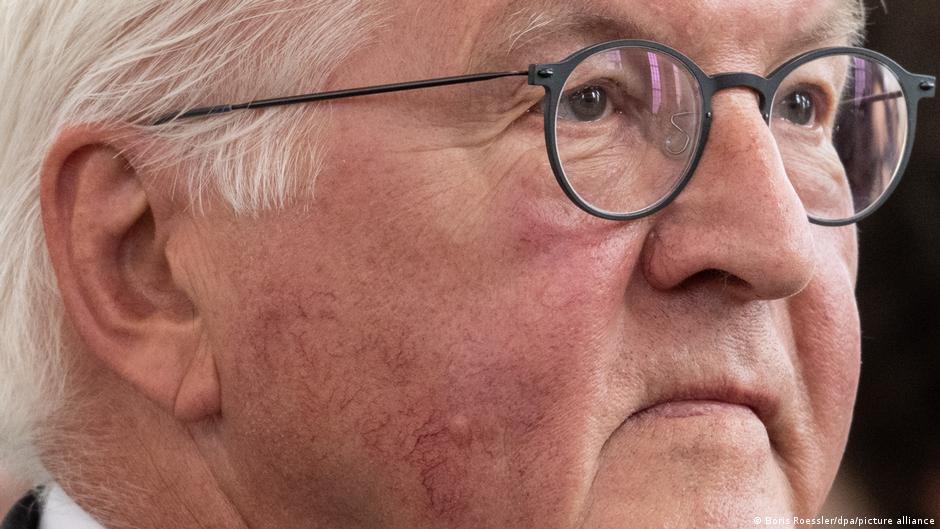
German President Steinmeier urges Europe to uphold international order amidst geopolitical challenges, emphasizing the impact on digital economy, fintech, and cybersecurity.

The death of Iran’s Supreme Leader Ali Khamenei and subsequent regional tensions pose risks to digital banking, payments, and cybersecurity in the Middle East’s fintech sector.

Uzbek aluminium producer AKFA Aluminium plans its first international bond issuance and investor roadshows in London to boost corporate transparency and governance.

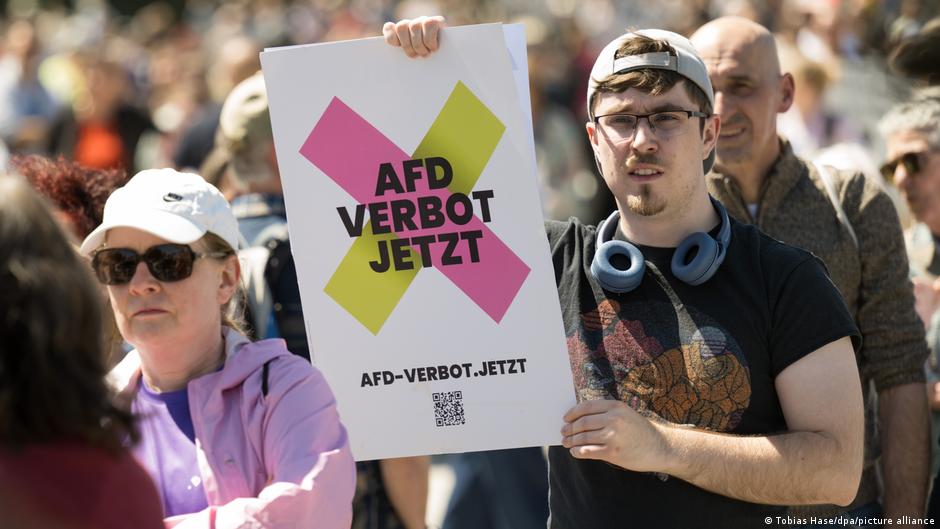
A poll finds 45% of Germans oppose banning the far-right AfD, which leads the CDU/CSU by 8%, signaling political shifts that could impact fintech and digital economy sectors.

The Communist Party of Austria wins Graz municipal elections, emphasizing housing policy and moderate governance, highlighting local political trends impacting urban fintech and digital economy sectors.

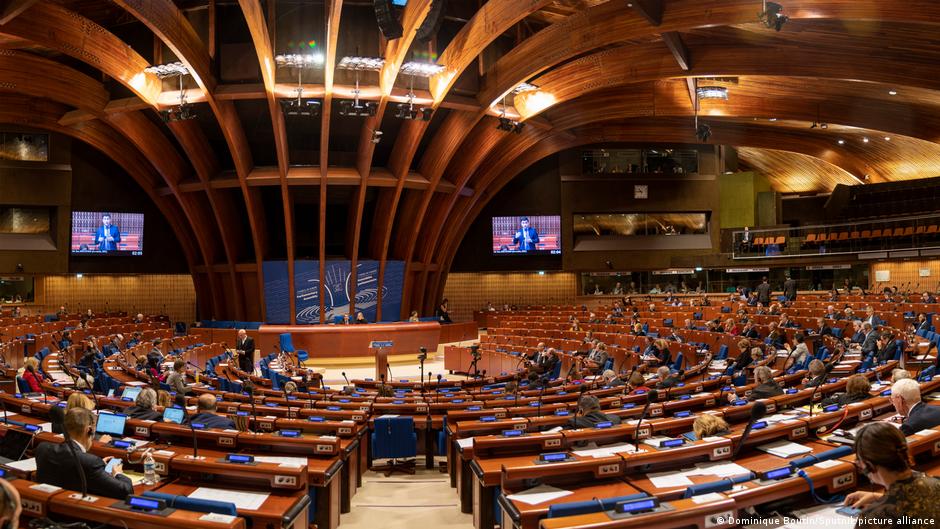
The Council of Europe’s Parliamentary Assembly criticized Georgia for democratic backsliding and urged reforms amid political tensions affecting governance and the digital economy.

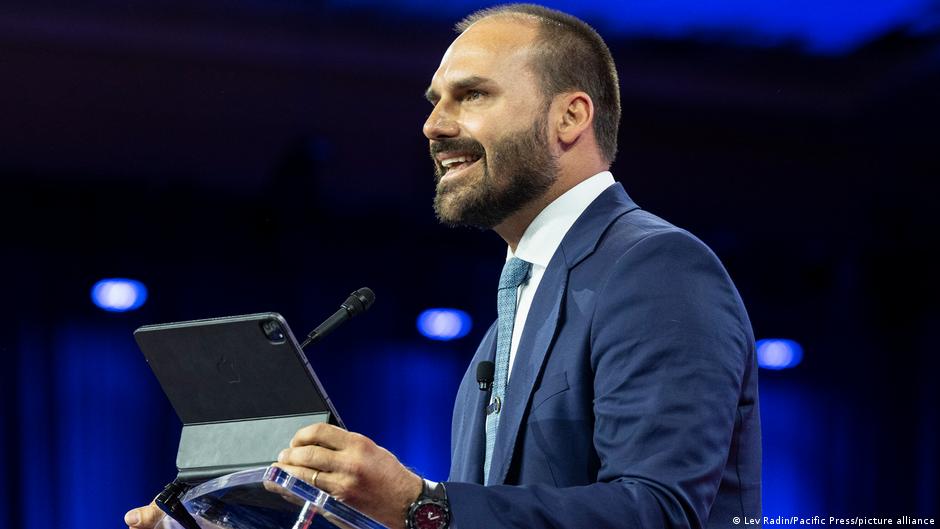
Eduardo Bolsonaro was sentenced to over four years for lobbying US sanctions against Brazil, highlighting political risks that could affect Brazil's fintech and digital economy sectors.

Hungary limits prime minister terms to two four-year periods, preventing Viktor Orbán’s return and impacting political dynamics in fintech and digital economy sectors.

The U.S. Congress approved $70 billion to fund immigration agencies, highlighting significant impacts on digital infrastructure, fintech, and cybersecurity within government operations.

Kosovo’s Vetëvendosje party wins snap elections with 43%, but must form a coalition amid political instability affecting digital economy reforms and fintech development.

Finland has seized €3.7 million in Russian assets following Ukraine's Naftogaz efforts to enforce a $5 billion arbitration award related to seized Crimean property.

The EU plans to restrict US cloud service providers like Microsoft and Google from government contracts to enhance digital sovereignty and address data security concerns.

Belgorod has resumed mobile internet and street lighting after months of restrictions due to security concerns amid ongoing cross-border military tensions.

NATO confirms a Russian-origin drone crashed in Romania after Ukrainian air defenses intervened, escalating regional security and digital threat concerns near the Ukraine border.

Ksenia Fedorova, ex-head of RT France, now works on French conservative TV, illustrating media shifts following RT's EU broadcast ban and implications for digital information security.

Russian officials tried to dissuade Putin from imposing stricter internet controls amid concerns over economic damage and public discontent linked to digital restrictions.

EU's top diplomat Kaja Kallas warns Russia, China, and the US employ divide-and-rule tactics to weaken EU unity, posing risks to fintech, digital banking, and cybersecurity integration.

Latvia's ruling coalition collapses after Defense Minister resigns, raising concerns about governance stability and implications for fintech, cybersecurity, and digital economy policies.

Following Hungary's political shift, former Polish Justice Minister Zbigniew Ziobro, wanted for corruption, has relocated to the US, raising fintech and cybersecurity concerns.

The US Department of Defense has released 161 declassified files on UFOs, encouraging public analysis while highlighting the importance of cybersecurity and data transparency.

Nicolas Sarkozy has been conditionally released early in a case involving 2012 campaign finance overspending, highlighting legal and digital monitoring developments.

Israel detains humanitarian aid ships to Gaza, revealing digital communication disruptions and prompting fintech and cybersecurity concerns amid maritime blockades.

Hungary's new leadership seeks to unlock €35 billion in EU funds frozen due to previous governance issues, with significant implications for its fintech and digital economy sectors.

Alexander Eichwald was expelled from Germany’s AfD after a speech mimicking Hitler’s style, revealing extremist tensions that may affect Germany’s fintech and digital economy sectors.

A phishing attack compromised the Signal account of German Bundestag chair Julia Klöckner, affecting CDU leadership communications and exposing cybersecurity vulnerabilities in political digital messaging.

Bulgaria’s Progressive Bulgaria coalition, led by ex-president Rumen Radev, leads elections with over 40% amid anti-corruption and judicial reform demands, impacting the digital economy landscape.

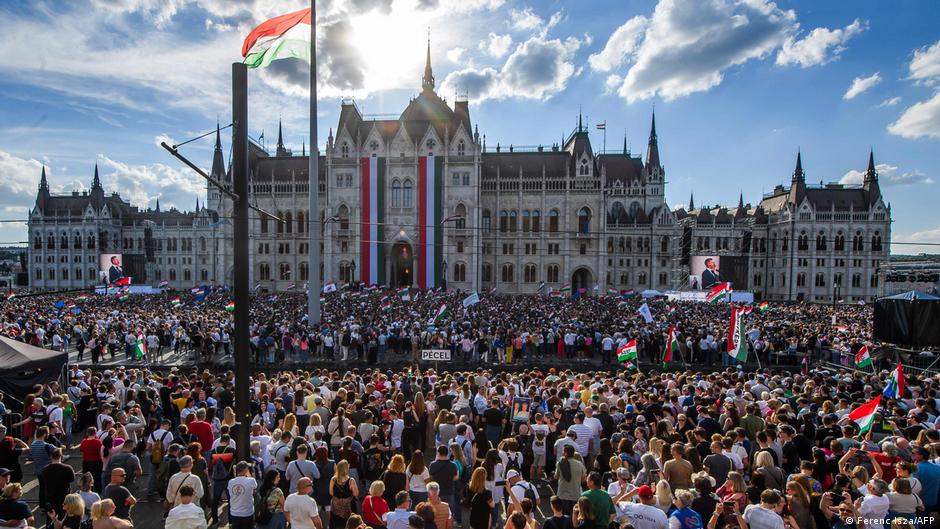
Peter Madyar’s Tisa party wins Hungary’s parliamentary majority amidst contested district results involving alleged voter confusion tactics, raising election security concerns.

Dilshod Ahmedov, former chairman of Uzbekistan's O‘zmetkombinat, faces international charges for alleged embezzlement, raising corporate governance concerns.

Pope Leo XIV denounces exploitation and war, linking religious manipulation to broader impacts on global stability and economic systems amid his Africa tour.