Serbia to Hold Early Parliamentary Elections in October 2023 Amid Political Turmoil
President Aleksandar Vučić announces snap elections ahead of schedule as public protests demand government accountability.
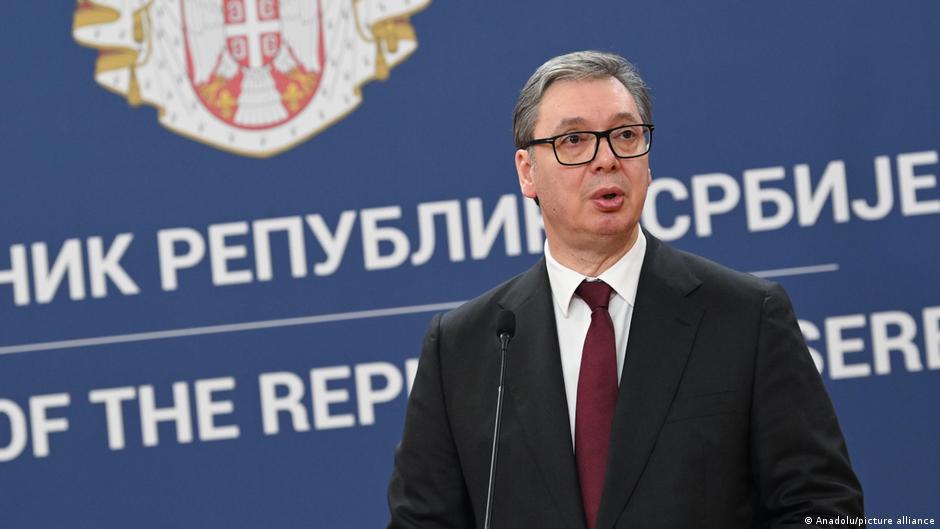
Serbia is set to hold early parliamentary elections in October 2023, more than a year ahead of the originally scheduled date, President Aleksandar Vučić announced on August 20. The exact date is expected to be either October 18 or October 25, with confirmation pending in the coming days.
Political Instability and Public Pressure Fuel Early Polls
President Vučić, who has been in power for 12 years, previously expressed intentions to resign before his presidential term officially ends in mid-2027. According to the Serbian constitution, a head of state cannot serve more than two terms. This political uncertainty comes amid widespread public discontent and ongoing protests that have persisted for over a year.
"Around 80% of the Serbian population supports the anti-corruption demands of students, while approximately 64% back the ongoing protests," according to recent public opinion polls.
The protests originally ignited after a tragic accident at the Novi Sad railway station, where a collapsing shelter resulted in 16 fatalities. This event has since morphed into a broader movement against perceived systemic corruption, abuse of power, and suppression of freedoms under Vučić's government.
Students and other demonstrators have mobilized tens to hundreds of thousands of people, decrying alleged links between the ruling elite and organized crime, as well as the use of violence against political opponents and restrictions on free speech. One of their core demands has been the organization of early elections to restore democratic legitimacy.
From a fintech and digital economy perspective, political instability in Serbia could have implications for the country's financial sector, including digital banking and cybersecurity frameworks. Regulatory uncertainty and shifts in government policy may affect the trajectory of Serbia's digital payments infrastructure and adoption of crypto assets, areas where stability and clear governance are crucial.
Moreover, investors in regional tech stocks and fintech startups will closely monitor election outcomes, as changes in leadership might influence market confidence and the pace of digital innovation initiatives. Cybersecurity policies, particularly those protecting financial data and payments systems, may also face revisions depending on the new parliament's composition.
As Serbia navigates this transitional period, the intersection of politics and technology will be a key area to watch for developments impacting the country's digital economy and its integration into broader European fintech ecosystems.