Ukraine Pauses Russian Refinery Strikes as US Elections Near
Ukraine has reportedly paused strikes on Russian refineries, linking US election politics with fuel prices, Starlink dependence and digital-economy risk.

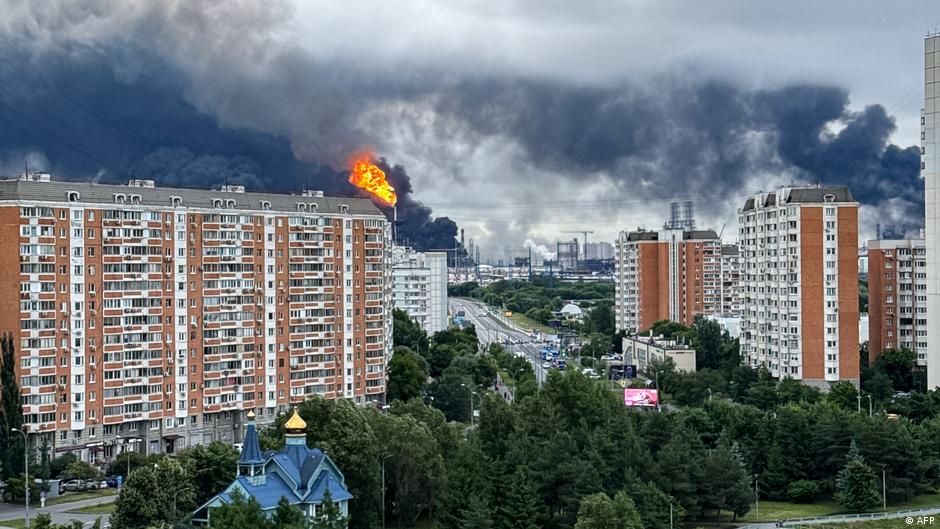
Ukraine has reportedly paused strikes on Russian refineries, linking US election politics with fuel prices, Starlink dependence and digital-economy risk.

EU leaders failed to agree on a seven-year budget as proposed cuts to research and new levies on digital services and cryptoassets divided member states.

Reported U.S. pressure on Ukraine over refinery strikes raises questions for energy markets, payments compliance, crypto risk and tech stocks.

Abbas delayed Palestinian elections to September 2027, extending governance uncertainty for Gaza’s payments, banking and digital economy outlook.

A U.S. strike disabled a Panama-flagged cargo vessel near Iran, adding pressure to energy markets, trade finance and digital risk systems.

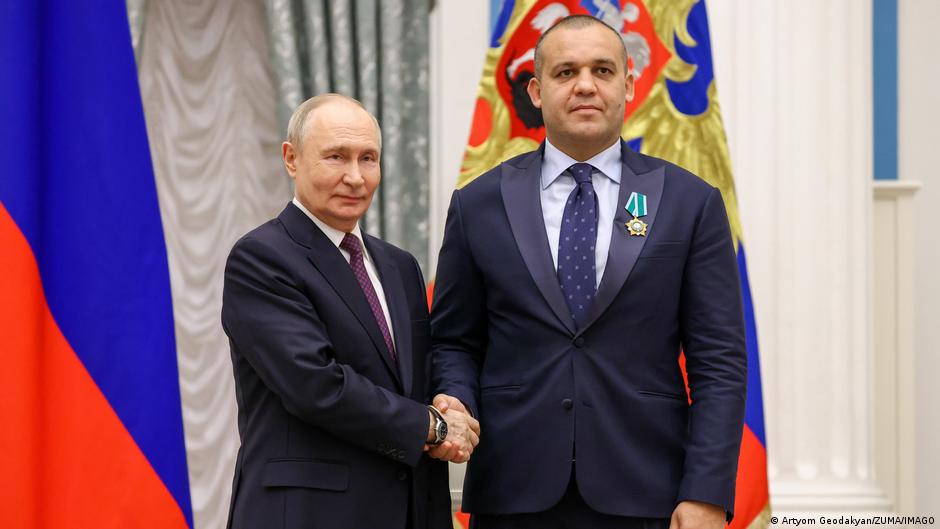
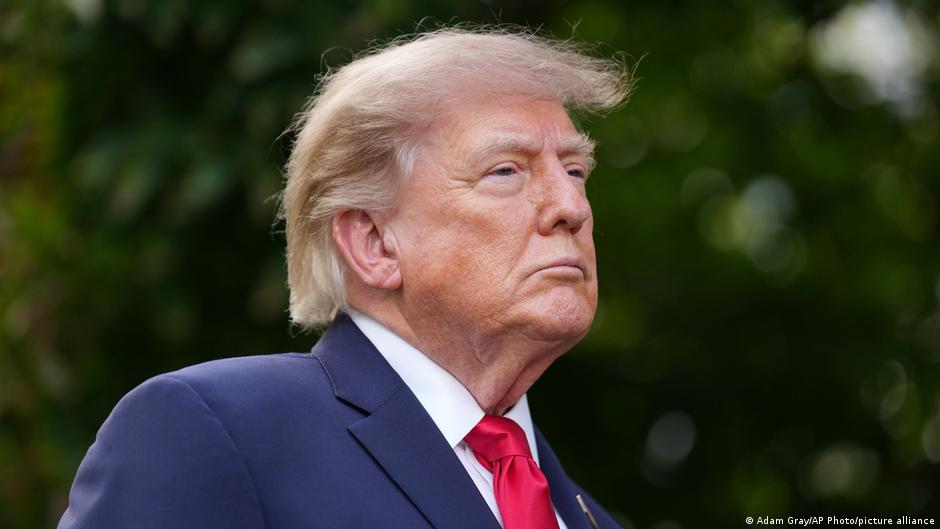
Umar Kremlev says Donald Trump Jr. reimbursed him for wedding event costs, as Democrats weigh scrutiny of foreign-linked payments.

Ruling-party candidates and Dodik allies won key Bosnia votes, signaling continuity for investors tracking fintech, banking and policy risk.

Flavio Bolsonaro led Brazil’s first presidential round with 47.03%, setting up an Oct. 25 runoff with Lula and raising market scrutiny.

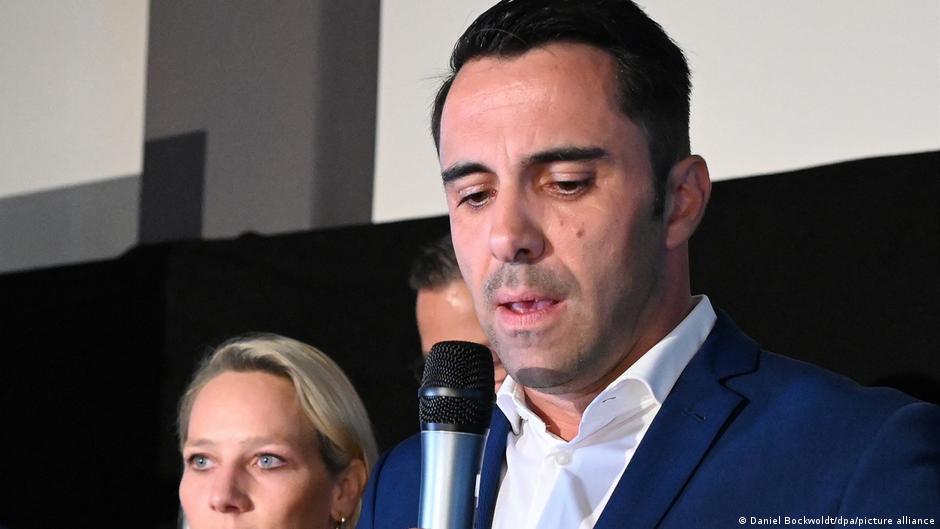
AfD lost all three Lower Saxony runoff bids, while Greens held Hanover and gained ground in major cities with digital economy stakes.

Trump expects new Iran talks as the Hormuz standoff raises risks for energy markets, fintech compliance, crypto volatility and tech stocks.

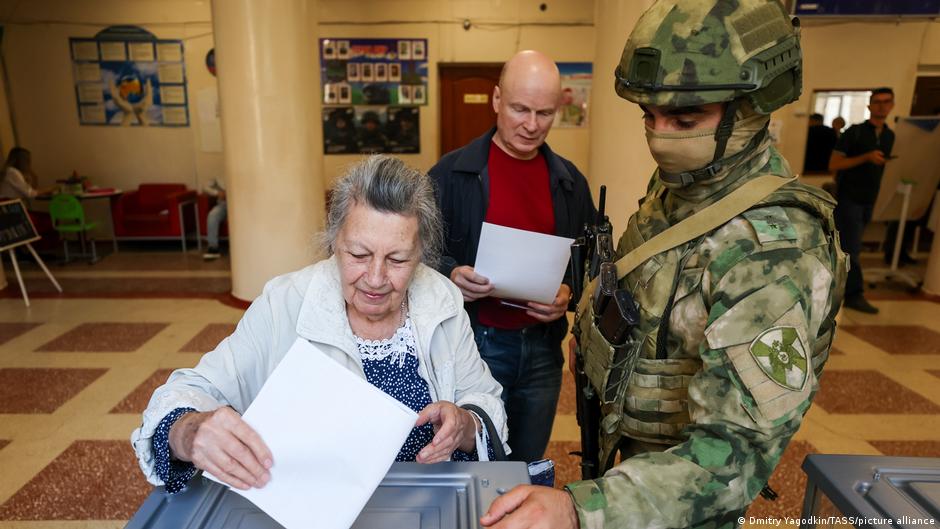
Ukraine sanctioned 44 people linked to Russian Duma voting in occupied regions, raising compliance issues for banks, fintechs and crypto firms.

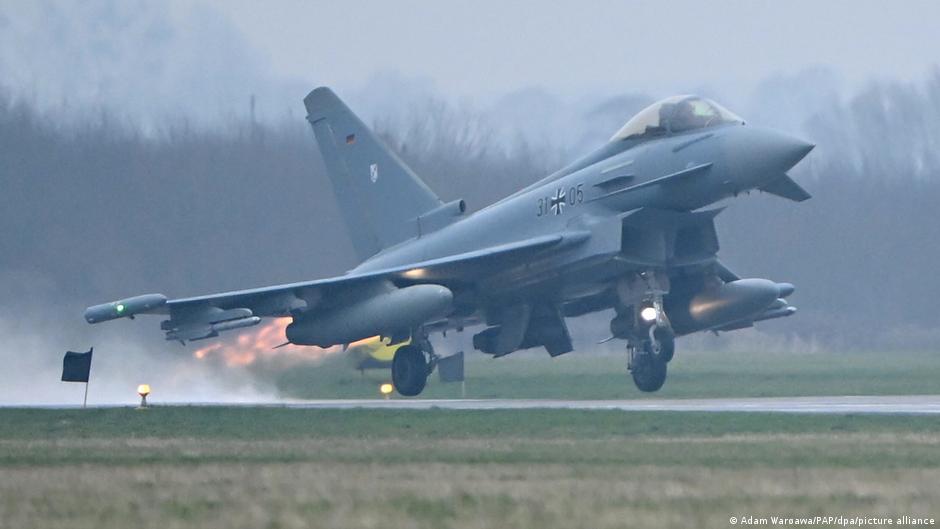
Germany deployed four Eurofighters to Latvia for election-period airspace security, highlighting NATO risks tied to digital and financial resilience.

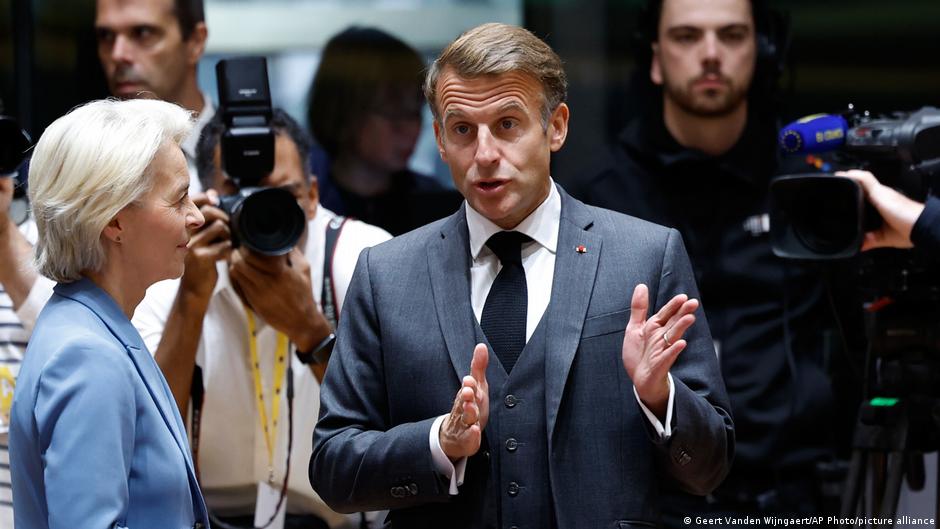
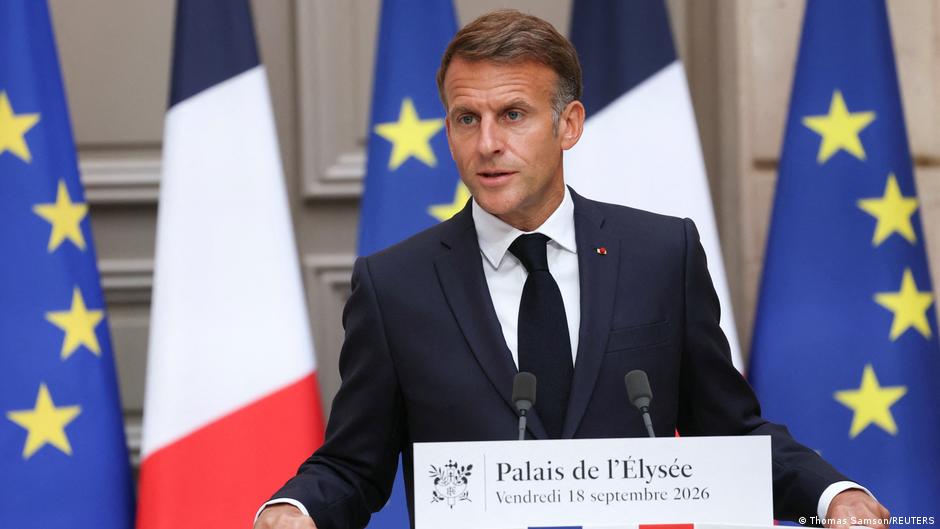
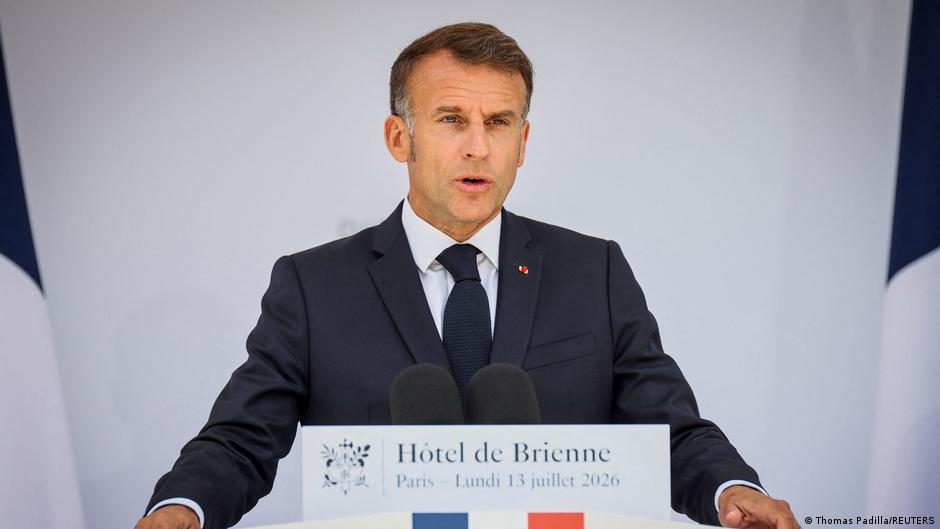
Macron says a Russian mobilization of about 300,000 people is credible and warns Europe faces rising hybrid and cyber threats.

The CDU’s historic defeat in Mecklenburg-Vorpommern adds political risk for fintech, digital banking and tech investors watching Germany.

The Left Party’s Berlin win could reshape the city’s housing, governance and investment climate for fintech and digital economy firms.

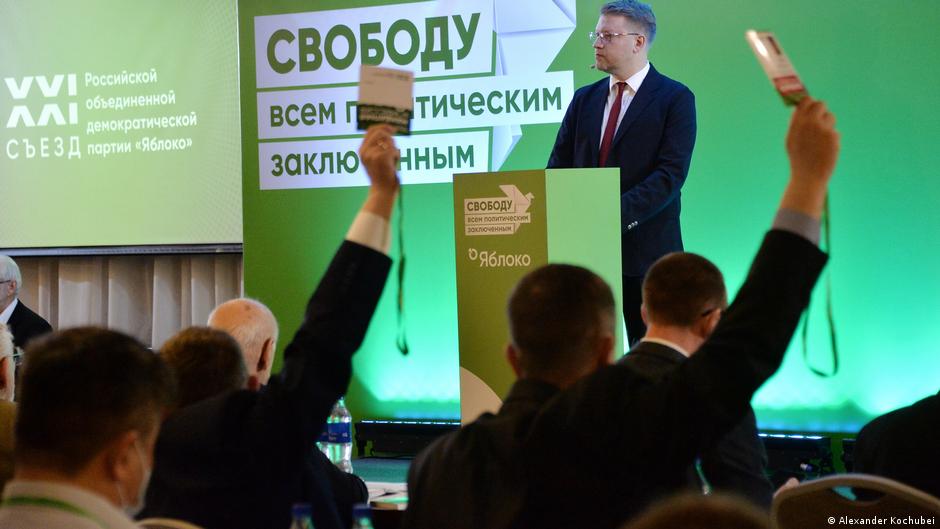
Yabloko’s 6.2% Novgorod result may preserve its route to future Duma ballots, a governance signal for Russia’s regulated digital economy.

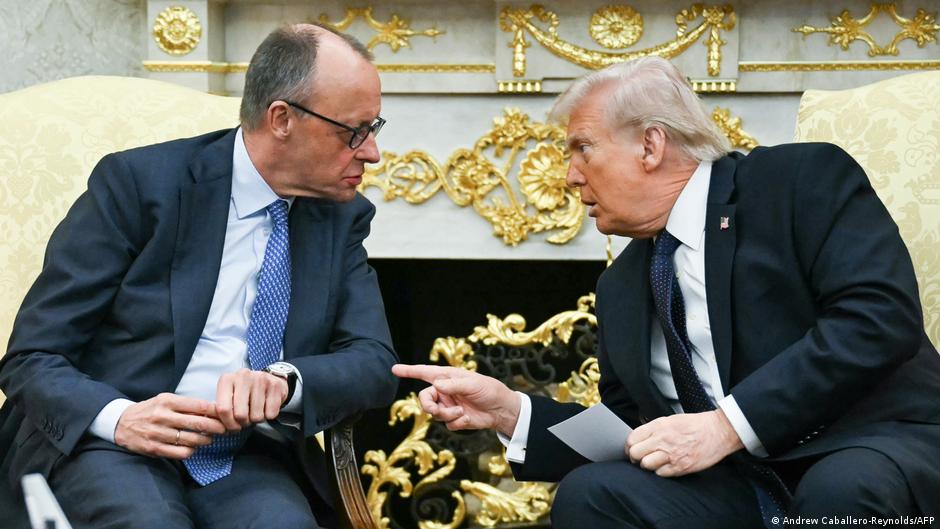
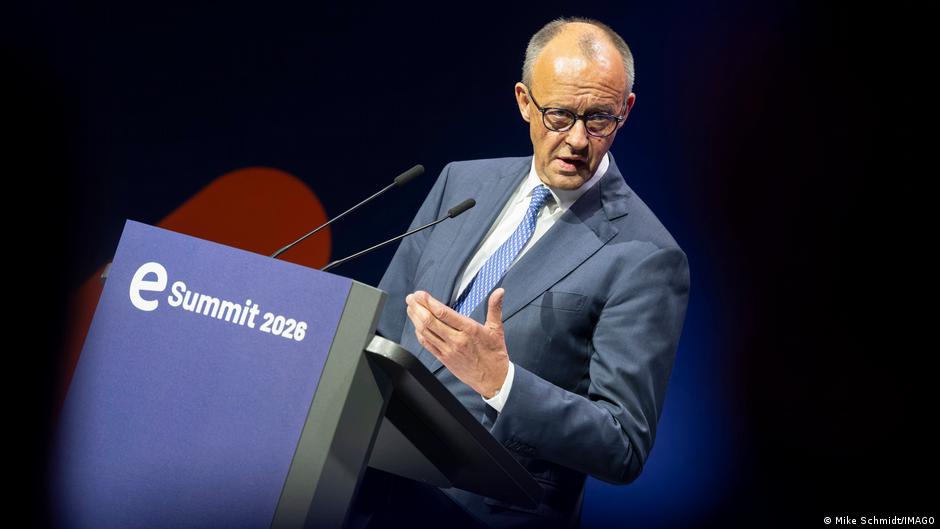
Friedrich Merz says unconditional transatlantic friendship may be over, with implications for Germany’s economy, security and digital sectors.

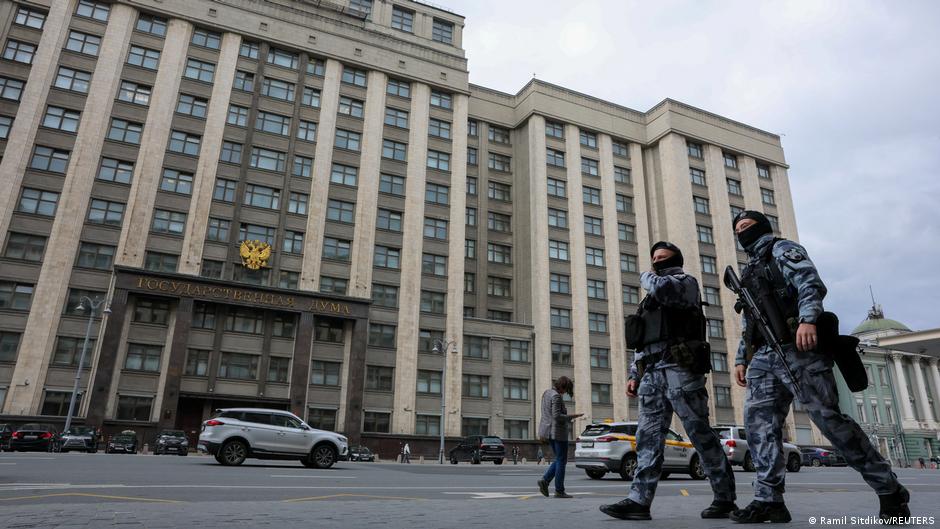
Russia’s three-day Duma vote begins as officials warn of AI-generated polling-place videos and extend voting to occupied Ukrainian territories.

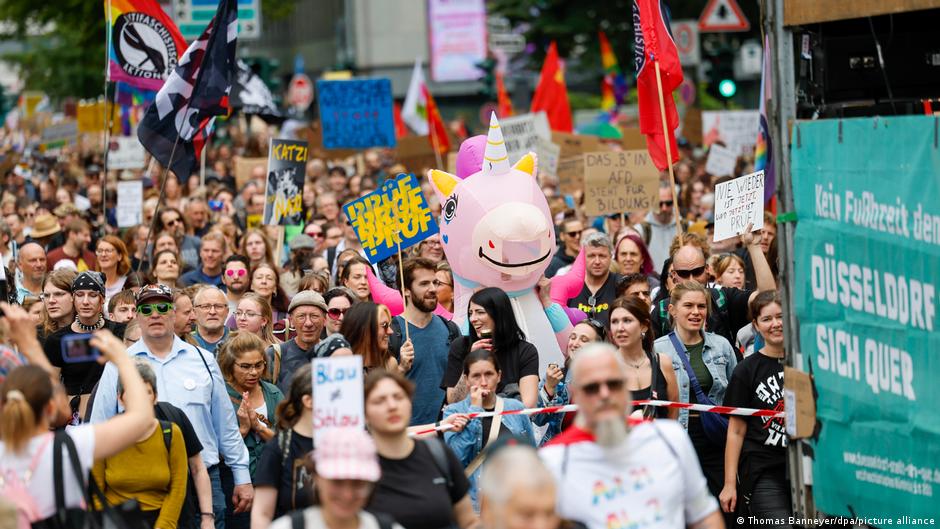
Mass protests against right-wing extremism in Germany underline political risk questions for fintech, digital banking and tech investors.

Houthi control near Bab el-Mandeb could disrupt oil flows and ripple through payments, crypto, digital banking and tech stocks.

Zelensky says he expects a US delegation meeting by late September focused on energy and food security amid attacks on infrastructure.

Macron is pushing for an EU-wide social media ban for under-15s after France’s top constitutional body blocked a national law.

European leaders reacted sharply to AfD’s projected win in Saxony-Anhalt, a result that could heighten political risk for fintech and digital markets.

AfD won 43.8% in Saxony-Anhalt, but coalition uncertainty raises policy risk around energy, sanctions and the digital economy.

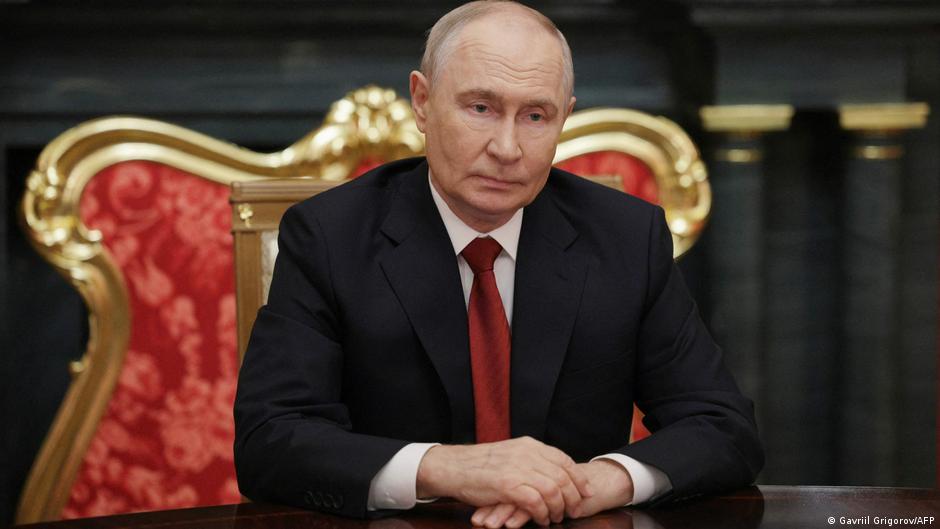
Putin backed using medically unfit volunteers for rear drone defense, signaling new pressure on Russia’s manpower, infrastructure and tech sectors.

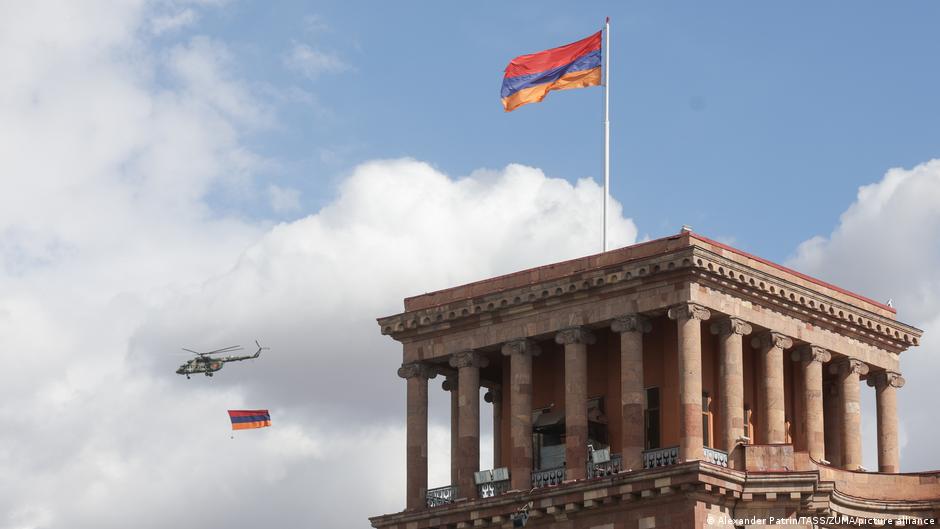
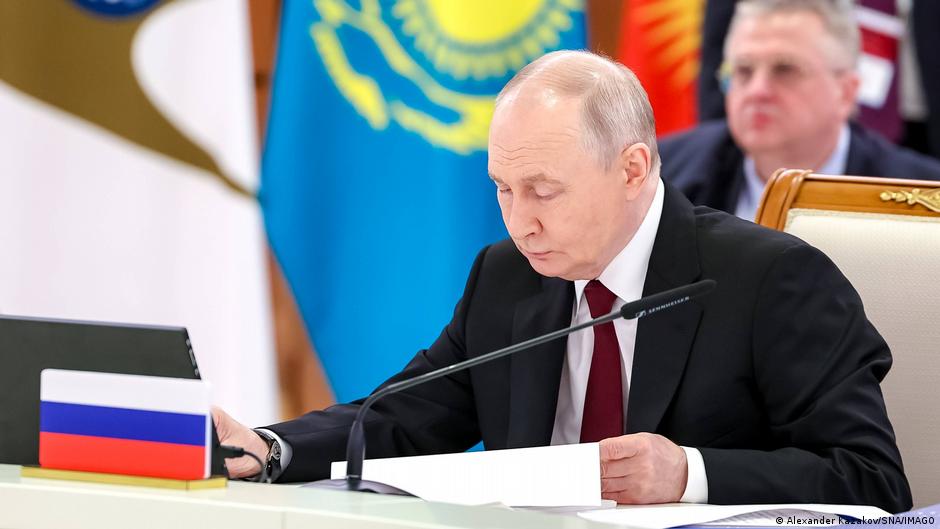
Putin told Pashinyan that Armenia’s move toward EU membership would amount to leaving the EEU, escalating a dispute with implications for trade and finance.

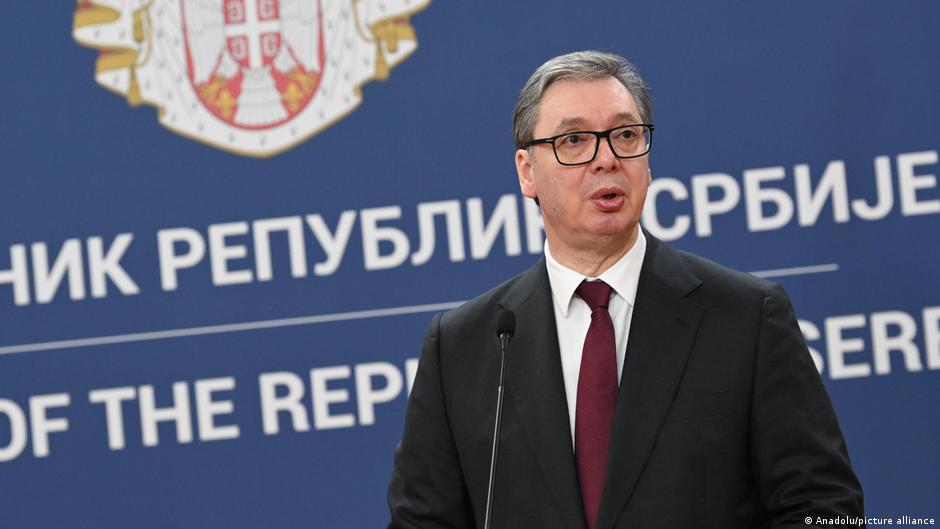
Serbia will hold early parliamentary elections in October 2023 amid widespread protests demanding government accountability and anti-corruption measures.

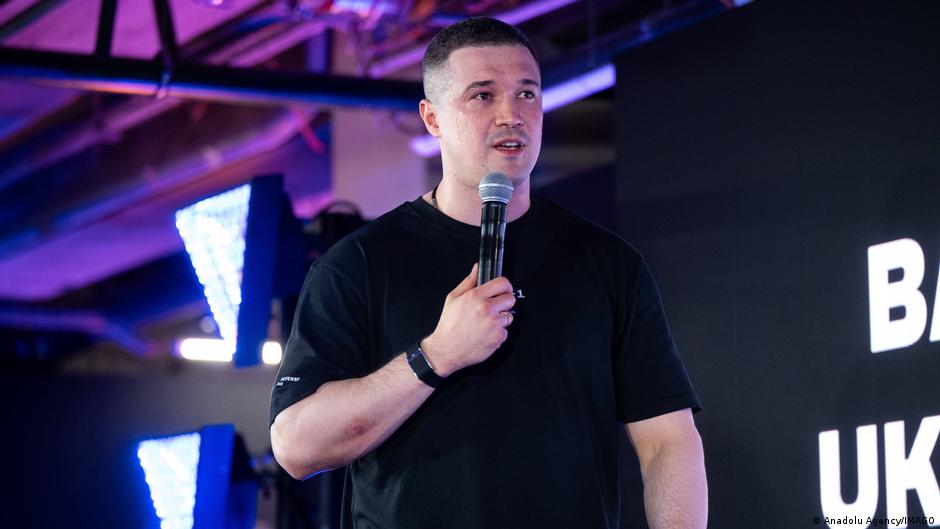
Former Ukrainian defense minister Mikhail Fedorov calls for elections during ongoing war, emphasizing legal, secure methods and democratic resilience amid conflict.

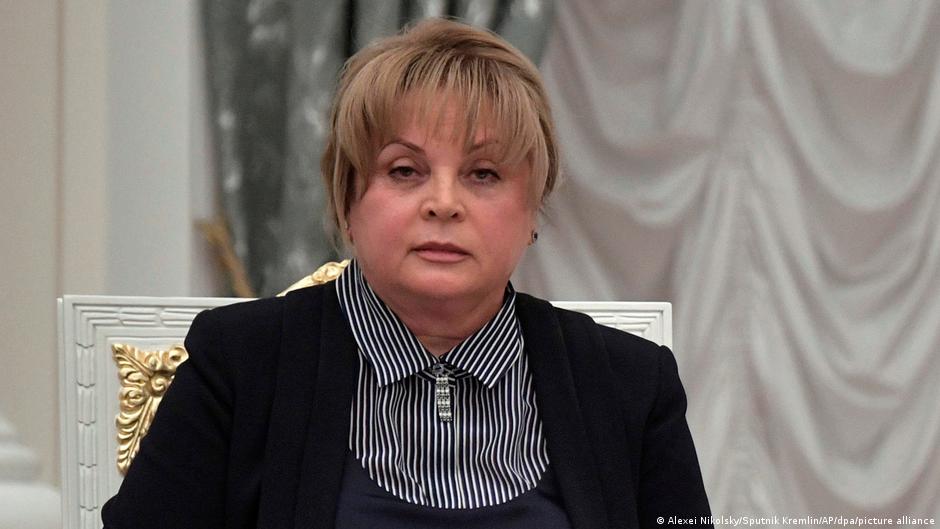
Russia’s election chief supports removing voting rights for emigrated citizens labeled as "foreign agents," raising implications for election security and digital governance.

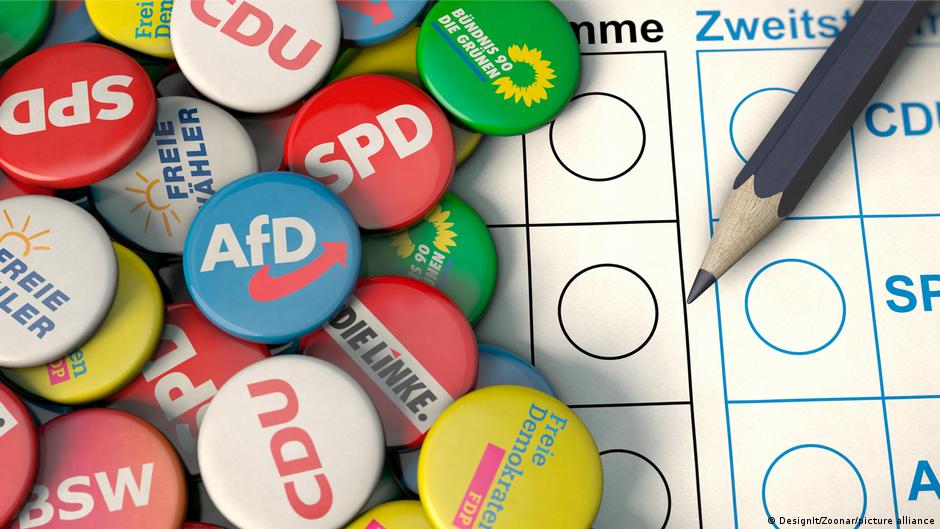
Support for Germany's CDU/CSU drops to 20% with far-right AfD leading polls; upcoming regional elections may reshape political and fintech sector landscapes.

Venezuela's government and opposition will hold talks to discuss earthquake relief and election reforms, impacting the country's fintech and digital economy sectors.

A Kremlin-linked bot network disseminates fake news mimicking German media to influence voter sentiment ahead of September regional elections.

Former President Trump alleges China accessed data of 220 million US voters in a major cybersecurity breach impacting the 2020 election system.

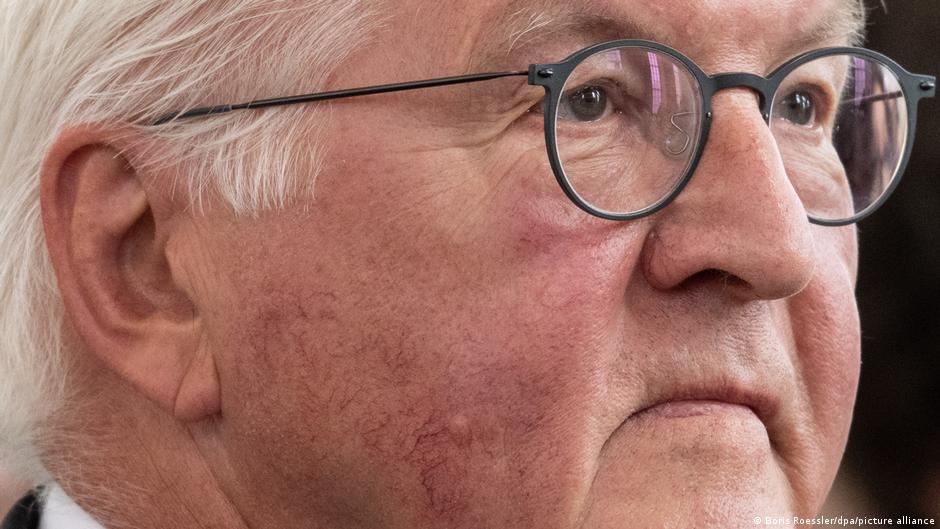
German President Steinmeier urges Europe to uphold international order amidst geopolitical challenges, emphasizing the impact on digital economy, fintech, and cybersecurity.

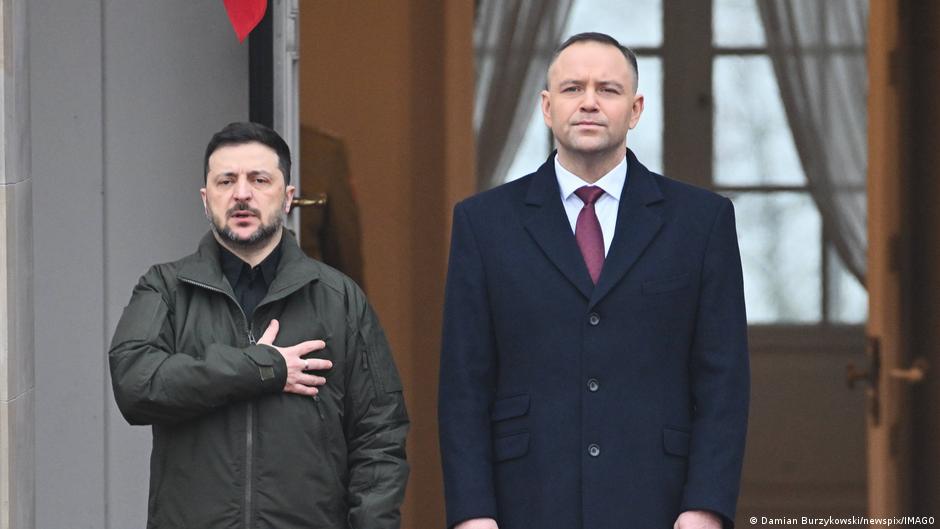
Ukraine’s Zelensky proposes a National Pantheon and European Order amid tensions with Poland, affecting regional digital economy cooperation and fintech development.

The Communist Party of Austria wins Graz municipal elections, emphasizing housing policy and moderate governance, highlighting local political trends impacting urban fintech and digital economy sectors.

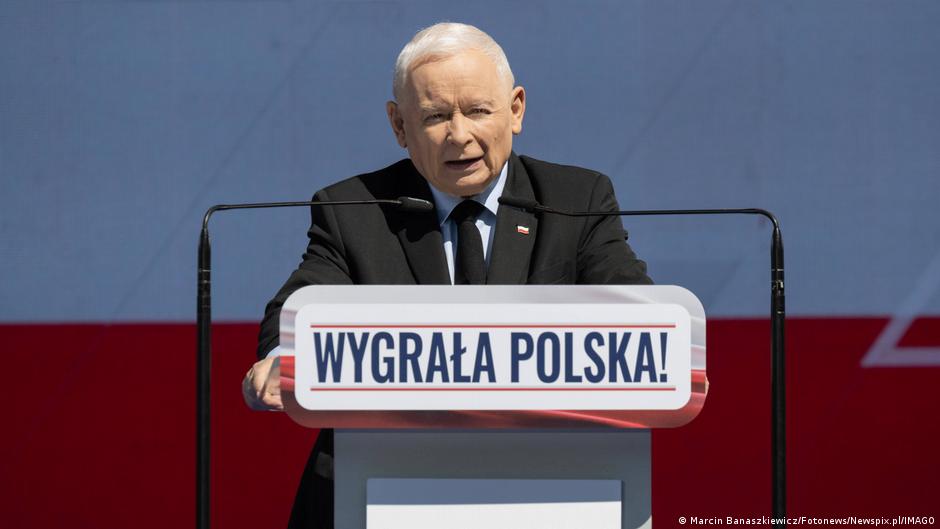
Polish opposition leader Jarosław Kaczyński urges blocking Ukraine's EU accession, citing diplomatic tensions and domestic political concerns amid ongoing regional challenges.

Russian anti-war activist Ilya Shkolny was granted asylum in Germany after multiple rejections, highlighting challenges for political refugees amid ongoing geopolitical tensions.

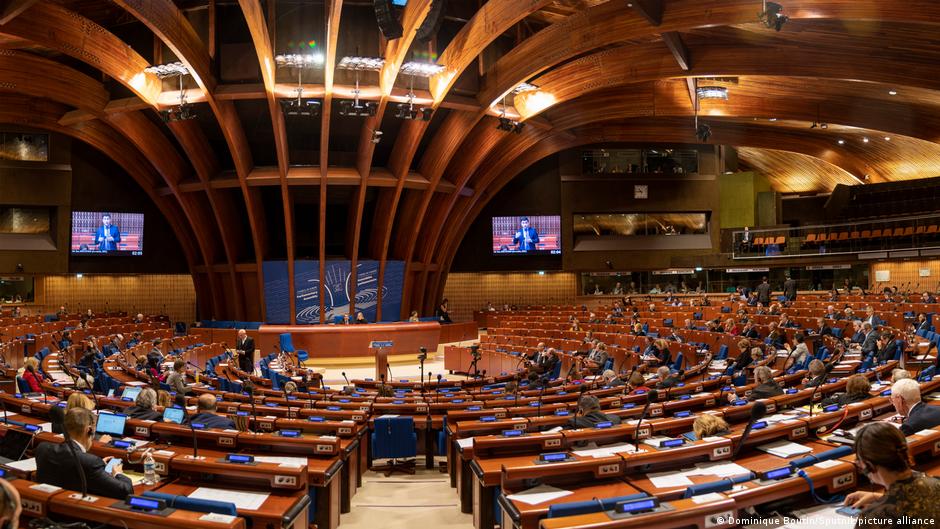
The Council of Europe’s Parliamentary Assembly criticized Georgia for democratic backsliding and urged reforms amid political tensions affecting governance and the digital economy.

US intelligence warns that Israeli Prime Minister Netanyahu may try to disrupt the US-Iran deal, raising concerns about regional stability and potential impacts on fintech and digital economy sectors.

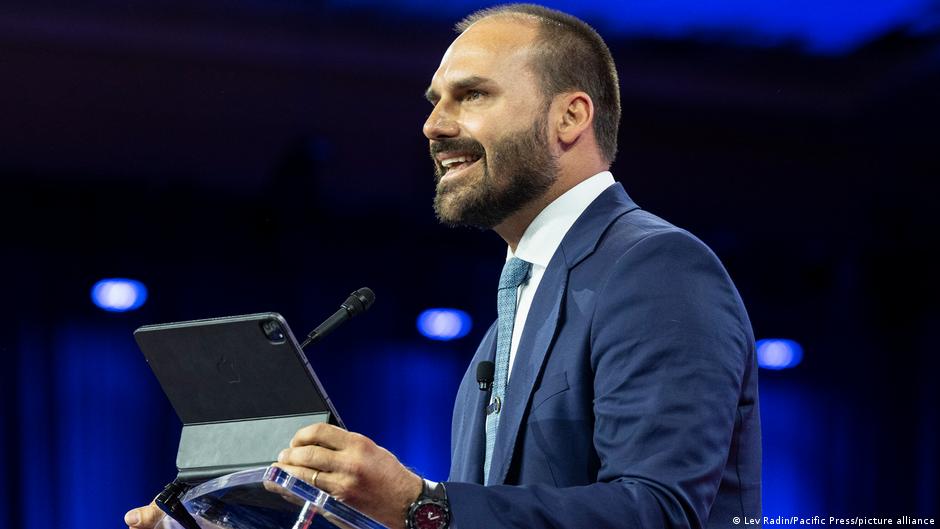
Eduardo Bolsonaro was sentenced to over four years for lobbying US sanctions against Brazil, highlighting political risks that could affect Brazil's fintech and digital economy sectors.

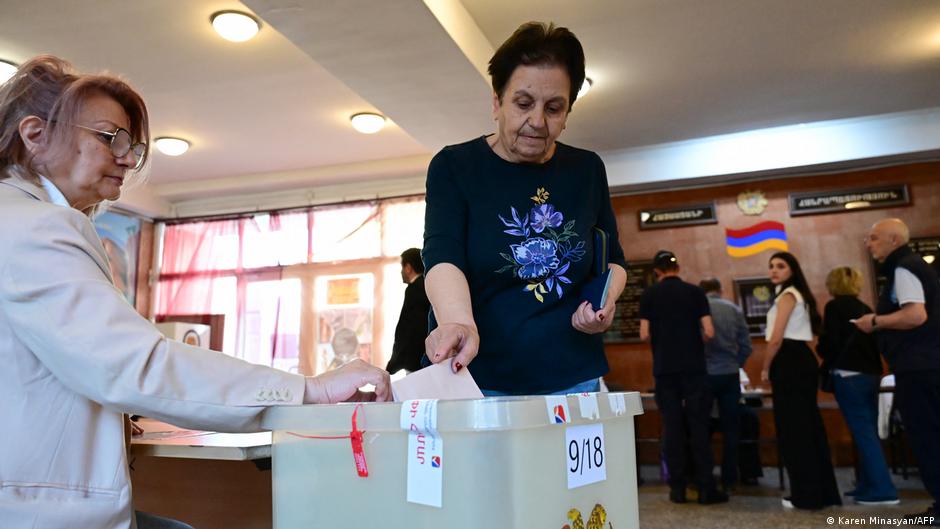
Armenia's Central Electoral Commission conducted a recount on 637 polling stations after opposition complaints, adjusting vote totals for major political blocs ahead of final results.

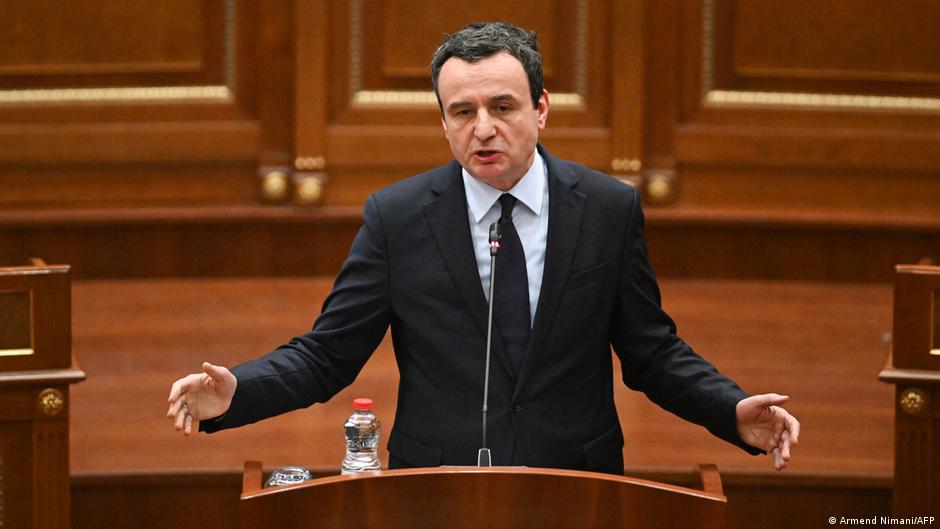
Kosovo’s Vetëvendosje party wins snap elections with 43%, but must form a coalition amid political instability affecting digital economy reforms and fintech development.

Armenia’s recent parliamentary elections reinforce Prime Minister Pashinyan’s EU-oriented agenda, with major implications for the country’s fintech, digital banking, and cybersecurity sectors.

Putin warns Armenia of tariff hikes and economic sanctions if it leaves the Eurasian Economic Union, urging a referendum amid rising geopolitical tensions and trade restrictions.

Sources close to Chancellor Friedrich Merz deny rumors of his early replacement, stressing constitutional complexities amid political challenges affecting Germany's digital economy.

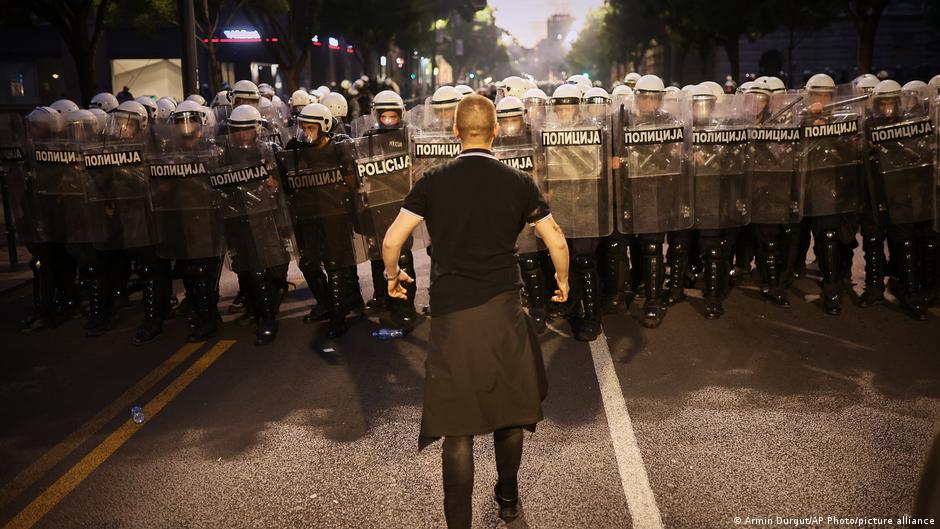
Violent clashes erupted in Belgrade during student protests against the Serbian government, raising concerns over political stability and its impact on the digital economy and fintech sector.

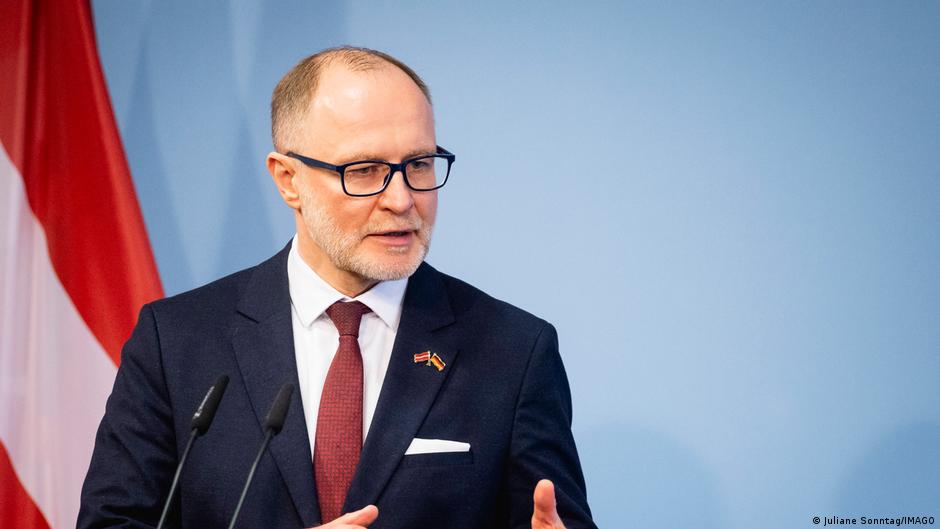
Latvia's ruling coalition collapses after Defense Minister resigns, raising concerns about governance stability and implications for fintech, cybersecurity, and digital economy policies.

Jean-Luc Mélenchon confirms his candidacy for France's 2027 presidential election, highlighting potential impacts on fintech regulation and digital economy policies.

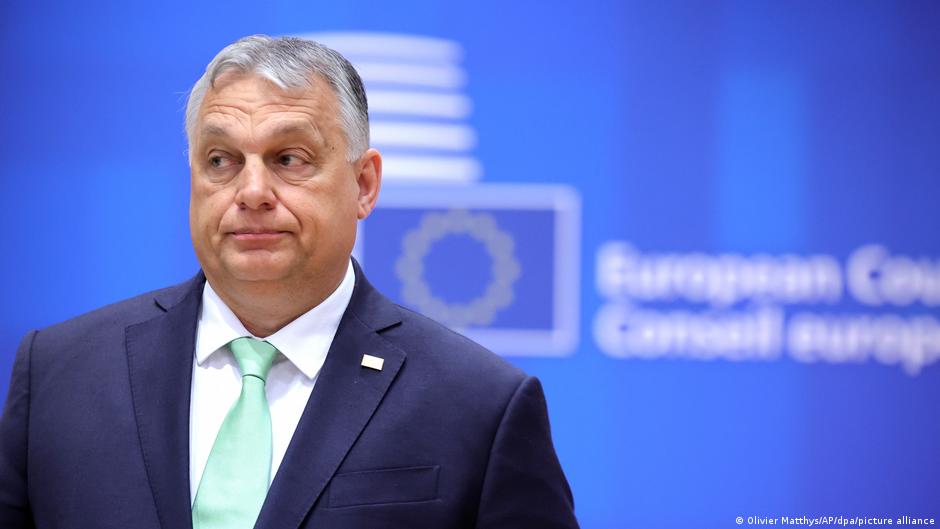
Outgoing Hungarian PM Viktor Orban declines parliamentary mandate amid leadership changes and new government plans to reverse key policies affecting EU relations and digital economy prospects.