Latvia's Government Collapse Highlights Risks for Digital Economy Policies Amid Political Turmoil
Resignation of Latvia’s Defense Minister triggers coalition breakdown, raising uncertainties for fintech, cybersecurity, and digital governance initiatives.
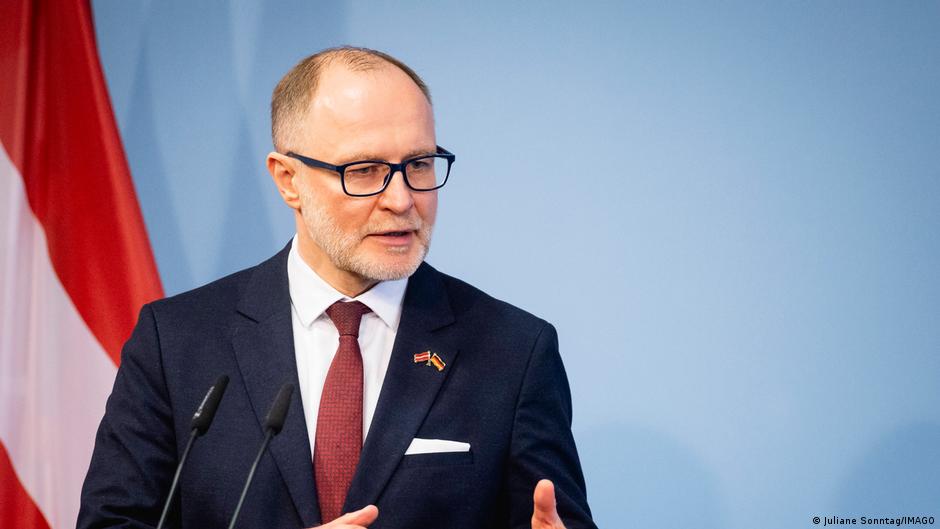
Latvia’s ruling coalition has collapsed following the resignation of Defense Minister Andris Spruds, an event that casts a shadow over the Baltic nation's fintech and digital economy sectors. The coalition, comprising the New Unity party, the Progressives, and the Union of Greens and Farmers, disintegrated amid concerns about national security after unauthorized drone incursions into Latvian airspace.
Political Unrest and Implications for Digital Stability
On May 13, 2024, the Progressives, led by faction head Andris Šuvajev, declared Prime Minister Evika Siliņa’s government dysfunctional after failing to receive satisfactory answers on key governance issues. They warned that either the Prime Minister would resign due to lost public trust or the parliament would force a vote of no confidence. The Union of Greens and Farmers has also sided with this assessment.
Šuvajev urged President Edgars Rinkēvičs to initiate consultations for forming a new government but noted that the Progressives would not immediately withdraw their ministers from the cabinet. However, opposition parties are preparing to initiate a parliamentary vote of no confidence, which could further destabilize the government.
The collapse follows the May 10 resignation of Defense Minister Spruds, a Progressives member, after two drones breached Latvian airspace—apparently en route from Ukraine to Russia. Prime Minister Siliņa expressed a loss of trust in Spruds and criticized military leadership for failing to ensure airspace security.
In response, Siliņa proposed appointing a career military officer, Colonel Raivis Melnis, to lead the Defense Ministry. Although she invited the Progressives to continue coalition cooperation, they requested more time to deliberate.
"Latvia cannot afford instability five months before parliamentary elections," President Rinkēvičs stated, emphasizing the need for a decisive government to strengthen the nation’s defense amid European tensions.
The political uncertainty poses challenges for Latvia’s digital economy, particularly in areas of cybersecurity and fintech innovation. Robust digital policies rely on stable governance to foster investor confidence and ensure regulatory continuity. The Defense Ministry’s recent security lapse underscores vulnerabilities that could impact cyber defense strategies critical for protecting financial infrastructures and digital payment systems.
Latvia’s fintech sector, known for its dynamic growth and integration with EU digital markets, could face delays in regulatory reforms due to the political standoff. Cybersecurity initiatives, vital to safeguarding digital banking and crypto assets, may also experience setbacks as government focus shifts toward political stabilization.
President Rinkēvičs plans to convene parliamentary faction leaders on May 15 to discuss constructive solutions to the crisis. Parties are expected to propose paths forward that would restore governance stability and allow Latvia to continue advancing its digital economy objectives without interruption.
In summary, Latvia’s political upheaval following the Defense Minister’s resignation not only disrupts traditional governance but introduces uncertainty into the country’s efforts to enhance digital infrastructure, fintech innovation, and cyber resilience. As European security dynamics evolve, Latvia’s ability to maintain a stable government will be crucial in safeguarding both national security and the integrity of its digital economic ecosystem.