Saudi Pipeline Shutdown Threatens Oil Supply Shock Across Digital Markets
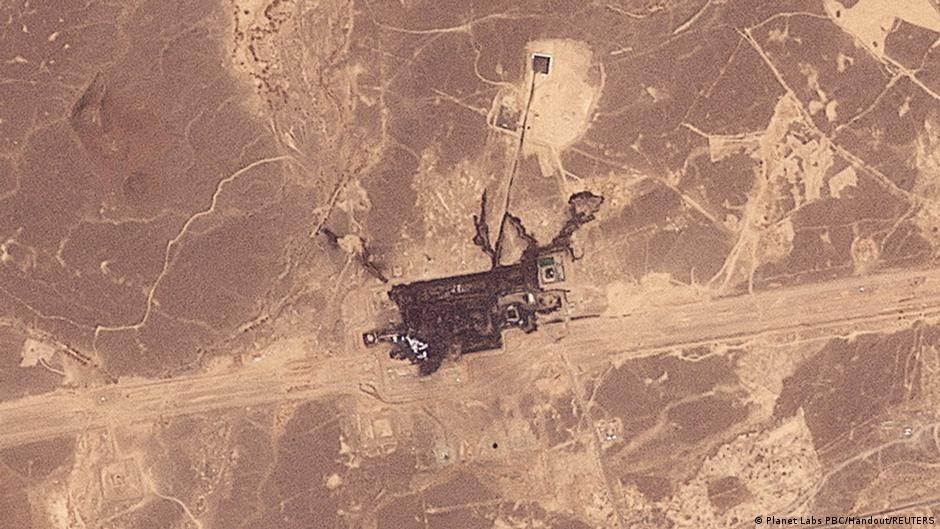
A Saudi pipeline halt could cut global oil supply by 4%, raising volatility risks for fintech, crypto, digital banking and tech stocks.

A Saudi pipeline halt could cut global oil supply by 4%, raising volatility risks for fintech, crypto, digital banking and tech stocks.

European leaders reacted sharply to AfD’s projected win in Saxony-Anhalt, a result that could heighten political risk for fintech and digital markets.

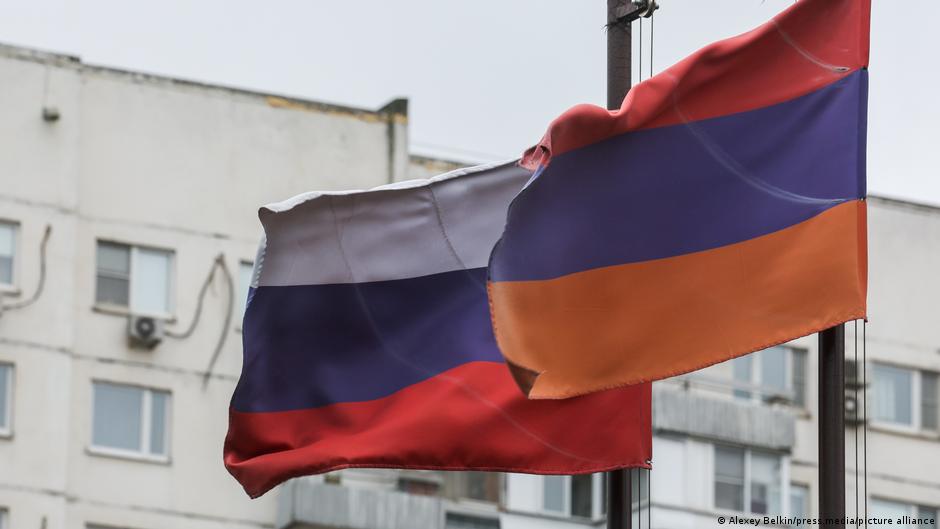
Putin told Pashinyan that Armenia’s move toward EU membership would amount to leaving the EEU, escalating a dispute with implications for trade and finance.

The US removal of Syria from the terrorism sponsor list opens pathways for economic integration, fintech growth, and digital banking expansion amid complex regional geopolitics.

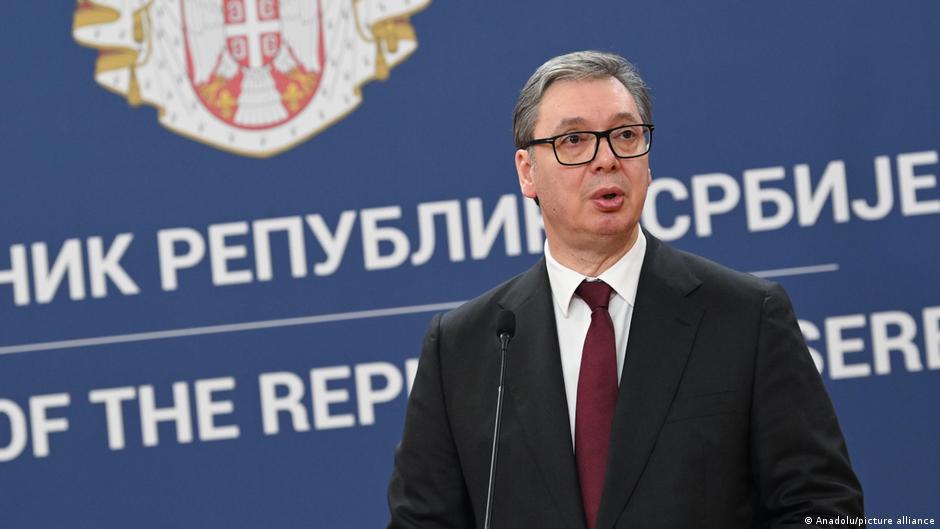
Serbia will hold early parliamentary elections in October 2023 amid widespread protests demanding government accountability and anti-corruption measures.

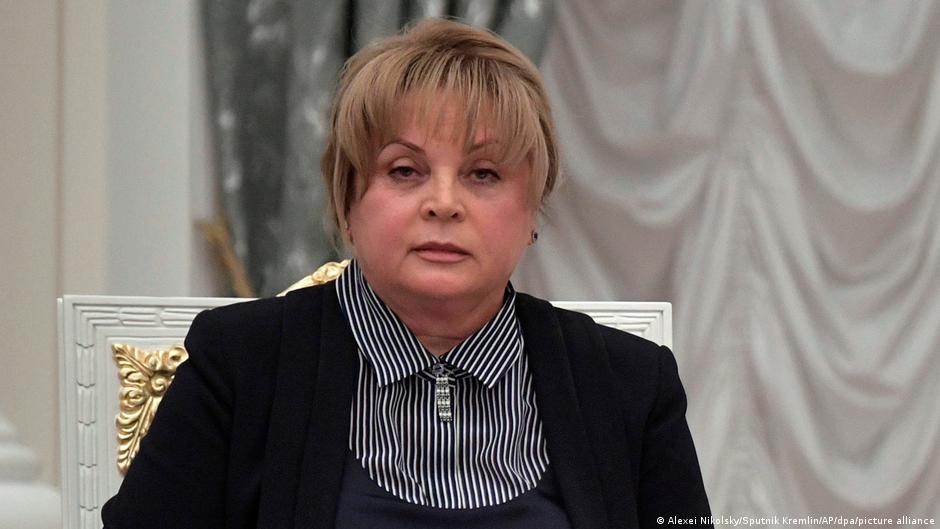
Russia’s election chief supports removing voting rights for emigrated citizens labeled as "foreign agents," raising implications for election security and digital governance.

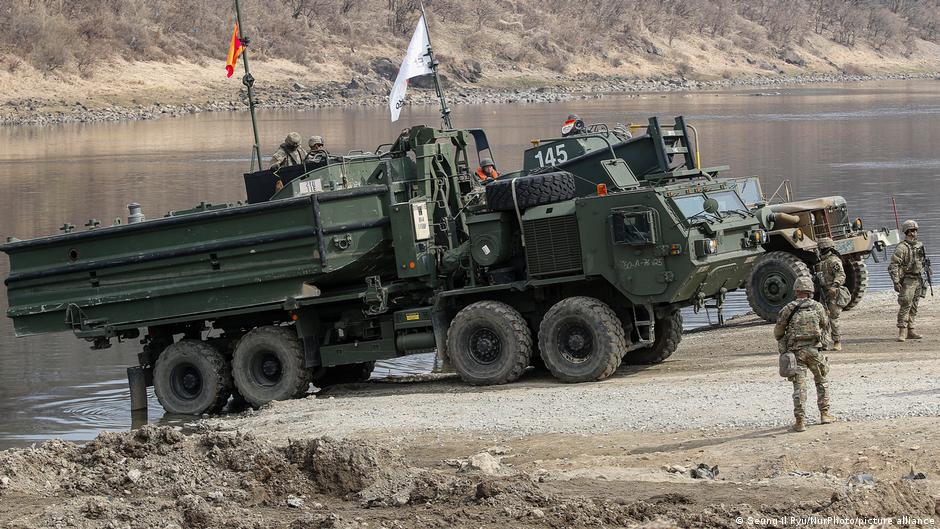
The US will reduce joint military exercises with South Korea, citing costs and diplomacy with North Korea, impacting regional stability vital to fintech and cybersecurity sectors.

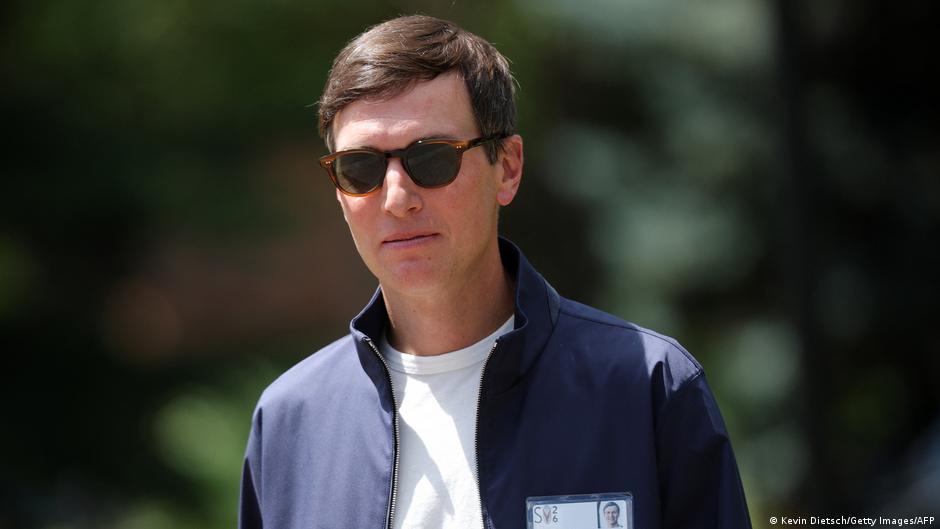
Jared Kushner’s talks with Hamas leaders highlight how Middle East geopolitical tensions affect fintech, digital banking, and cybersecurity amid ongoing Gaza conflict.

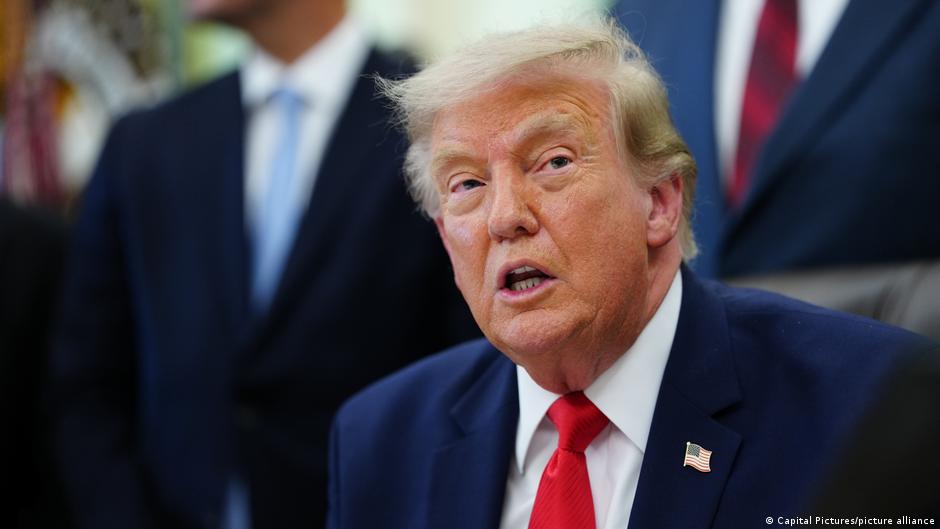
The US announces a historic agreement with Hamas for full disarmament, marking a key step toward peace and potential growth in the region's digital economy and fintech sectors.

Greece's spike in Schengen visa denials for Russians challenges travel and fintech sectors amid stricter EU security policies impacting payments and digital banking.

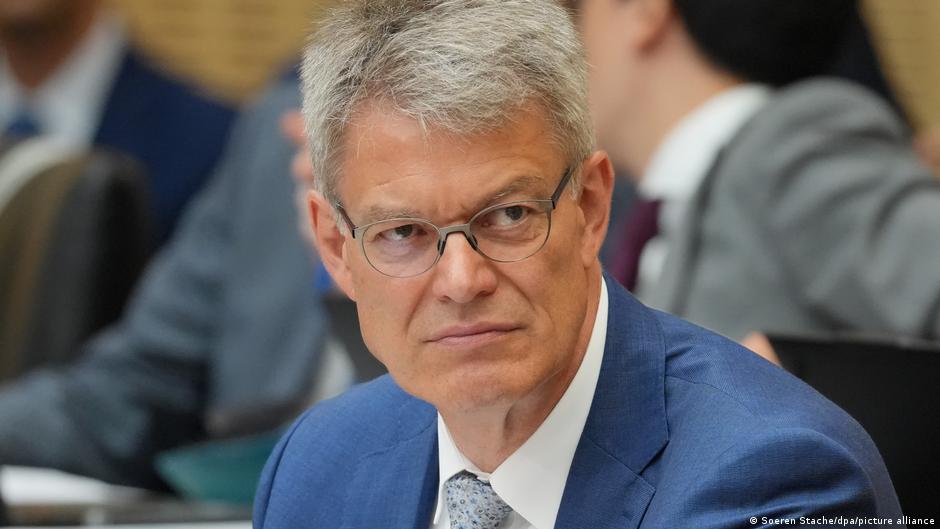
Germany’s Transport Minister Patrick Schnieder resigns amid political tensions; Chancellor Friedrich Merz to nominate Steffen Bilger as successor, with key transport and digital economy decisions pending.

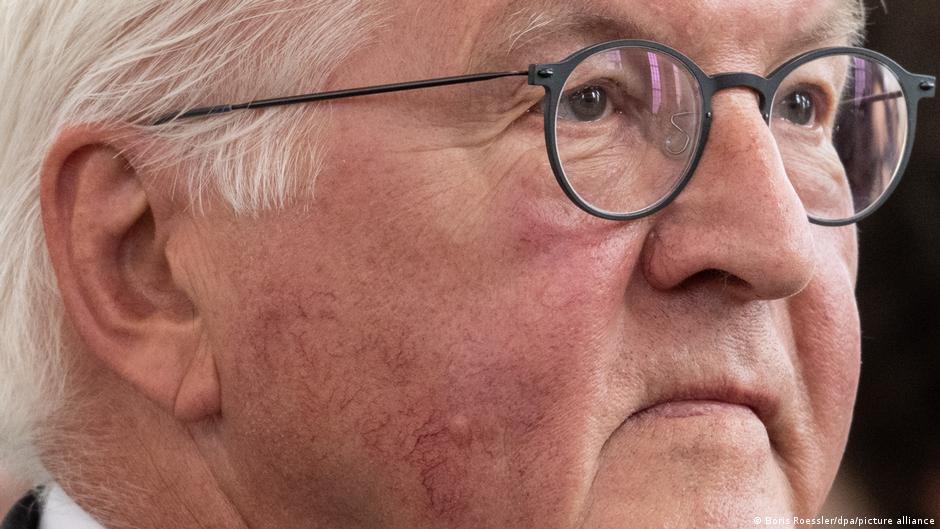
German President Steinmeier urges Europe to uphold international order amidst geopolitical challenges, emphasizing the impact on digital economy, fintech, and cybersecurity.
Former Spanish PM Mariano Rajoy's comments on France's football team sparked a digital backlash, highlighting challenges for reputational management in the fintech age.

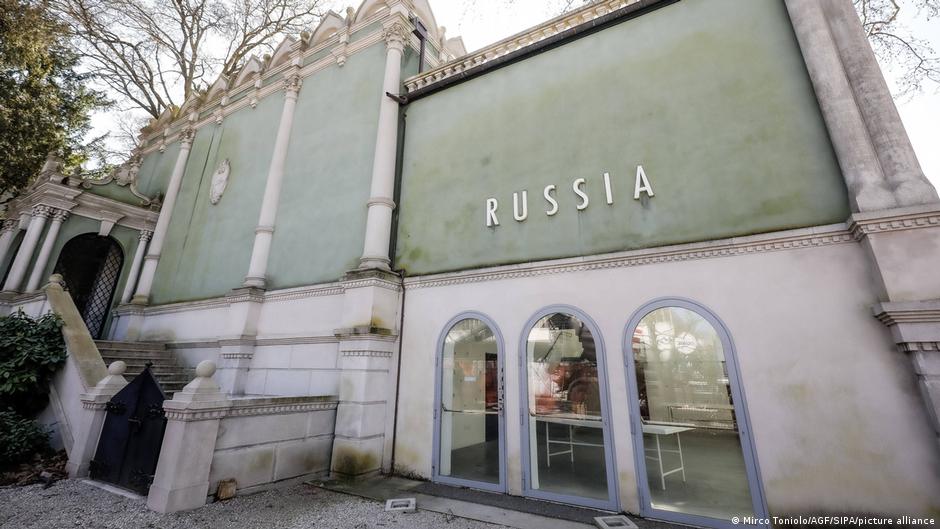
The EU recommends cutting €2 million funding to the Venice Biennale due to Russia's participation amid sanctions concerns, highlighting challenges at the intersection of culture, politics, and finance.

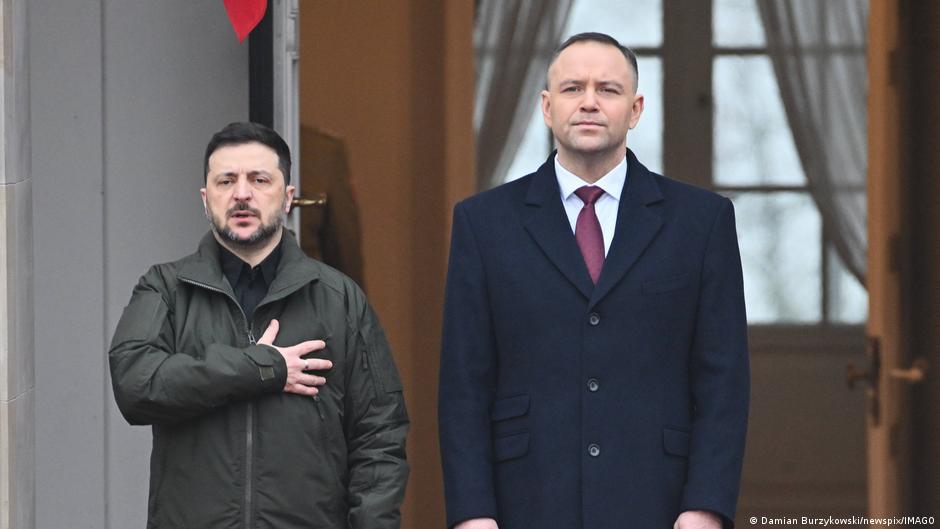
Ukraine’s Zelensky proposes a National Pantheon and European Order amid tensions with Poland, affecting regional digital economy cooperation and fintech development.

The Communist Party of Austria wins Graz municipal elections, emphasizing housing policy and moderate governance, highlighting local political trends impacting urban fintech and digital economy sectors.

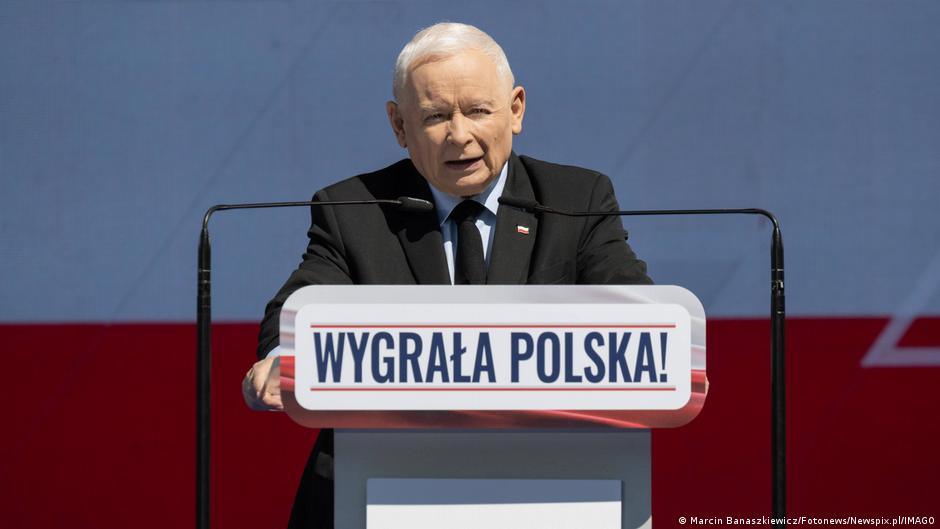
Polish opposition leader Jarosław Kaczyński urges blocking Ukraine's EU accession, citing diplomatic tensions and domestic political concerns amid ongoing regional challenges.

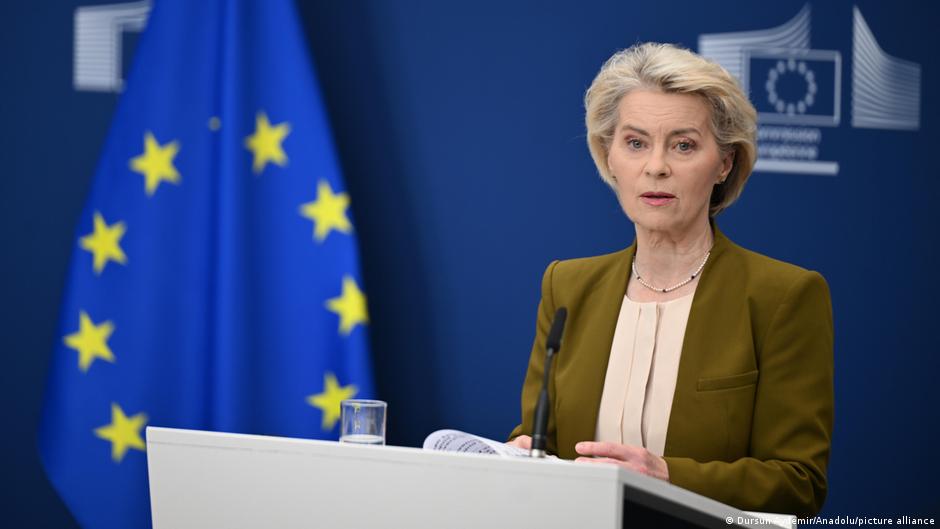
France and Italy question the EU's proposed ban on Russian combatants' entry, fearing it may extend to all Russian nationals, complicating fintech compliance amid sanctions.

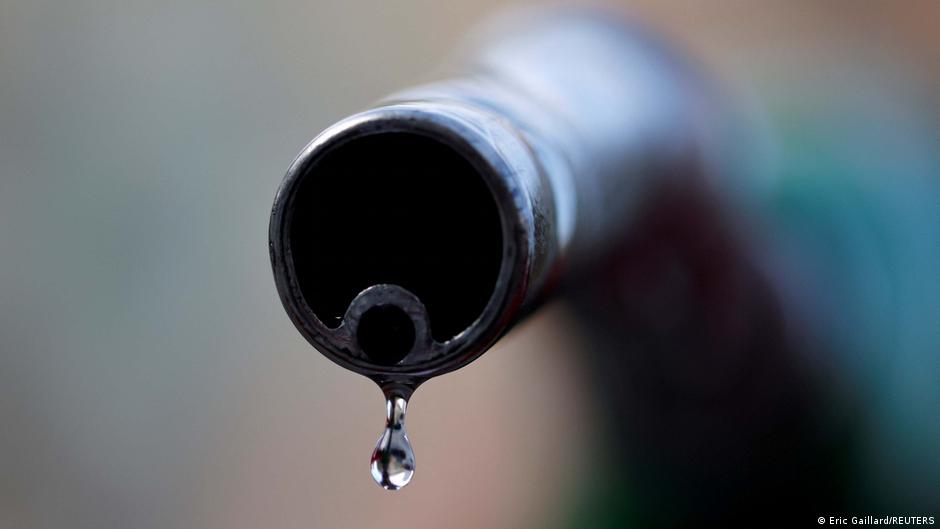
Russia imposes fuel purchase limits in 53 regions due to refinery attacks, disrupting oil production and challenging digital payment systems linked to fuel sales.

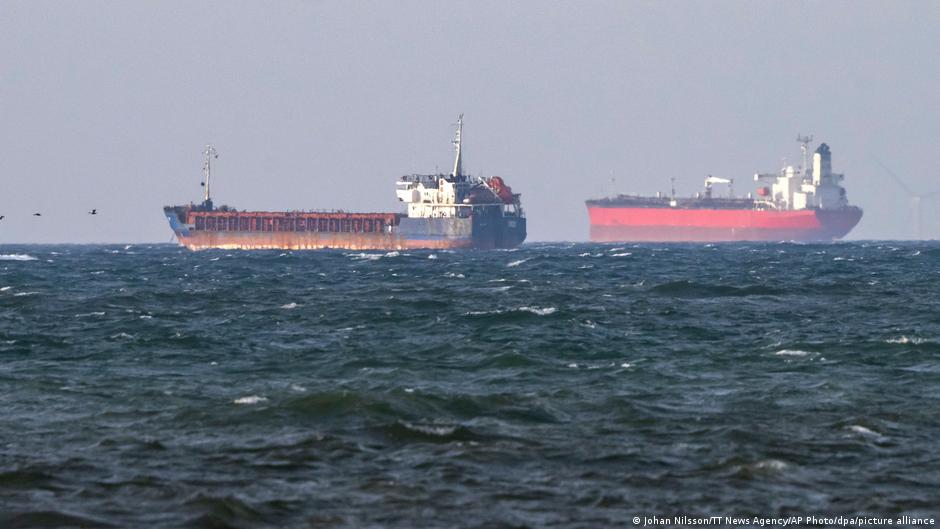
The US and Iran agreed on a communication channel to prevent incidents in the Strait of Hormuz, aiming to finalize broader agreements within 60 days, impacting regional security and fintech sectors.

The US may impose fees on ships passing through the Strait of Hormuz amid Iran deal uncertainty, affecting energy trade and digital payment systems in a key maritime corridor.

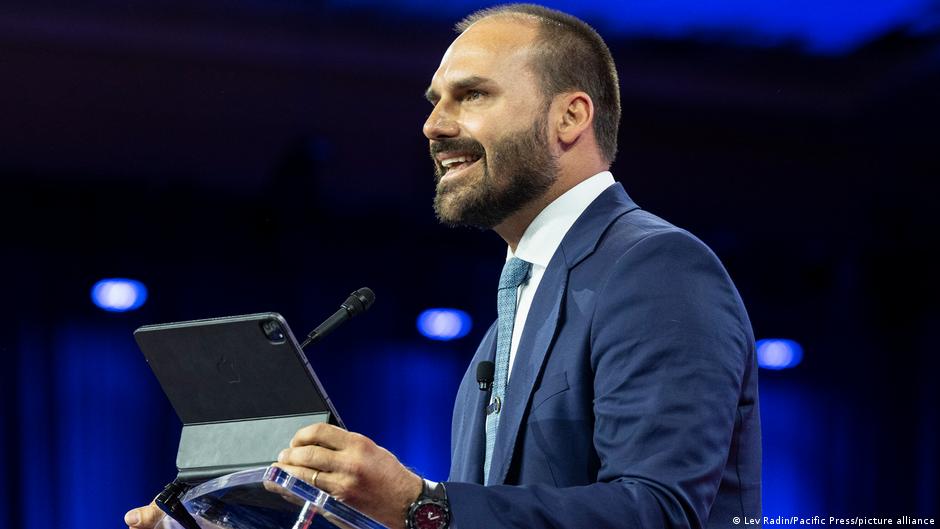
Eduardo Bolsonaro was sentenced to over four years for lobbying US sanctions against Brazil, highlighting political risks that could affect Brazil's fintech and digital economy sectors.

22 countries, including the US and Europe, condemn Iran's IRGC for orchestrating attacks on dissidents and Jewish communities, with major cybersecurity and fintech implications.

Germany pledges an additional €300 million to support the Czech initiative supplying 50,000 rounds of ammunition to Ukraine amid fewer NATO donors.

Georgia arrests Russian Tatiana Kurashkevich over sanctions evasion amid FBI request, spotlighting risks in cross-border fintech compliance and financial crime enforcement.

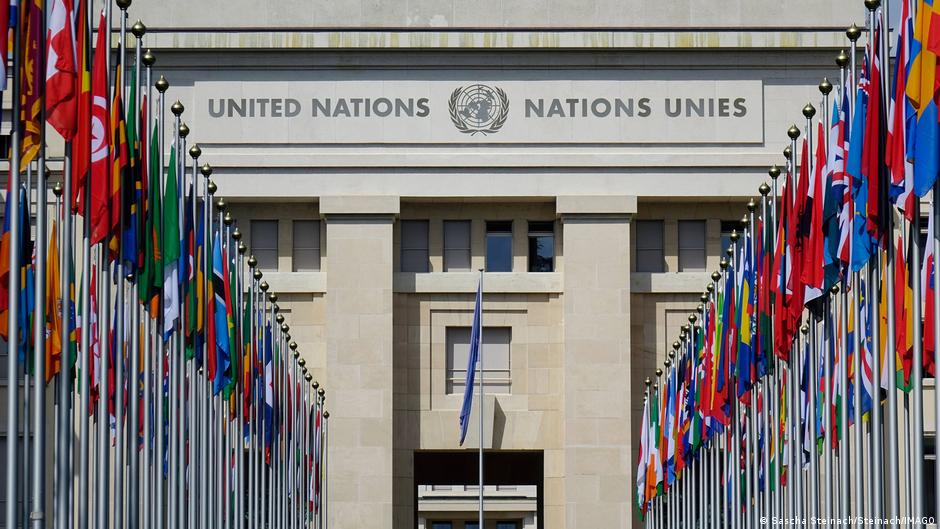
Delayed payments from the US and China threaten the UN's budget stability, forcing drastic cuts and operational changes with broader fintech sector implications.

Russian director Andrei Zvyagintsev's anti-war speech at Cannes was silenced by the Kremlin, highlighting millions of Russians' lack of voice amid ongoing conflict.

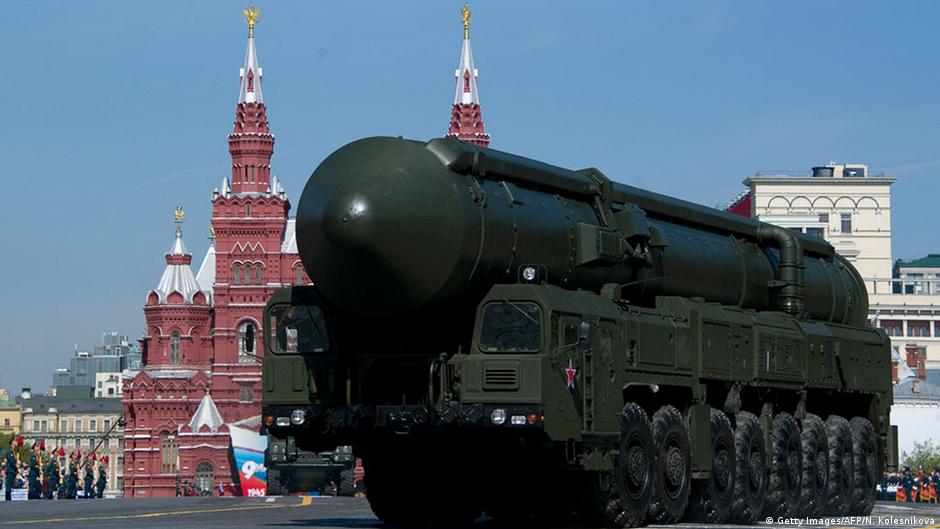
NATO intelligence reveals Russia's secret 'Skif' project to deploy nuclear-capable ballistic missiles on the sea floor, posing new strategic and security challenges.

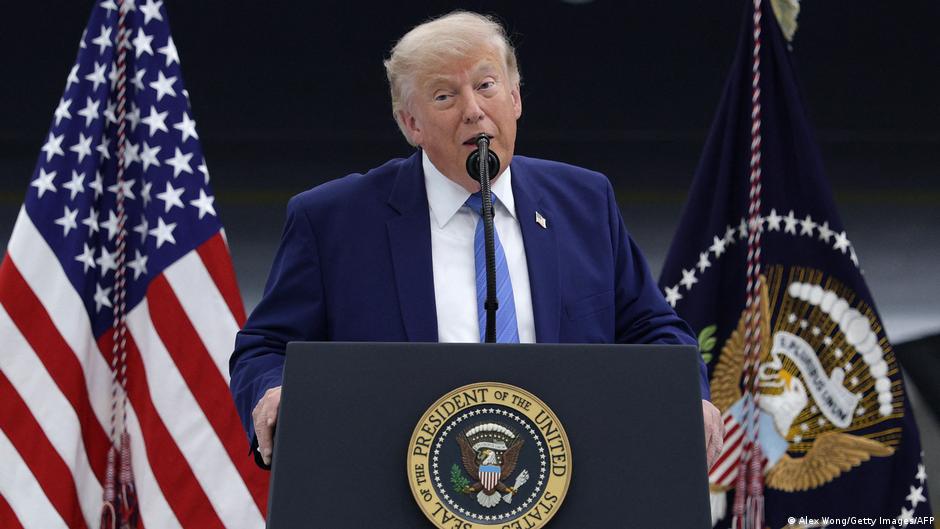
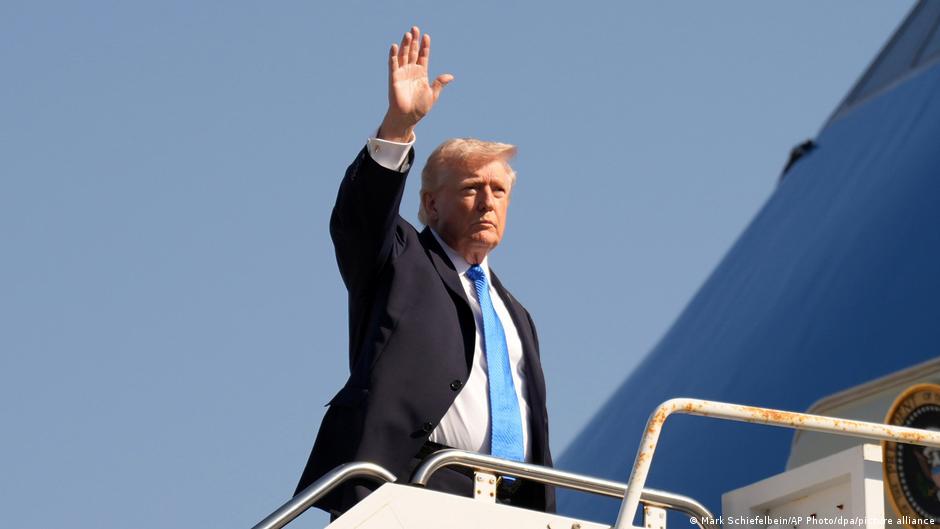
Florida’s Palm Beach International Airport will be renamed after President Trump, changing its IATA code to DJT, reflecting growing intersections between politics and digital infrastructure.

Ukraine imposes sanctions on 32 Russian firms and 34 individuals tied to military production, extending measures to curb Russia's defense supply chains and financial networks.

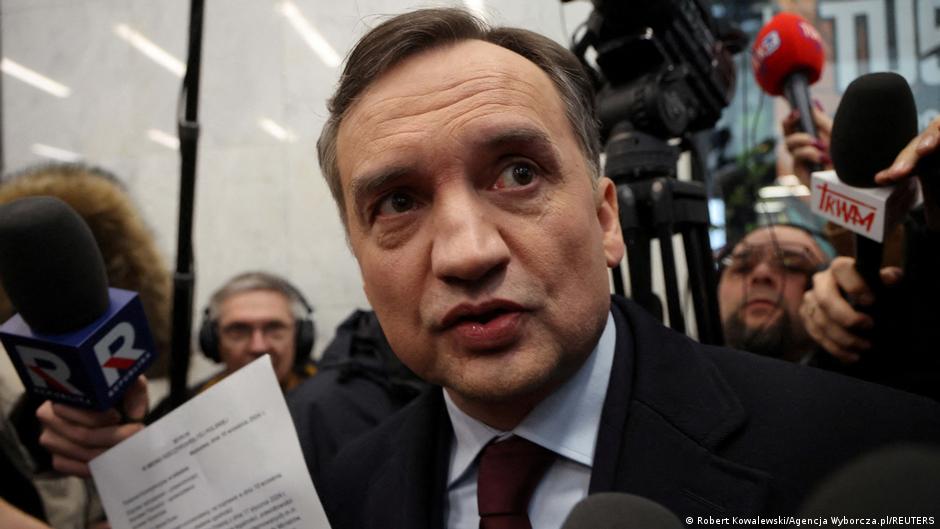
Following Hungary's political shift, former Polish Justice Minister Zbigniew Ziobro, wanted for corruption, has relocated to the US, raising fintech and cybersecurity concerns.

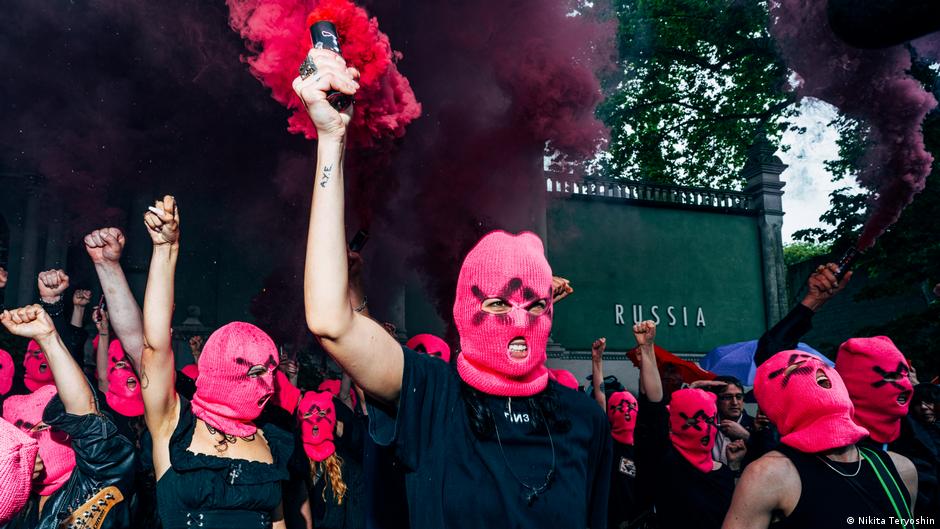
Pussy Riot and Femen protested the Russian pavilion at the Venice Biennale, demanding representation by pro-Ukrainian political prisoners amid EU sanctions and geopolitical tensions.

Jean-Luc Mélenchon confirms his candidacy for France's 2027 presidential election, highlighting potential impacts on fintech regulation and digital economy policies.

The US will issue special passports bearing President Trump's portrait to mark the 250th Independence anniversary, signaling new trends in digital identity and secure documentation.

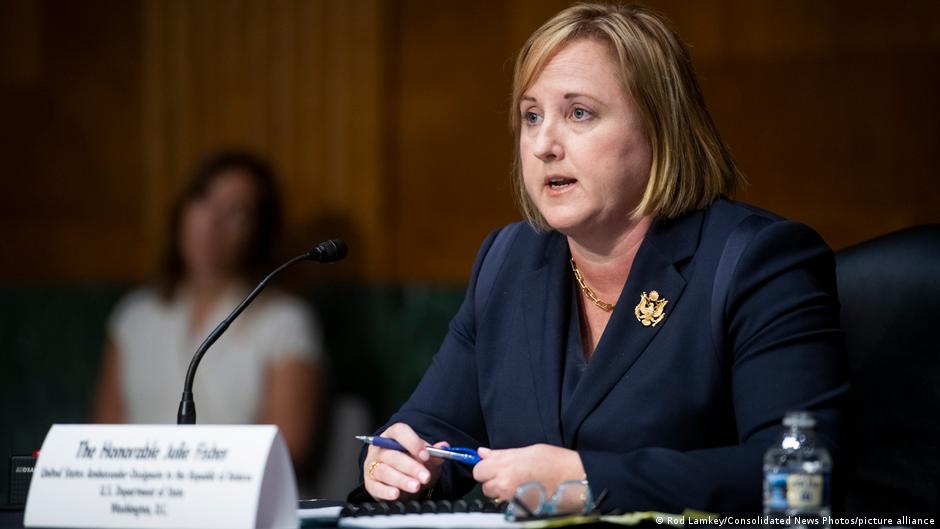
US Chargé d’Affaires Julie Davis to leave Kyiv amid tensions with Trump policies, raising concerns over diplomatic stability and impacts on Ukraine’s digital economy.

Germany links recent phishing attacks on Signal messenger users, including politicians and journalists, to Russian operatives, highlighting cybersecurity challenges in government communications.

The US-mediated truce extension between Israel and Lebanon offers potential stability to enhance fintech and digital economy growth in the region.

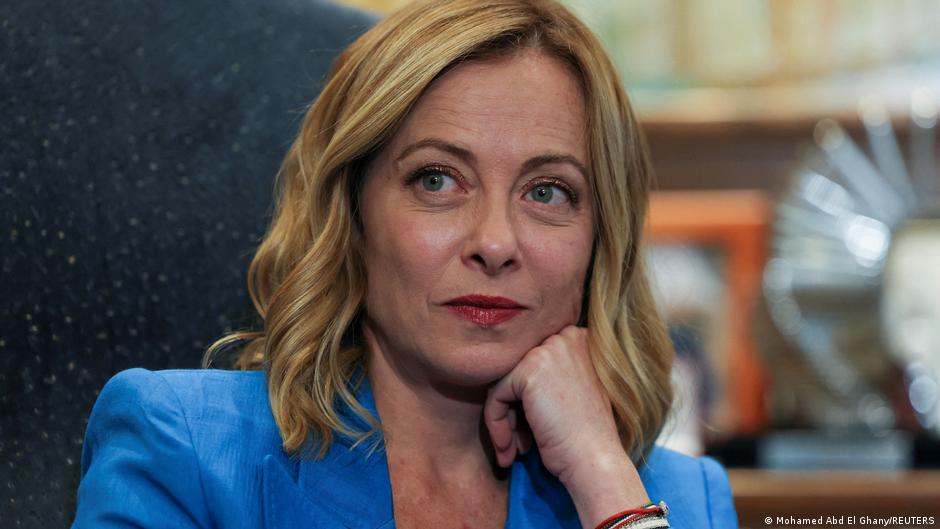
Italian PM Giorgia Meloni condemns Russian TV host Solovyov's insults amid diplomatic backlash, emphasizing Italy's independent foreign policy and political unity.

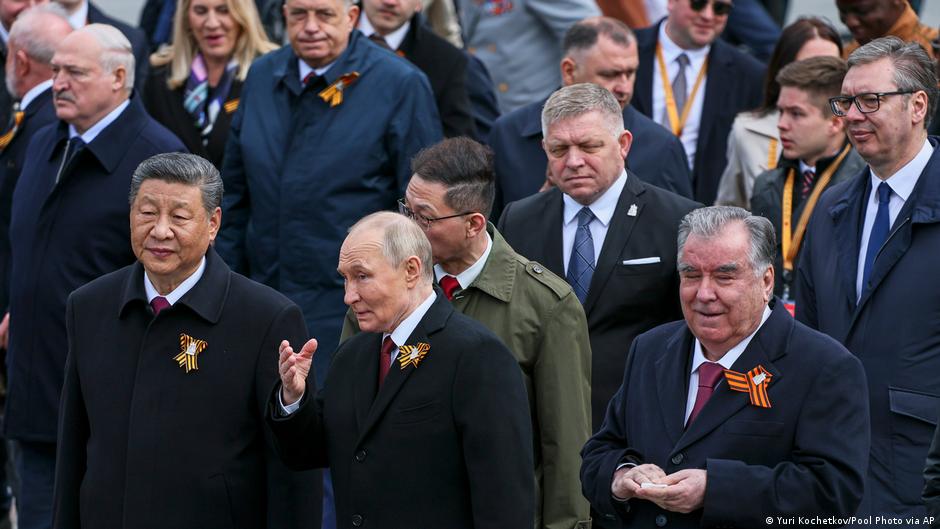
Lithuania and Latvia have blocked Slovak PM Robert Fico’s flight to Moscow on May 9, reflecting geopolitical tensions impacting European airspace and regional fintech sectors.

The US has extended its waiver on sanctions for Russian oil shipments until May 16, raising concerns about sanction evasion and implications for fintech compliance and digital payments.

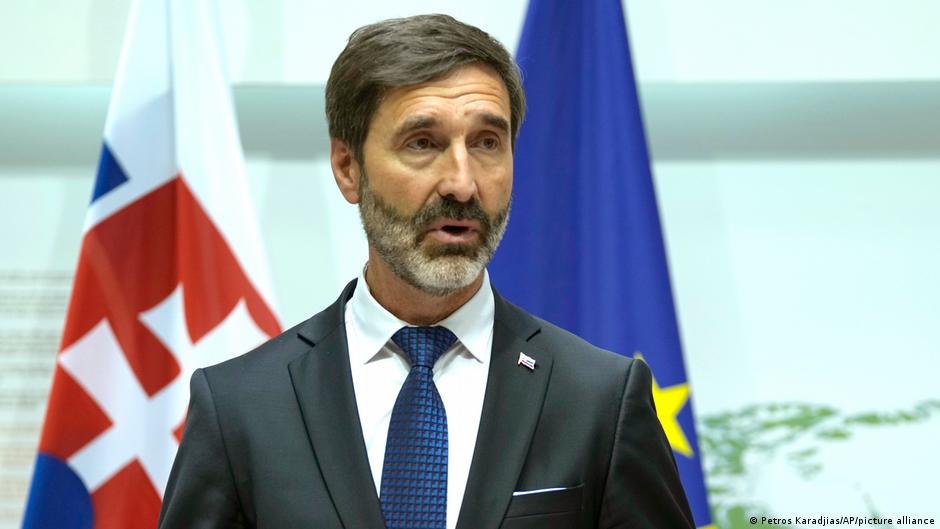
Slovakia will block the EU's 20th sanctions package on Russia until Russian oil flows resume via the Druzhba pipeline through Ukraine, impacting EU energy and financial policies.

The Trump administration wants GM, Ford and other manufacturers to help produce weapons, echoing WWII-era industrial mobilization.