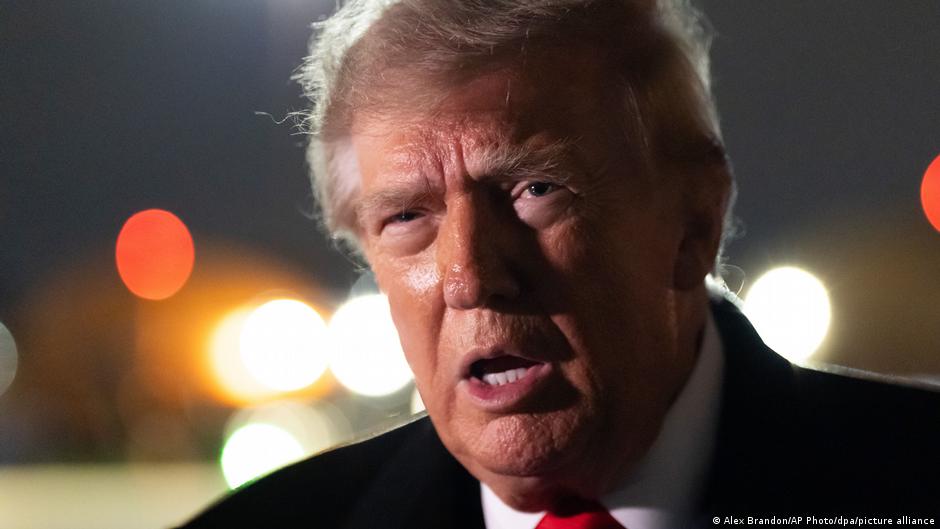
Palm Beach International Airport Renamed After President Trump with New DJT Code
Florida’s Palm Beach International Airport will be renamed for President Donald Trump, changing its IATA code to DJT starting July 9.
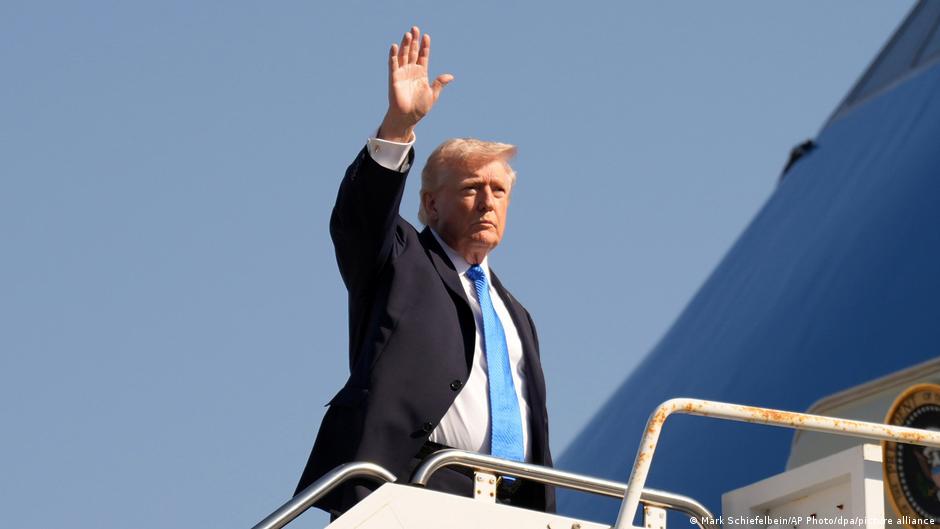
In a notable move blending politics and symbolic branding, Palm Beach International Airport in Florida will be renamed in honor of the incumbent U.S. President Donald Trump from July 9. Alongside the renaming, the airport’s three-letter International Air Transport Association (IATA) code will be updated from PBI to DJT, reflecting the president’s initials.
Implications for Aviation and Digital Identification Systems
The renaming of Palm Beach International Airport is more than a ceremonial change; updating an airport’s IATA code involves intricate coordination within global aviation and digital logistics systems. IATA codes are critical identifiers in airline ticketing, baggage handling, flight planning, and air traffic control databases worldwide. Altering PBI to DJT requires software and database updates across airlines, airport management systems, travel agencies, and cybersecurity frameworks.
Sean Duffy, the U.S. Secretary of Transportation, confirmed the code change. The new DJT identifier will be integrated into reservation systems, e-ticketing platforms, and real-time flight tracking technologies, showcasing how political decisions can directly impact fintech and digital infrastructure in aviation.
"Changing an airport's IATA code is a complex technical task affecting numerous digital platforms and data security protocols," aviation IT experts note.
Moreover, Palm Beach is home to Mar-a-Lago, President Trump’s Florida residence and a venue for diplomatic meetings, which adds a geopolitical dimension to the airport’s rebranding.
Broader Context: Trump's Digital and Numismatic Presence
This airport renaming aligns with other recent initiatives to associate the Trump brand with U.S. national symbols and infrastructure. The U.S. Department of State recently named the U.S. Institute of Peace after Trump, while the John F. Kennedy Center for the Performing Arts was renamed to include Trump’s name.
Additionally, in a significant intersection of politics, culture, and digital security, a commemorative series of passports featuring President Trump’s portrait and golden signature will be issued for the 250th anniversary of U.S. independence. The passport’s design involves advanced printing technologies that secure identity documents against fraud and cyber threats—areas critical to fintech and digital identity management.
Trump’s signature will also appear on $100 bills, and a 24-karat gold coin bearing his image and the word "Liberty" has received approval for release by the U.S. Commission of Fine Arts. These moves not only have symbolic weight but also open discussions about the security and traceability of currency and collectible assets in digital finance.
The announcement of two new U.S. Navy vessels named after Trump further cements his influence on government asset branding, which may extend into defense contracting and technology sectors.
This series of rebrandings and digital asset issuances highlights the convergence of politics with fintech, digital identity, cybersecurity, and asset tokenization, illustrating how political figures can impact diverse sectors including payments, digital banking, and tech stock valuations.