Prominent Russian Director's Anti-War Appeal Highlights Silencing of Millions Amid Conflict
Andrei Zvyagintsev's Cannes award speech condemning the Ukraine war met with Kremlin refusal to relay his message to Putin.
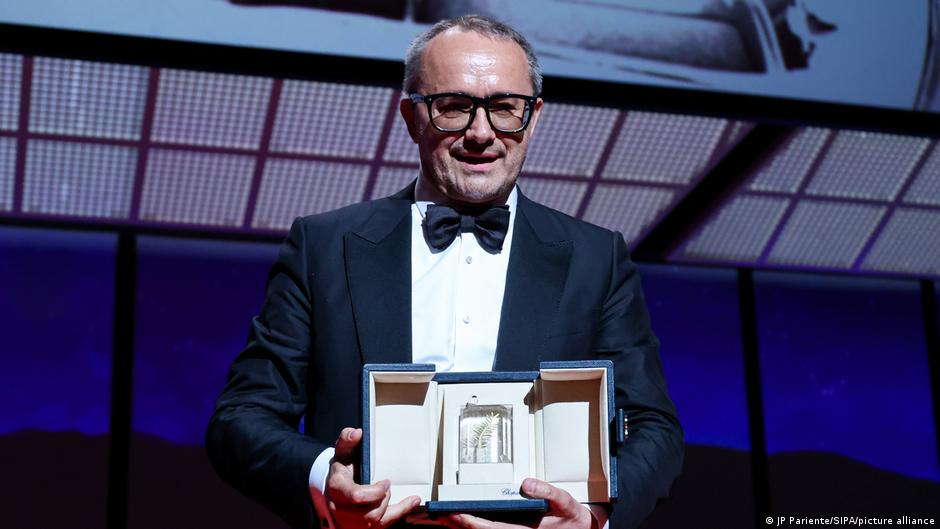
At the 2023 Cannes Film Festival, acclaimed Russian director Andrei Zvyagintsev delivered a powerful anti-war message calling on President Vladimir Putin to end the ongoing conflict in Ukraine. Despite receiving the prestigious Grand Prix for his film "The Minotaur," Zvyagintsev's plea was met with dismissal from the Kremlin, highlighting the broader issue of restricted public discourse in Russia.
Silenced Voices and Political Repercussions
During his acceptance speech on May 23, Zvyagintsev addressed the humanitarian toll of the war, emphasizing that millions on both sides of the front line long for peace. He urged President Putin that he alone has the authority to stop the relentless violence, stating, "The whole world is waiting for this." The audience responded with applause, underscoring the resonance of his words in international circles.
However, Dmitry Peskov, the Kremlin's press secretary, rejected the director's anti-war appeal, refusing to forward it to Putin. Peskov dismissed Zvyagintsev's criticism by alleging the director lacked the moral authority to speak out, citing his alleged failure to condemn earlier conflicts related to Donbas since 2014. "If he had done so back then, perhaps he would have a right to speak now. But he does not," Peskov stated at a May 25 briefing.
Furthermore, Peskov explicitly declined to pass Zvyagintsev's message to the President and expressed skepticism that anyone else would do so. This response reflects the Kremlin’s broader control over dissenting voices and the suppression of anti-war opinions within Russia.
"Yes, it is true that I have no voice, just as millions of Russians do not today. Because you have never truly heard them," Zvyagintsev responded, referencing the repeated marginalization of Russian citizens who oppose the war.
In his public statement, Zvyagintsev lamented the ongoing conflict's devastating consequences: the endless grief, shattered lives, loss of young people critical for the country's future, and the futility of the war’s objectives. He called for immediate action based on principle to end the "senseless and merciless war" rather than continued rhetoric and division.
This episode illustrates the complex intersection of art, politics, and digital communication in Russia's current digital and informational environment. The Kremlin's refusal to engage with anti-war voices like Zvyagintsev's limits the potential for open dialogue and complicates prospects for peace, while also impacting public sentiment and international perceptions of Russia's political climate.
As digital platforms and fintech ecosystems continue to evolve globally, state control over information flow in Russia has significant implications for cybersecurity, digital banking transparency, and the broader digital economy. The suppression of dissent restricts not only political discourse but also the free flow of information critical to innovation and economic resilience in the fintech sector.
Ultimately, Zvyagintsev’s experience underscores the challenges faced by influential figures attempting to leverage their platforms for social change in a tightly controlled digital and political landscape.