US Chargé d’Affaires in Ukraine to Leave Amid Political Tensions Affecting Diplomatic Stability
Julie Davis to depart Kyiv in coming weeks amid reported disagreements with Trump administration policies impacting US-Ukraine relations.
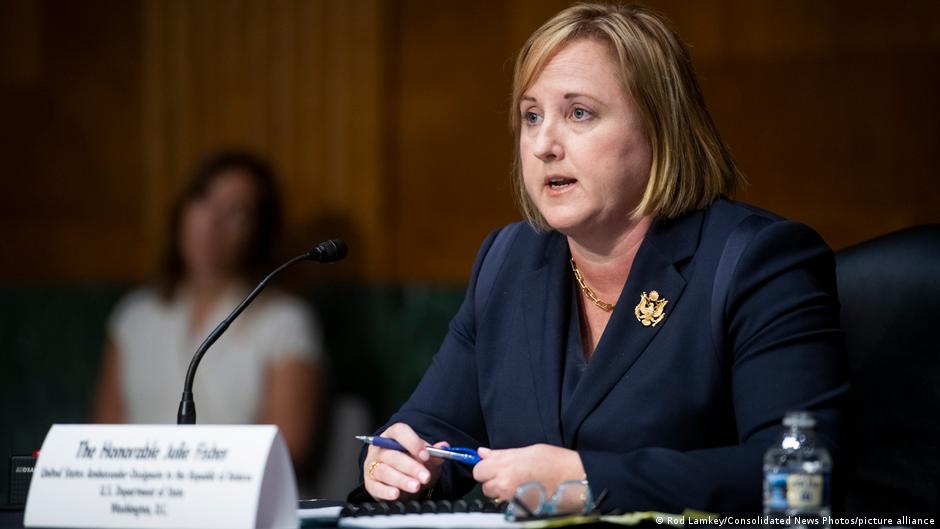
The US Chargé d’Affaires in Ukraine, Julie Davis, is set to leave her post in Kyiv within the coming weeks, according to reports. This departure comes amid reported disagreements with former President Donald Trump, who has reduced US support for Ukraine since his return to office.
Davis has reportedly informed the US State Department of her decision, intending to retire after a 30-year diplomatic career. Despite assertions from the State Department that rumors about her departure due to disagreements with Trump are false, the move highlights ongoing instability in US diplomatic representation in Ukraine during a critical period.
Implications for US-Ukraine Relations and Regional Stability
The departure of Julie Davis will leave a key diplomatic role in Ukraine vacant at a time when Russia is reportedly preparing for a new offensive and peace negotiations have stalled. This diplomatic gap may affect the US’s ability to coordinate support and manage relations within the context of increased geopolitical risks.
Davis previously faced challenges in her diplomatic career, including being denied acceptance as US Ambassador to Belarus in 2021 due to her contacts with Belarusian opposition figures. She subsequently served as the US Special Envoy for Belarus in Lithuania and later as US Ambassador to Cyprus before assuming her role in Ukraine as Chargé d’Affaires in May 2025.
"Her departure reflects the complex political dynamics affecting US diplomatic efforts in Eastern Europe amid shifting US policy approaches."
Earlier in April 2025, US Ambassador to Ukraine Bridget Brink resigned, citing pressure from the Trump administration on Ukraine rather than on Russia, the aggressor in the conflict. Brink’s resignation followed high-level tensions in the White House involving Trump, Vice President James David Vance, and Ukrainian President Volodymyr Zelensky, which led to a temporary suspension of US military aid and intelligence sharing with Kyiv.
This pattern of diplomatic turnover recalls the 2019 departure of former US Ambassador to Ukraine Marie Yovanovitch, whose removal was reportedly pushed by Trump during his first term. Yovanovitch later testified in Congressional hearings related to Trump’s efforts to solicit Ukrainian investigations into political rival Joe Biden and his son Hunter Biden.
Fintech and Security Considerations Amid Diplomatic Volatility
The political disruptions in US-Ukraine relations come during a period of heightened importance for digital economy and fintech cooperation, as Ukraine seeks to strengthen its digital banking infrastructure, cybersecurity frameworks, and crypto regulatory environment. US diplomatic engagement plays a pivotal role in facilitating bilateral tech partnerships and financial support channels.
Gaps in diplomatic leadership could delay initiatives crucial to securing Ukraine’s digital economy against cyber threats, which have surged amidst ongoing conflict. Additionally, stability in US policy and aid directly affects investor confidence in tech stocks linked to Ukraine’s digital growth sectors.
As tensions persist, the interplay between geopolitics and fintech development underscores the necessity for consistent diplomatic efforts to support Ukraine’s digital resilience and economic modernization.