Moscow's May 9 Victory Day Parade Excludes Military Hardware Amid Security Concerns
For the first time in years, Moscow's Victory Day parade will proceed without military vehicles, reflecting operational and security considerations.
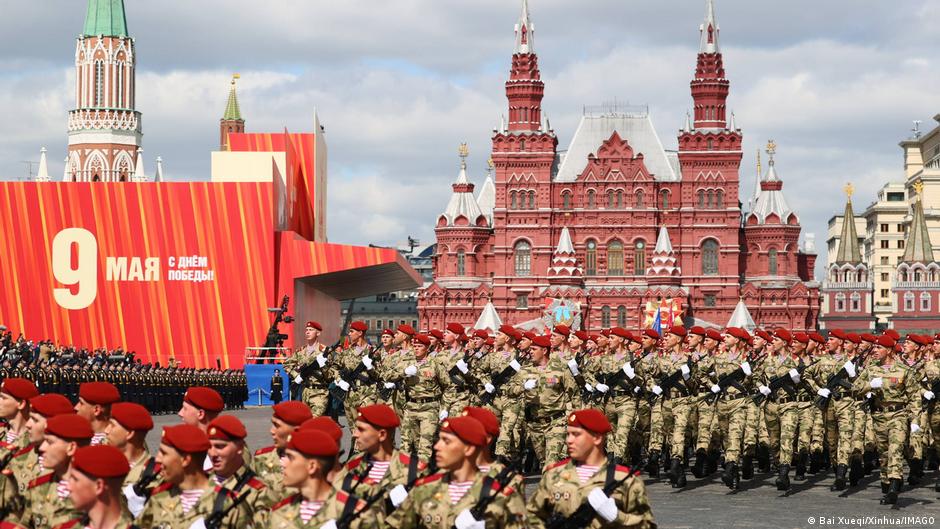
In a significant shift from tradition, the May 9 Victory Day parade in Moscow will not feature any military hardware this year, according to the Russian Ministry of Defense. The ministry attributed this decision to the "current operational situation," marking the first occasion in recent memory that the parade will exclude tanks, armored vehicles, and other ground combat equipment.
The parade will still showcase military aircraft, but ground formations—including cadets from Suvorov and Nakhimov military schools and various cadet corps—will be absent from the procession along Red Square. This departure from the usual format underscores heightened security concerns amid ongoing regional tensions.
Operational and Security Implications
Sources had hinted at a truncated parade format in recent weeks, with journalists and political analysts pointing to the absence of ground vehicle rehearsals in late April as an early indicator. Pro-military Telegram channels also speculated about the scaled-back event, signaling a possible adaptation to evolving security priorities.
"The decision to omit military hardware from the parade reflects an adaptation to the evolving operational environment, emphasizing security over spectacle," stated an expert familiar with defense protocols.
Across Russia's regions, authorities have canceled mass gatherings and parades, citing safety concerns. Cities such as Nizhny Novgorod, Saratov, Chuvashia, and Kaluga oblast will forgo their traditional commemorations. Additionally, Voronezh, Kursk, Bryansk, and Belgorod oblasts have opted to cancel celebratory fireworks, further illustrating the nationwide impact of ongoing security considerations.
The context for these measures includes Ukraine's recent retaliatory strikes on Russian infrastructure, targeting strategic sites such as Baltic Sea ports critical for oil exports and a major oil refinery in Tuapse. These attacks have elevated security risks, particularly around large public events.
Historical Context and Diplomatic Dimensions
The 2025 Victory Day parade marked the 80th anniversary of the Soviet victory over Nazi Germany and included over 10,000 military personnel and approximately 200 units of military equipment, ranging from World War II-era vehicles to modern weaponry. It attracted high-profile international guests, including Chinese President Xi Jinping, leaders from former Soviet republics, Myanmar, Venezuela, Egypt, and others. Notably, the event drew limited representation from European Union and NATO countries, with only Slovak Prime Minister Robert Fico attending, alongside Serbian President Aleksandar Vučić.
Since 2008, military vehicles have been a staple of the parade, symbolizing Russia's military heritage and strength. President Vladimir Putin has historically invoked the parade to draw parallels between the Soviet Union's World War II struggle and Russia's current military operations in Ukraine.
The omission of military hardware this year, therefore, represents a marked departure from tradition and may signal a recalibration of Russia's public military messaging amid ongoing conflicts and heightened geopolitical risks.
Potential Impact on Digital Security and Fintech Sectors
The cancellation of mass gatherings and military displays due to security concerns also highlights broader challenges for Russia’s digital economy and fintech industries. Heightened threats to infrastructure and public safety increase the demand for cybersecurity solutions, particularly in securing payment systems, digital banking platforms, and critical data networks.
Financial technology companies may find new opportunities to provide secure digital transaction environments and advanced threat detection as public events and traditional communication methods adapt to emerging risks. This shift underscores the growing intersection between national security considerations and the digital economy, where safeguarding financial ecosystems becomes paramount.