Baltic Airspace Closure for Slovak PM’s Flight to Moscow Impacts Regional Aviation Routes
Lithuania and Latvia block Slovak Prime Minister Robert Fico’s air route to Moscow on May 9, reflecting geopolitical tensions affecting European air traffic corridors.
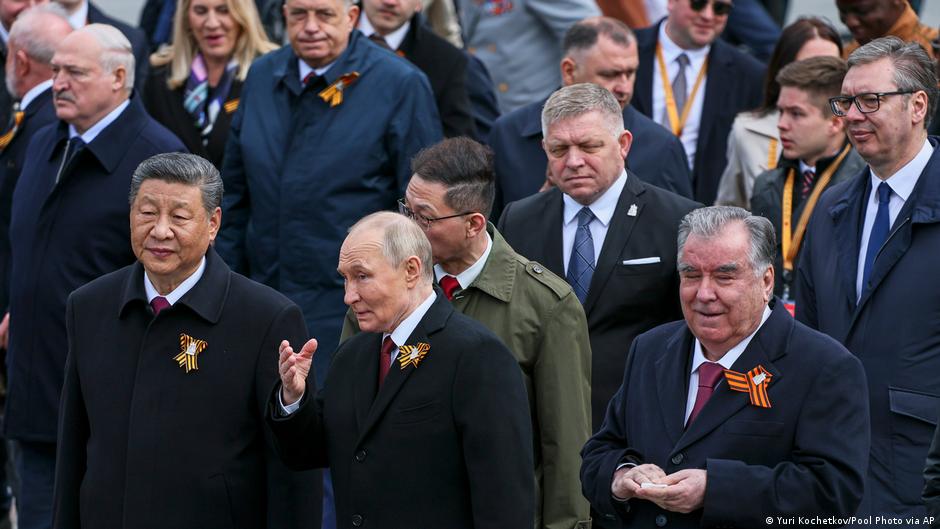
In a move underscoring ongoing geopolitical tensions in Eastern Europe, Lithuania and Latvia have once again announced that they will close their airspace to the aircraft of Slovak Prime Minister Robert Fico on his planned flight to Moscow for the May 9 Victory Day celebrations.
Prime Minister Fico disclosed the restrictions in a video address on April 18, confirming that both Baltic countries informed Bratislava they would not allow his plane to transit their territories en route to Moscow. "Lithuania and Latvia have already notified us that they will not permit overflight during the journey to Moscow. Well, member states of the European Union will not allow the Prime Minister of another EU country to fly over their airspace. I will definitely find another route, as I did last year," Fico said.
Geopolitical Factors Affecting European Airspace and Aviation Logistics
The decision by the Baltic states highlights the increasing politicization of regional airspaces amid the broader tensions between the European Union and Russia. Since 2022, multiple EU members and their allies have restricted Russian flights or flights connected to pro-Russian officials, impacting air traffic patterns and aviation logistics in Eastern Europe.
On a related note, Latvia and Lithuania previously denied overflight permissions to both Fico and Serbian President Aleksandar Vučić in 2023 during their flights to Moscow for the same May 9 commemorations. Riga cited "political sensitivity regarding the purpose of the flight," while Vilnius pointed to "technical and diplomatic sensitivities" as the basis for the restriction. Additionally, Polish airspace was closed to Fico's flights last year, further complicating route planning for such diplomatic visits.
"Member states of the European Union will not allow the Prime Minister of another EU country to fly over their airspace," said Slovak PM Robert Fico.
The May 9 Victory Day events in Moscow serve as a significant diplomatic occasion, with leaders from various nations attending to commemorate the end of World War II in Europe. In 2023, dignitaries from 27 countries, including China, Belarus, Cuba, Venezuela, Slovakia, and Serbia, gathered for the celebrations. However, the European Union has cautioned both member states and candidate countries against participation in these events, reflecting the EU's stance on the ongoing conflict in Ukraine and strained relations with Russia.
Implications for Fintech and Digital Economy in Eastern Europe
These aviation restrictions are symptomatic of broader geopolitical strains that also ripple through the fintech and digital economy sectors in the region. Airspace closures and diplomatic tensions can disrupt business travel and cross-border cooperation, affecting fintech companies, digital banking collaborations, and technology investments.
Moreover, the heightened geopolitical environment increases cybersecurity risks, as digital infrastructure becomes a frontline for state and non-state actors targeting financial systems and critical communications. The uncertainty surrounding political alliances complicates cross-border payments and crypto transactions, which rely on consistent regulatory frameworks and trust among jurisdictions.
For tech stocks and investment portfolios focusing on Eastern Europe, these developments underscore the need for risk assessments that incorporate geopolitical volatility. Navigating the complex interplay between political decisions and digital economy growth will be crucial for investors and companies aiming to expand or sustain operations in this dynamic but contested region.
In conclusion, Lithuania and Latvia's refusal to grant overflight rights to the Slovak prime minister's plane is emblematic of the broader challenges faced by governments and businesses operating at the intersection of geopolitics and the digital economy in Europe. The evolving situation demands agile strategies for aviation logistics, digital security, and fintech collaboration amid shifting diplomatic landscapes.