Italy's Prime Minister Meloni Condemns Russian Propaganda Amid Media Controversy
Giorgia Meloni rejects Russian TV host Solovyov's insults, affirming Italy's independent foreign policy stance.
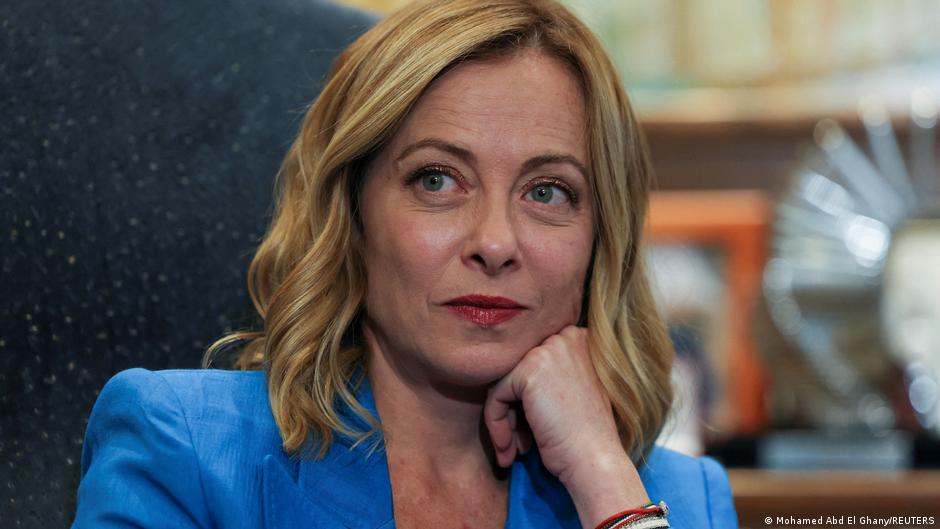
Italian Prime Minister Giorgia Meloni publicly addressed what she termed "diligent regime propagandists" following a wave of insults directed at her by Russian television presenter Vladimir Solovyov. The incident became a widely covered topic in Italian media, prompting responses from multiple Italian political figures and a diplomatic reaction from Rome.
Context of the Diplomatic and Media Conflict
On the evening of April 21, Meloni took to social media to criticize propagandists she implied were aligned with foreign regimes. Although she did not explicitly reference Solovyov's statements in her post, the timing and surrounding events made the connection clear. She wrote:
"By nature, a diligent regime propagandist has no right to lecture on consistency or freedom. But these caricatures will certainly not make us change course. Unlike others, we depend on no one, have no masters, and take no orders. We have only one compass: Italy’s interests. And we will proudly follow it, despite protests from propagandists worldwide."
Earlier that day, Italian Foreign Minister Antonio Tajani summoned Russia's ambassador to Italy, Alexey Paramonov, to the Ministry of Foreign Affairs. This diplomatic move was an official protest against Solovyov's remarks, which Tajani described as "extremely serious and offensive" towards the Italian prime minister.
Solovyov’s televised statements, made in both Italian and Russian, included harsh personal attacks against Meloni. He labeled her a "fascist creature who betrayed her voters" and "a disgrace to humanity," further accusing her of betrayal related to former US President Donald Trump.
The controversy drew significant coverage from major Italian news outlets, including La Repubblica, Domani, Sky Italia, and the ANSA news agency, highlighting the intersection of international political communication and media influence.
Political Support and Implications for Italy’s Digital and Political Landscape
Italian political leaders across the spectrum expressed solidarity with Meloni. President Sergio Mattarella called Solovyov’s language "vulgar," while former Prime Minister Giuseppe Conte described the insults as "indescribable." Other prominent figures, such as Barbara Floridia, head of the parliamentary commission overseeing the state broadcaster RAI, and Mariastella Gelmini of the Noi Moderati party, condemned the comments as unacceptable. Democratic Party leader Elly Schlein also voiced support for Meloni.
This episode underscores broader issues relevant to the fintech and digital economy sectors, particularly concerning the role of foreign media influence, cybersecurity, and political stability in Italy. As digital banking and online payment systems increasingly rely on stable geopolitical environments, diplomatic tensions and propaganda campaigns pose risks to market confidence and regulatory frameworks.
Moreover, the incident highlights the growing importance of cybersecurity measures to protect digital communications from propaganda or misinformation, which can affect financial markets and investor sentiment, especially in technology and fintech-related stocks.
Italy’s firm stance on pursuing independent foreign policy, as reaffirmed by Meloni, may influence the strategic environment for international fintech collaborations and digital innovations, shaping how Italian companies navigate the complex intersections of politics, media, and technology.