Russia Threatens Armenia with Increased Tariffs Amid Eurasian Economic Union Tensions
Putin warns Armenia of higher transport and energy tariffs if it leaves the Eurasian Economic Union, urging a referendum on membership amid geopolitical pressures.
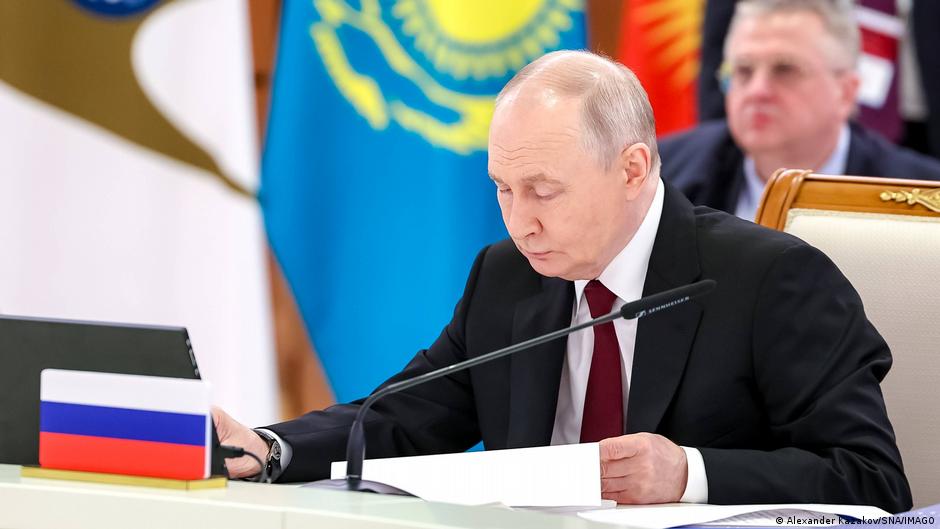
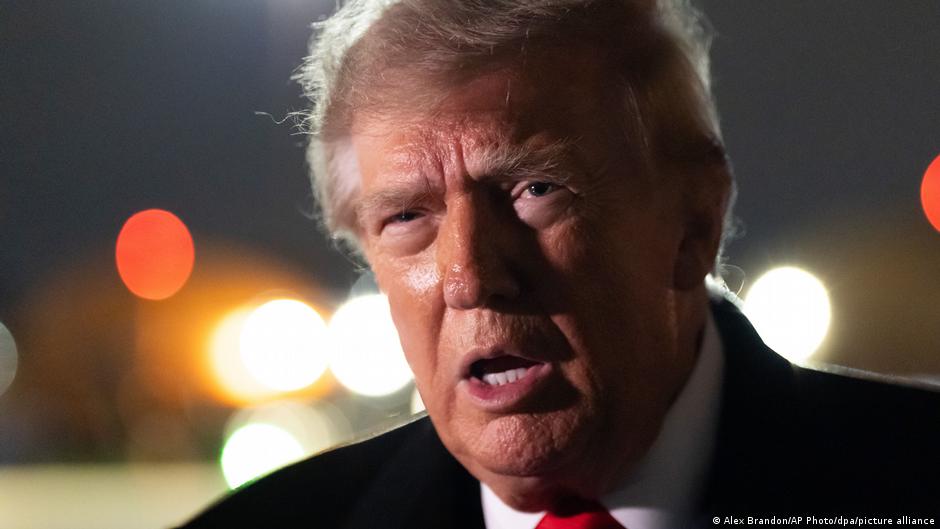
Russian President Vladimir Putin has issued a stern warning to Armenia, threatening to raise tariffs on railway transportation and energy supplies if Armenia chooses to exit the Eurasian Economic Union (EAEU). The remarks came during a press conference following the EAEU summit in Astana on May 29.
"If Armenia begins transitioning to European Union standards, we will have to sever our economic integration with them. Who will they supply their products to? Where will Armenian wine go?" Putin questioned, emphasizing the potential economic fallout for Armenia.
He indicated that tariffs for rail freight and energy prices would increase for Armenia in such a scenario. Additionally, Armenian nationals would be required to obtain work patents to be employed in Russia, paralleling the current situation with Ukrainian citizens.
"If Armenia starts moving toward EU standards, we will need to dismantle all economic ties with them," Putin stated, underscoring the gravity of the potential split.
Context and Geopolitical Implications
The EAEU, comprising Russia, Armenia, Belarus, Kazakhstan, and Kyrgyzstan, has called on Armenia to conduct a referendum to decide between continued membership in the EAEU or joining the EU. This push comes amid Armenia's increasing rapprochement with the European Union and ahead of its parliamentary elections scheduled for June 7.
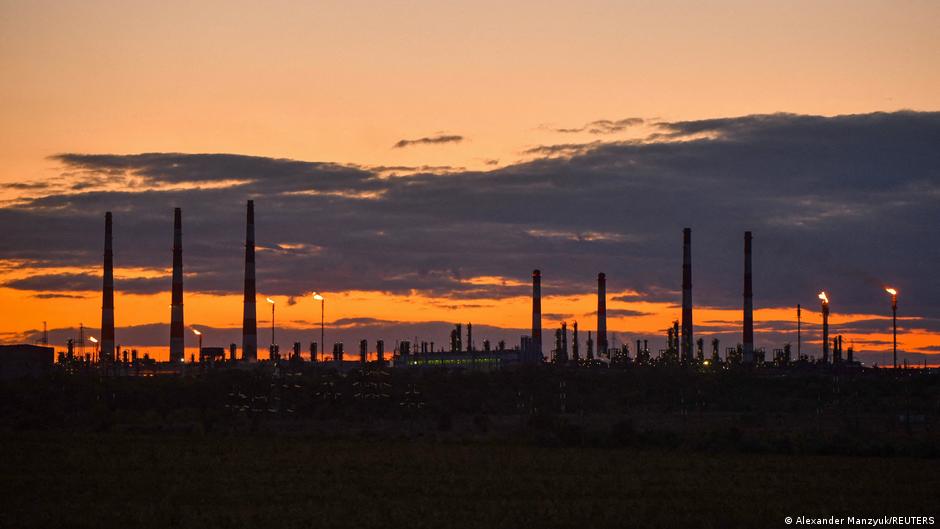
Russian authorities have recently escalated pressure on Armenia by banning imports of various Armenian products, including mineral water, vegetables, and brandy. The Russian Ministry of Energy has threatened to terminate agreements on duty-free supplies of petroleum products, natural gas, and unprocessed diamonds to Armenia.
During the same press conference, Putin dismissed EU claims that Russia is preparing for war against the bloc as "nonsense and lies," describing related media reports as "mass deception tools." To illustrate, he cited a phrase commonly misattributed to Joseph Goebbels, Reich Minister of Propaganda in Nazi Germany: "The bigger the lie, the more people will believe it." Actually, this quote originates from Adolf Hitler's Mein Kampf, not Goebbels.
Putin's comments highlight Moscow's strategic intent to maintain Armenia firmly within its economic and geopolitical orbit. His assertion that Armenia cannot simultaneously be a member of both the EU and EAEU reflects the broader contest between Russian-led integration initiatives and Western influence in the post-Soviet space.
As financial technology and digital economy sectors evolve rapidly, the geopolitical tension poses risks to cross-border trade flows, payment systems, and energy market stability. Increased tariffs and import bans could disrupt Armenia's digital payment infrastructure and fintech integration with Russia, while the uncertain regulatory environment may affect investor confidence in regional tech equities.
Moreover, the requirement for Armenian workers to obtain Russian work patents could reshape labor mobility and remittance patterns, affecting digital banking and cybersecurity frameworks tied to cross-border employment.
In these circumstances, Armenia must weigh the long-term costs of aligning more closely with the EU against the immediate economic pressures exerted by Russia, which remains a dominant player in the region's energy supply and transportation networks.