Support for Germany's CDU/CSU Falls to 2021 Levels Amid Political Shifts
Conservative CDU/CSU bloc's backing drops to 20%, while far-right AfD leads polls ahead of key regional elections.
Conservative Support Declines as Far-Right Gains in Germany
Support for Germany's conservative Christian Democratic Union/Christian Social Union (CDU/CSU) coalition has fallen to its lowest level in five years, reaching just 20%, according to recent polling data by the INSA institute. This decline signals shifting political dynamics in Germany with potential implications for economic policies, including the digital economy and fintech sectors.
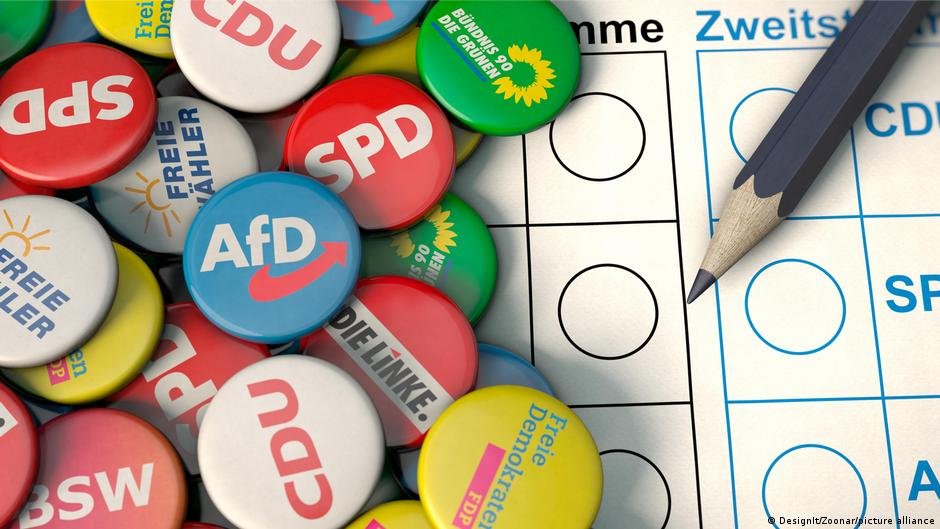
The polling, conducted weekly and reported by Bild am Sonntag on August 15, reveals that the far-right party Alternative for Germany (AfD) maintains its position as the leading political force with 28% support. The Green Party remains steady at 13%, while the Social Democratic Party (SPD) and The Left each hold 12% backing.
"The drop in support for the CDU/CSU underscores growing voter volatility and signals potential changes in government coalition dynamics," said political analysts following the survey.
Other parties show varied results: the liberal Free Democratic Party (FDP) has reached the 5% electoral threshold required to enter the Bundestag, while the left-wing populist "Sara Wagenknecht Alliance" remains below the threshold with 3%, excluding it from parliamentary representation.
Upcoming Regional Elections Could Reshape Political Landscape
Germany is preparing for critical elections in September across three federal states: Saxony-Anhalt, Mecklenburg-Western Pomerania, and Berlin. The AfD is projected to possibly form a state government for the first time in Saxony-Anhalt, marking a significant shift in regional governance.
The shifts in voter preferences and party standings may have consequential effects on Germany's fintech and digital economy sectors, as political stability and government priorities directly influence regulatory frameworks surrounding digital banking, payments innovation, cybersecurity, and investment in technology companies.
Experts note the increasing unpredictability of polling outcomes due to weakening traditional party loyalties and voters making last-minute decisions. This volatility complicates forecasts of election results and the future political composition of Germany's government.
The evolving political landscape could affect financial markets, particularly sectors tied to digital transformation and technology stocks, as new governance may alter policies that drive innovation and investment in fintech infrastructure and cybersecurity measures.