Kosovo’s Ruling Vetëvendosje Party Wins Parliamentary Elections Amid Political Uncertainty
Vetëvendosje secures 43% in Kosovo’s snap elections, needing coalition partners to form a government amid ongoing political challenges.
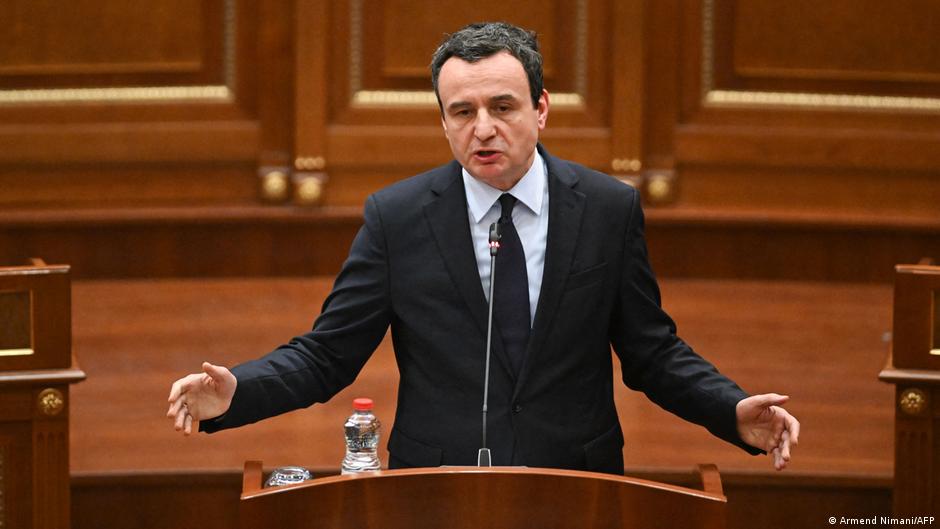
Kosovo’s ruling party, Vetëvendosje, led by Prime Minister Albin Kurti, won the recent snap parliamentary elections with 43% of the vote, according to official results released after the processing of 99.4% of ballots on June 7. However, the party must still build coalition alliances to form a government and overcome the country’s ongoing political instability.
The main opposition, the Democratic Party of Kosovo, garnered 21% of votes, followed by the Democratic League of Kosovo at 18%, and the Alliance for the Future of Kosovo with around 7%. Voter turnout was just under 37%, reflecting continued political disengagement amid frequent elections.
Political Context and Implications for Digital Economy
These are the third parliamentary elections held in Kosovo within the past 18 months. In the previous December 2025 vote, Vetëvendosje obtained a majority with 51.1%. However, the parliament was dissolved in April after parties failed to agree on a presidential candidate, whose role in Kosovo is largely ceremonial.
“The formation of stable government institutions is crucial for implementing reforms and advancing Kosovo’s EU accession ambitions,” experts note.
Kurti’s government pursues a pro-Western agenda, prioritizing Kosovo’s integration into the European Union. Brussels has emphasized the need for Kosovo to develop resilient state institutions as a precondition for reforms required for EU membership.
In the context of the fintech and digital economy, political stability and effective governance are critical for Kosovo’s ambitions to modernize its financial infrastructure, expand digital banking services, and enhance cybersecurity frameworks. Vetëvendosje’s political platform may influence ongoing initiatives to integrate innovative payment systems and cryptocurrencies to stimulate economic growth in the region.
However, challenges remain, especially with the Serb minority in northern Kosovo, where Kurti takes a hardline stance to extend government control and sovereignty. This regional tension complicates the political landscape and could delay regulatory reforms required to attract digital economy investments.
Kosovo declared independence from Serbia in 2008, but its statehood remains unrecognized by Serbia, Russia, and five EU countries including Spain and Greece. This geopolitical complexity affects Kosovo’s ability to fully participate in European digital and financial markets.
As Kosovo navigates coalition negotiations and institutional reforms, the fintech sector stands at a crossroads. A stable government could accelerate the adoption of digital payment platforms and crypto regulations, enhancing financial inclusion and positioning Kosovo as a rising digital economy in the Balkans.
Investors and tech companies will be watching closely to see how Vetëvendosje’s leadership tackles governance challenges and integrates modern financial technologies in the coming months.