United Russia Lead Points to Policy Continuity for Russia’s Digital Economy
Early election data show the ruling party on track for a dominant Duma position, reinforcing the policy environment facing banks, payments firms and technology investors.
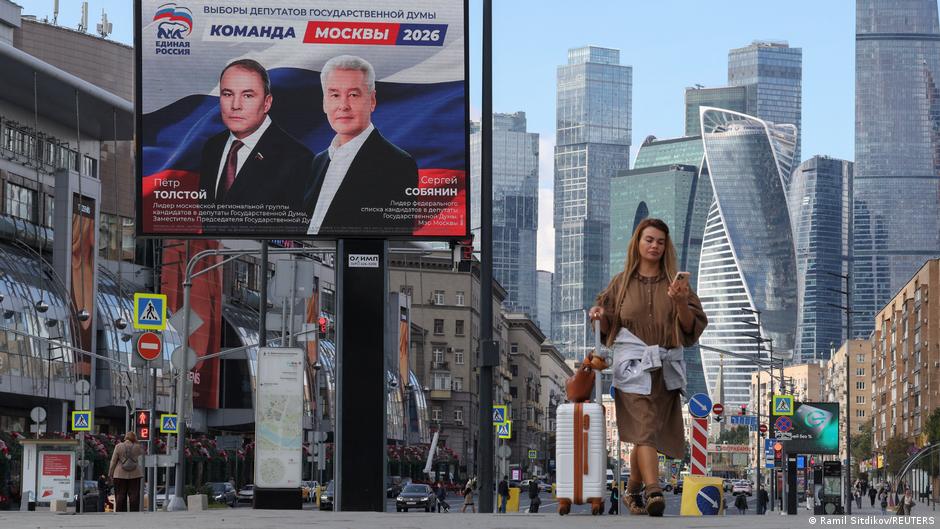
Russia’s ruling United Russia party is leading the election to the State Duma after 82.19 percent of protocols were counted, according to figures reported overnight on Monday, September 21, by the Central Election Commission. The party had 57.76 percent of the vote, a result that, if confirmed, would point to continued political control over the legislative agenda affecting Russia’s digital economy, financial infrastructure and technology sector.
The Communist Party of the Russian Federation was in second place with 13.89 percent. The Liberal Democratic Party of Russia followed with 8.77 percent, while New People had 7.97 percent. A Just Russia stood at 4.99 percent, leaving it at risk of falling short of the 5 percent threshold required to enter parliament through the party-list vote, according to the CEC data.
For fintech firms, digital banks, payment processors, crypto platforms and cybersecurity providers operating in or exposed to Russia, the preliminary outcome signals a high probability of policy continuity. United Russia’s position in the Duma has been central to the legislative framework under which Russia has pursued financial sovereignty, domestic payment rails and tighter control over digital infrastructure.
After 82.19 percent of protocols were counted, United Russia had 57.76 percent of the vote, according to the Central Election Commission data reported by TASS.
A Likely Constitutional Majority
United Russia candidates were also leading in 208 of the 225 single-mandate districts. On that basis, the party is expected to receive more than 301 seats in parliament, the number needed for a constitutional majority. Such a position would allow the ruling party to advance legislation with limited parliamentary friction, including laws affecting the banking system, state-backed digital platforms, data governance, cybersecurity rules and financial-market regulation.
The preliminary vote share is higher than United Russia’s result in the 2021 State Duma election, when it received 49.82 percent. That increase, combined with strong performance in single-mandate districts, strengthens the prospect that Russia’s economic and technological policy agenda will remain concentrated around state priorities rather than market liberalization.
For the payments sector, the composition of the next Duma matters because regulation has increasingly become a tool of strategic resilience. Russia’s domestic financial infrastructure has been shaped by geopolitical pressure, sanctions and the need to reduce reliance on Western-controlled systems. A strong United Russia majority would likely support the continuation of legislation favoring national payment networks, local processing, tighter oversight of cross-border flows and expanded state involvement in financial technology.
Implications for Crypto and Digital Banking
The election result also carries implications for crypto policy, even though the source data do not refer to any specific digital-asset legislation. A dominant ruling-party majority typically gives the government greater room to define how cryptocurrencies, mining, tokenized assets and digital ruble-related infrastructure fit within Russia’s broader financial system. Investors and market participants will be watching whether lawmakers prioritize control, taxation and surveillance over more open experimentation.
Digital banking is another area where parliamentary alignment can shape the operating environment. Russian banks and fintech companies have been adapting to sanctions, domestic technology requirements and changing consumer payment behavior. A legislature led by United Russia with a likely constitutional majority would be positioned to approve further measures aimed at strengthening local financial technology stacks, supporting state-aligned platforms and tightening rules around financial data.
Cybersecurity companies may also see continued demand linked to public-sector priorities. The election took place in a political environment marked by confrontation with the European Union and Germany, both of which criticized the parliamentary vote, pointing to its “staged character” and to repression against the opposition. Such conditions tend to reinforce state emphasis on information control, infrastructure protection and digital sovereignty.
Contested Political Setting
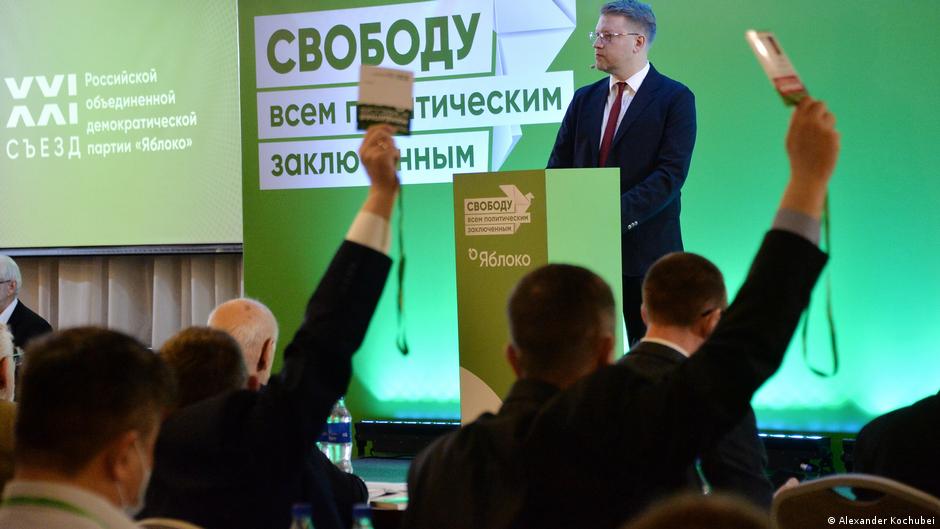
This year’s three-day parliamentary vote also took place in Ukrainian territories occupied by Russia. The inclusion of those territories is one of the political facts surrounding the election and contributes to the international criticism of the process. The only major party that had opposed the war, Yabloko, was removed from the election.
For global technology investors, the election is therefore not only a domestic political event but also a signal about geopolitical risk. Russian equities, technology companies and financial-sector assets remain tied to sanctions exposure, international isolation and state-directed economic policy. A stronger United Russia presence in parliament may make the regulatory path more predictable inside Russia, but it does not reduce external political and compliance risks for foreign counterparties.
The preliminary CEC figures suggest that Russia’s next Duma will be well positioned to maintain the current direction of economic governance. In the fintech sphere, that means continued focus on domestic payment systems, regulated digital finance, cyber resilience and state-supervised technology platforms. The result also reinforces the divide between Russia’s internal market logic and the expectations of Western regulators, investors and institutions.
Final results were not included in the source figures, and the reported data were based on 82.19 percent of protocols counted. Still, the scale of United Russia’s lead and its advantage in single-mandate districts indicate that the legislative environment for Russia’s digital economy is set to remain firmly aligned with the ruling party’s priorities.