Russia Declares Human Rights Foundation 'Undesirable' Amid Increased Digital Censorship
Russian authorities blacklist the US-based Human Rights Foundation, citing its digital projects and critical content against the Russian government.
On August 6, 2024, the Russian Prosecutor General's Office officially designated the American non-profit Human Rights Foundation (HRF) as an "undesirable" organization within Russia. Founded in 2005, HRF promotes human rights and democratic values globally. The announcement marks a significant escalation in Russia's digital censorship and regulatory crackdowns targeting foreign organizations perceived as hostile to the Kremlin.
Impact of Digital Transparency Tools on Russian Regulatory Actions
A key factor cited by Russian authorities was HRF's launch of the Tyranny Tracker project — an interactive digital map that ranks countries based on their adherence to democratic principles. Russia is labeled as fully authoritarian on this platform, a characterization that the government found unacceptable.
"The foundation disseminates information that discredits the Russian military and supports other organizations already banned in Russia," the Prosecutor General's Office declared.
HRF's Tyranny Tracker exemplifies how fintech and digital platforms can influence geopolitical narratives and alter perceptions about governance and human rights. Its interactive approach leverages data visualization techniques to highlight authoritarian regimes, which governments like Russia view as threats to their information sovereignty and control.
Beyond the political dimension, the blacklisting of HRF underscores the challenges faced by digital platforms and NGOs operating in restrictive digital economies, where cybersecurity laws and regulations are increasingly leveraged to suppress dissent. This environment complicates cross-border cooperation in digital payments, fundraising, and the deployment of blockchain or crypto-based tools often employed by global civil society organizations.
Leadership Changes Signal New Strategic Directions
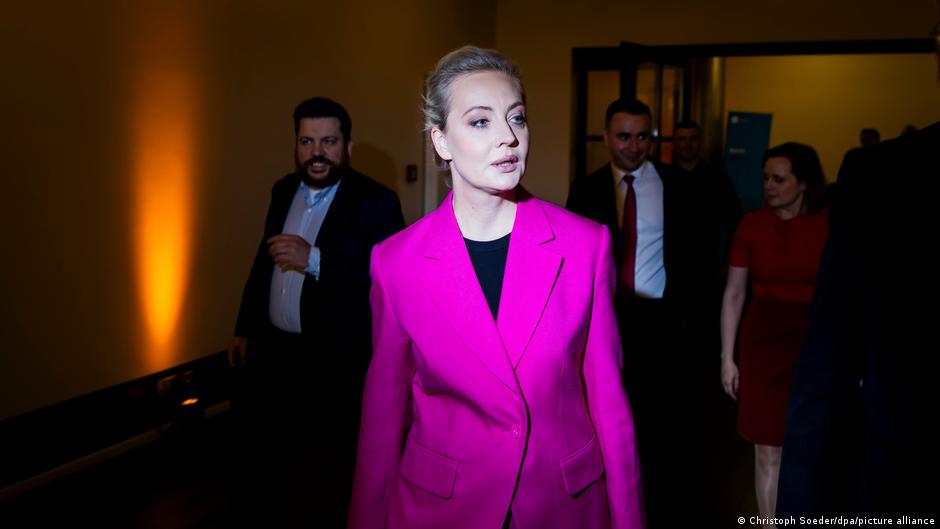
HRF's leadership also shifted in 2024, with Yulia Navalnaya assuming the chairperson role, succeeding former world chess champion and opposition figure Garry Kasparov. Navalnaya's appointment reflects HRF's ongoing commitment to supporting democratic activism despite increasing repression. This may further motivate Russian authorities to intensify digital censorship and clampdowns on financial transactions involving foreign NGOs.
For fintech and digital economy stakeholders, these developments highlight the intersection of human rights advocacy and cybersecurity frameworks. Monitoring how regulatory measures affect the flow of funds and data across borders is critical for financial institutions, digital payment providers, and crypto platforms aiming to navigate markets with heightened political sensitivities.
Broader Implications for Russian Digital Economy
The designation of HRF as undesirable is part of a broader trend in Russia to control digital narratives and limit foreign influence in its digital space. It raises questions about the future of digital banking, cryptocurrency adoption, and digital payments for organizations engaged in politically sensitive activities.
Financial institutions and tech companies operating in Russia must remain vigilant about compliance risks and potential cybersecurity threats stemming from state-backed initiatives. Additionally, the case illustrates the growing use of digital tools not only in financial transactions but also in political advocacy and information dissemination, shaping the contours of Russia’s digital economy and its international relations.