Immediate Opening of Strait of Hormuz Expected After US-Iran Peace Memorandum, Impacting Global Trade and Digital Payments
Pakistan announces the Strait of Hormuz will reopen promptly following a peace deal between the US and Iran, signaling shifts in regional trade and fintech dynamics.
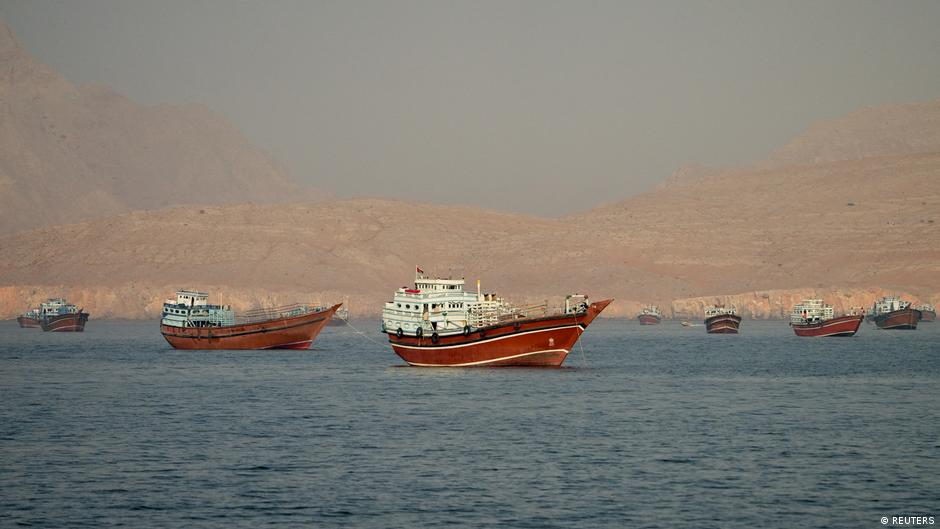
The Strait of Hormuz, a critical maritime chokepoint for global oil and trade flows, is set to reopen immediately after the signing of a peace memorandum between the United States and Iran, according to Pakistan's Prime Minister Shahbaz Sharif. This development is poised to affect global trading routes, international payments, and digital banking ecosystems connected to the energy sector.
Peace Memorandum Signals New Chapter for Regional Trade and Fintech Integration
On June 17, US President Donald Trump and Iranian President Masoud Pezeshkian signed a memorandum aimed at ending hostilities between the two nations. Pakistan, serving as a mediator in these negotiations, confirmed that the agreement has already taken effect, with the Strait of Hormuz to be accessible for navigation without delay. This announcement was made via Prime Minister Sharif's post on the social media platform X on June 18.
Concurrently, the United States is expected to lift its blockade on Iranian ports, a move that will likely restore smoother trade flows and reintegrate Iran more fully into the global marketplace. For fintech companies, digital banks, and payment processors facilitating cross-border settlements, this could mean renewed opportunities and reduced transaction frictions in energy and goods trading linked to the region.
"The immediate reopening of the Strait of Hormuz following the peace memorandum represents a significant step toward stabilizing regional trade and enabling smoother financial transactions," Sharif stated. "Simultaneously, the lifting of sanctions will allow digital payment systems and trade finance providers to engage more openly with Iranian markets."
The memorandum stipulates a 60-day window to negotiate the terms of a comprehensive peace treaty. Pakistan plans a formal signing ceremony on June 19 in Switzerland, supported by Qatar, at the Burgenstock resort near Lucerne. Though digital signatures from both presidents are already in place, the ceremony aims to symbolize a commitment to a new era of peace and technical-level negotiations on the final agreement.
Implications for Cryptocurrency and Cybersecurity
The reopening of key maritime routes and anticipated easing of sanctions may also impact cryptocurrency markets and cybersecurity frameworks. Iran has been exploring blockchain and crypto as alternative payment systems to bypass traditional financial restrictions. Renewed diplomatic relations and trade could influence regulatory approaches toward digital currencies and fintech innovation in the region.
Furthermore, companies involved in cybersecurity will need to adapt to changing threat landscapes as new financial channels open and digital payment technologies expand their reach. Enhanced cooperation between international financial institutions and regional tech firms could foster secure and efficient transaction environments.
"This agreement not only marks a geopolitical milestone but also sets the stage for transformative shifts in digital trade and payment infrastructures across the region," analysts note.
Market watchers and investors in tech stocks related to fintech and digital banking should monitor how this geopolitical breakthrough influences sector valuations and innovation trends, especially those connected to cross-border payment solutions and energy trade financing.