Uzbekistan’s Business Overhaul Reshapes Digital Economy and Financial Flows
Uzbekistan’s decade of business reforms is reshaping licensing, taxes and digital state services, with direct implications for payments and formal-sector growth.

Uzbekistan’s decade of business reforms is reshaping licensing, taxes and digital state services, with direct implications for payments and formal-sector growth.

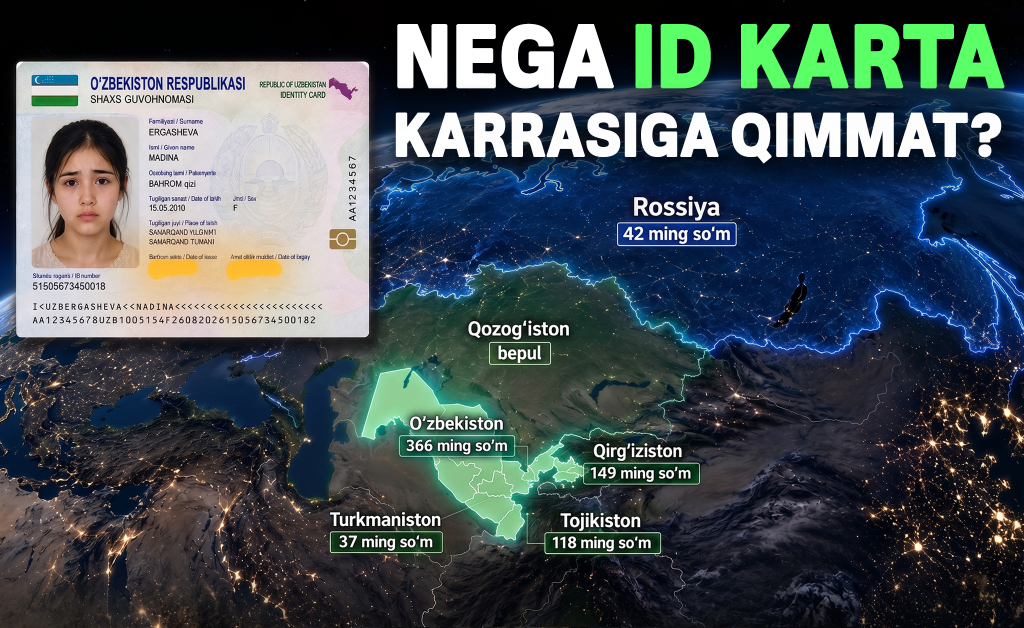
A debate over the cost of a first ID card in Uzbekistan is focusing attention on affordability, digital access and how regional peers price core identity documents.

Uzbekistan auctions its state-owned Fonon jewelry plant stake for 316.7 billion UZS, highlighting challenges in financial recovery and digital asset management.

Humo payment system’s net profit surged over threefold to 410.9 billion UZS in H1 2026, driven by strong revenue growth despite the loss of tax incentives.

Uzbekistan offers subsidies covering up to 50% of costs for modern swimming pool projects, promoting tourism, sports infrastructure, and fintech integration in payments and digital services.
Uzbekistan launches a national navigation system and unified digital platform to enhance fintech, public administration, and digital infrastructure, aiming to boost IT exports and startup growth.

Uzbekistan's digital water management reforms significantly reduce water stress, promoting sustainable resource use and creating opportunities for fintech and green innovation.

Uzbek aluminium producer AKFA Aluminium plans its first international bond issuance and investor roadshows in London to boost corporate transparency and governance.

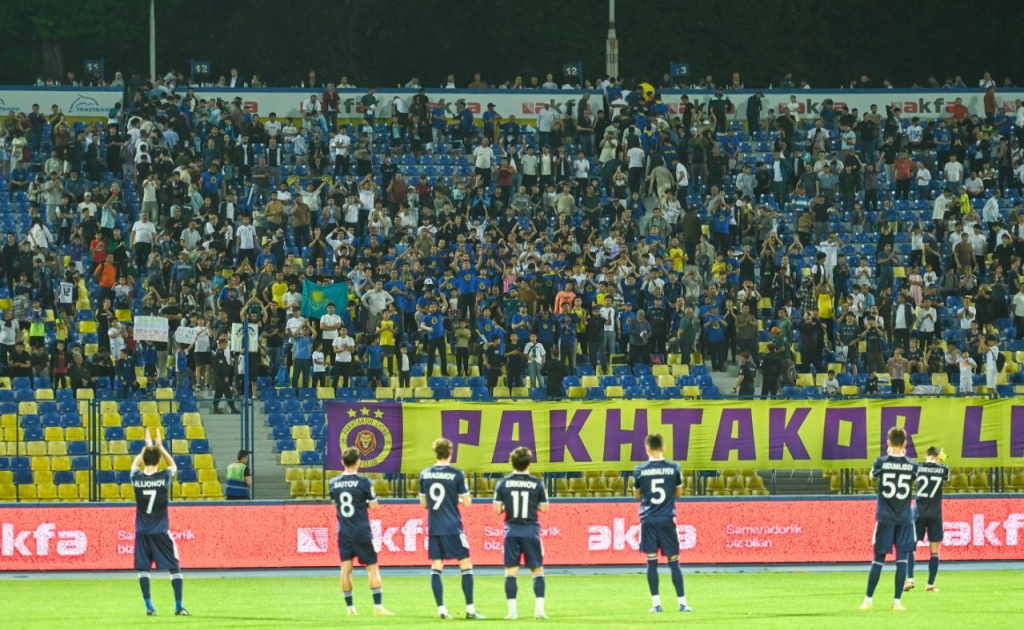
Paxtakor Football Club reported a 50 billion UZS loss in 2025 with mounting tax debts, highlighting urgent financial restructuring and the need for sustainable revenue models in Uzbek football.

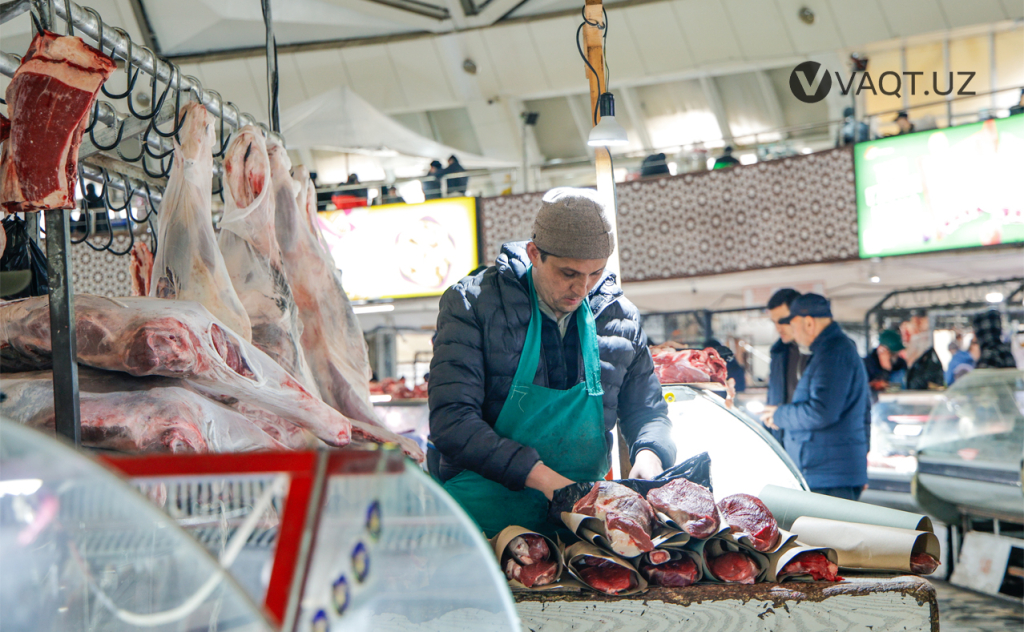
Uzbekistan’s meat imports rose 62.8% in early 2026, driven by slower domestic production and rising global prices, impacting consumer prices and digital economy dynamics.

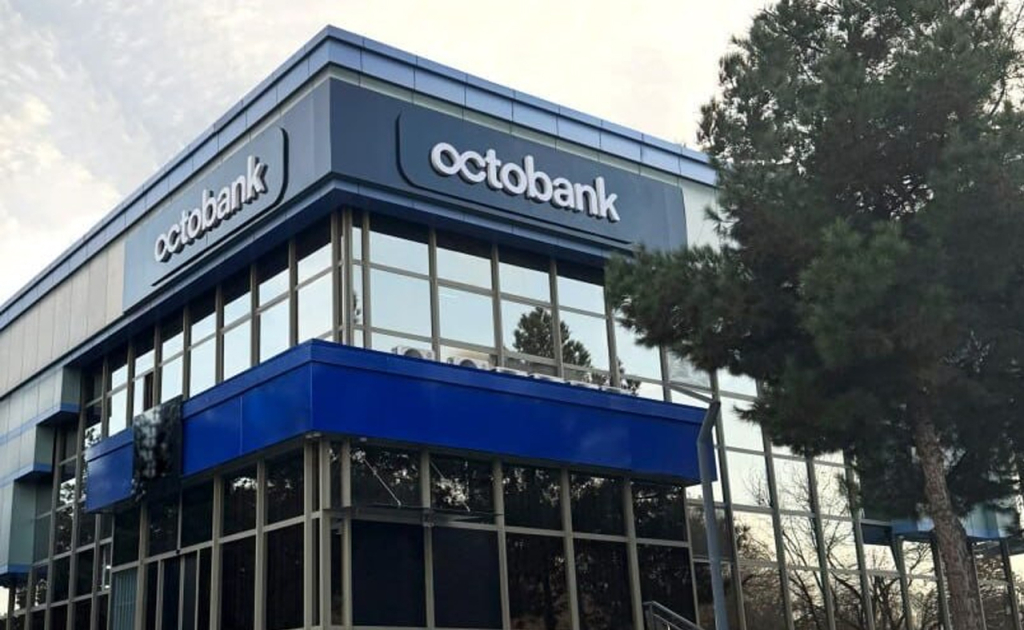
Uzbek banks, led by Octobank and National Bank, saw over 30% deposit growth in early 2026, driven by corporate deposits and digital banking adoption.

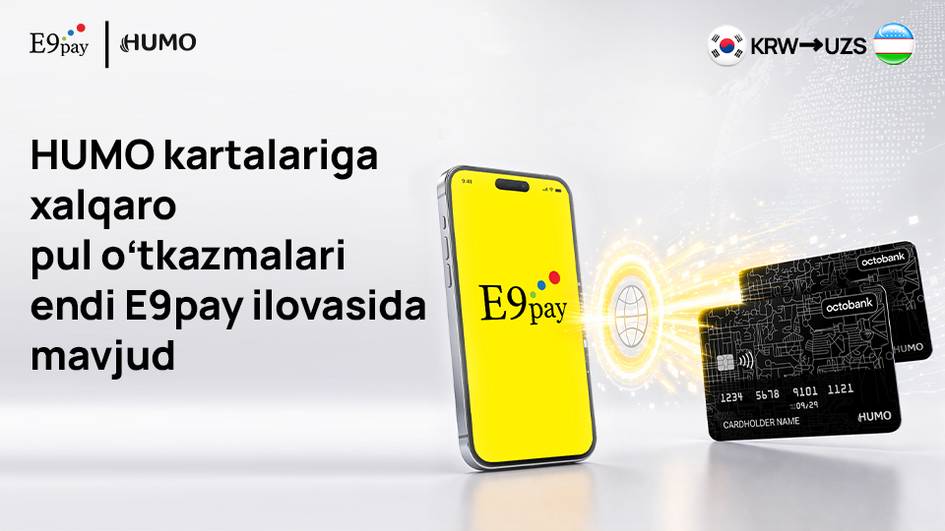
Octobank and E9PAY have launched a service enabling money transfers from South Korea to Uzbekistan's HUMO cards, advancing cross-border fintech solutions.

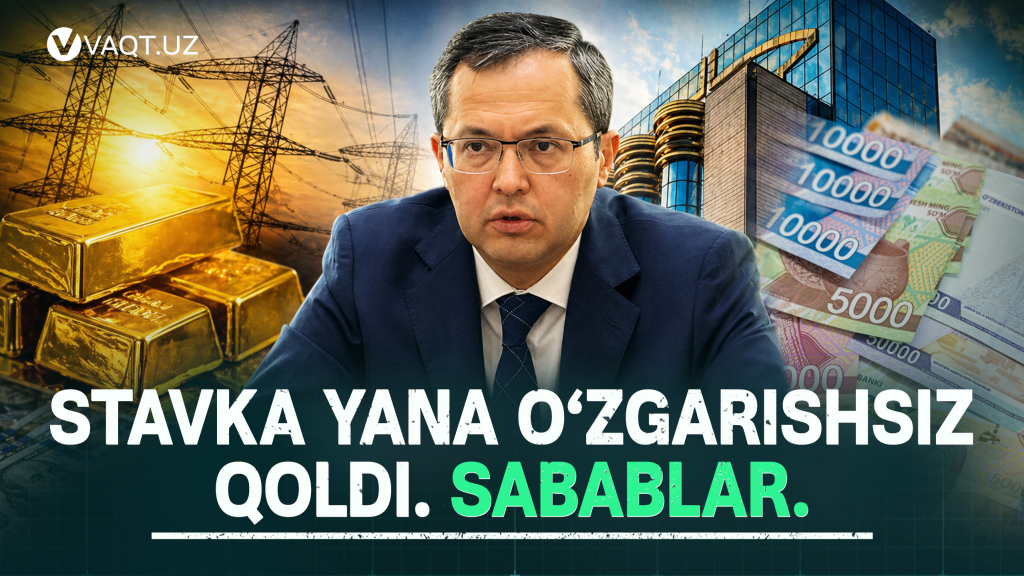
Uzbekistan's Central Bank holds the key interest rate at 14% due to ongoing food price inflation and external economic uncertainties despite overall inflation easing.

Uzbekistan's suspension of gold exports since September 2025 caused a 29% export decline, affecting foreign trade and central bank reserve strategies amid volatile gold prices.

Uzbek payment providers Payme, Click, and Paynet report strong Q1 2026 profit growth, with Paynet’s surge driven by a significant one-time dividend inflow.

Uzbekistan's rising urban divorce rates, now one-third of marriages, pose demographic challenges with significant implications for fintech, digital banking, and economic stability.

Uzbekistan's banks expanded their loan portfolios to over 623 trillion soms in Q1 2026, with non-performing loans rising by 1.8 trillion soms, mainly in state banks.

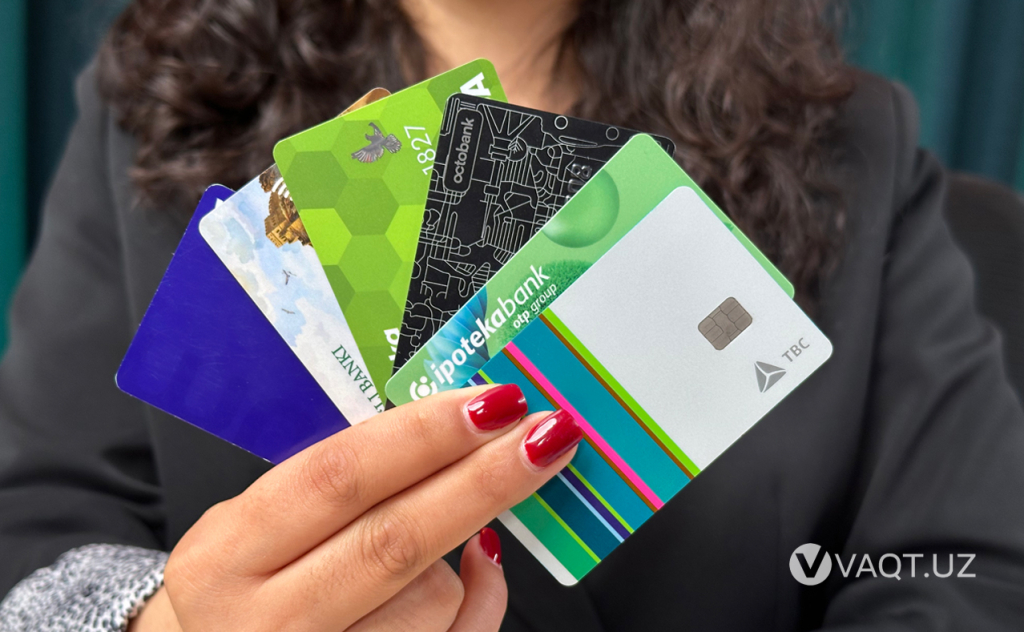
Uzbekistan banks must now maintain a minimum card balance of 1.236 million UZS during automatic debt repayments, limiting full fund withdrawals to protect customers.

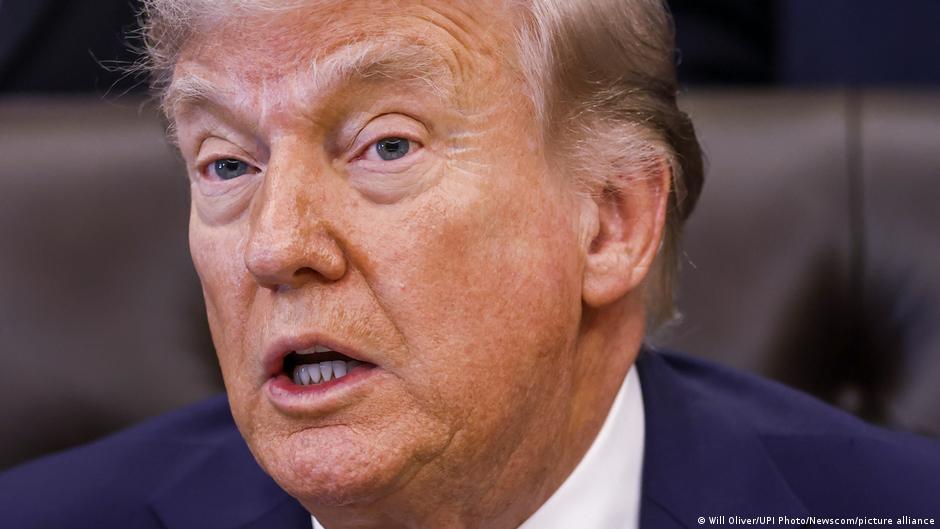
US President Trump sees Putin's possible attendance at the 2026 G20 Miami summit as beneficial but is uncertain about Russia's official invitation and participation.

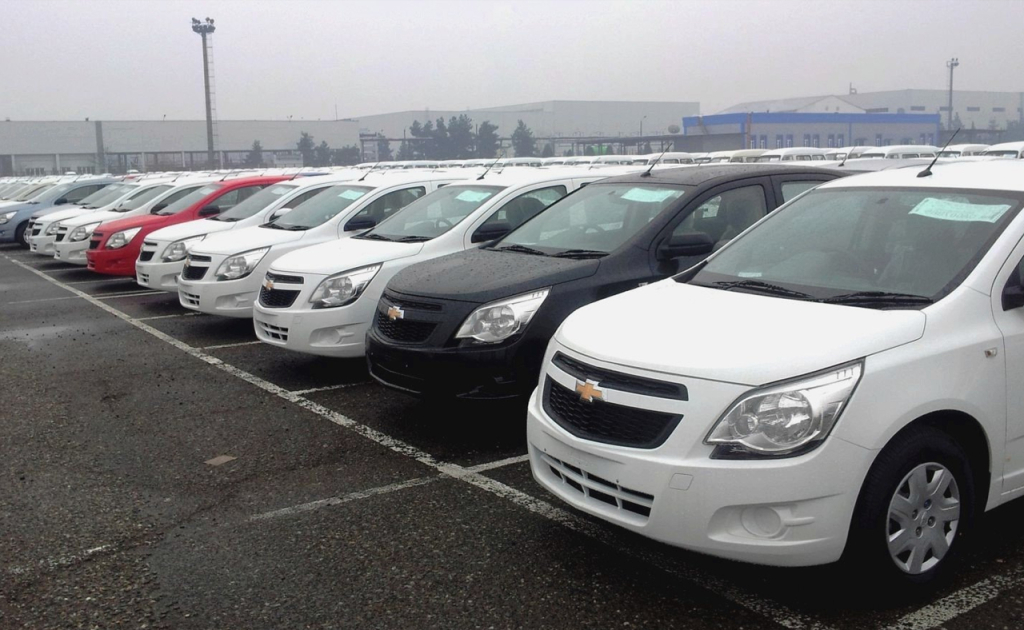
Uzbekistan's March car sales rose 19% month-on-month, boosting prospects for fintech growth in digital payments and auto financing sectors.

Uzbekistan accelerates Asakabank’s privatization, restructures assets, and plans significant capital infusion to reinforce financial stability and modernize banking operations.

Tashkent’s markets achieved significant profit increases in 2025, driving growth in digital payment adoption and fintech innovation across the city’s retail sectors.

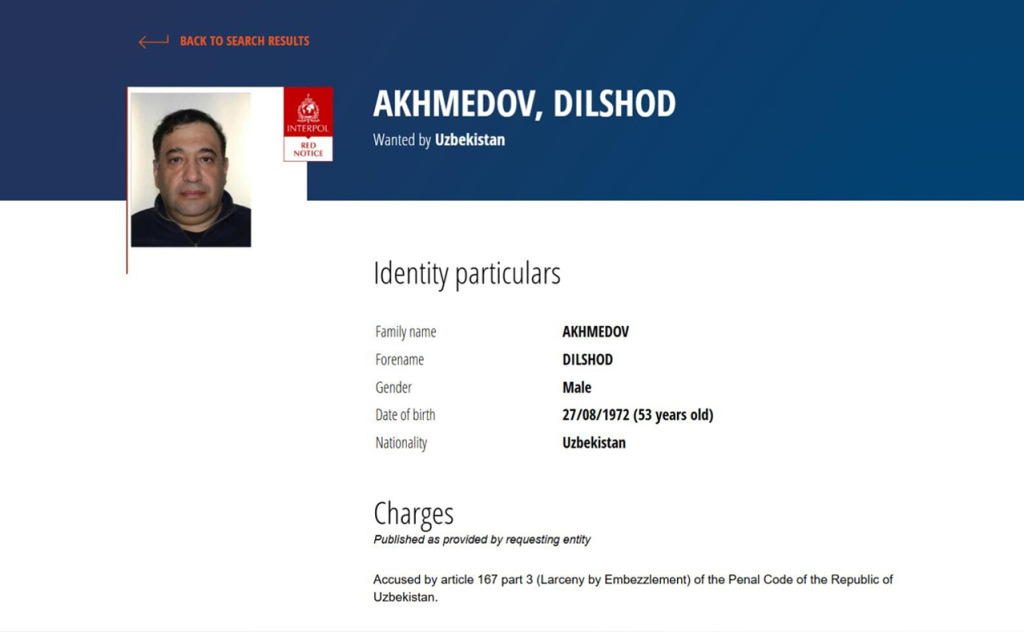
Dilshod Ahmedov, former chairman of Uzbekistan's O‘zmetkombinat, faces international charges for alleged embezzlement, raising corporate governance concerns.

Germany's Koblenz military museum restricts access for Uzbek citizens and others amid enhanced security laws, highlighting the intersection of security and digital access.

Uzbek banks report strong Q1 2026 profits and asset growth, fueled by diversified income streams and expanding loan portfolios amid rising market competition.

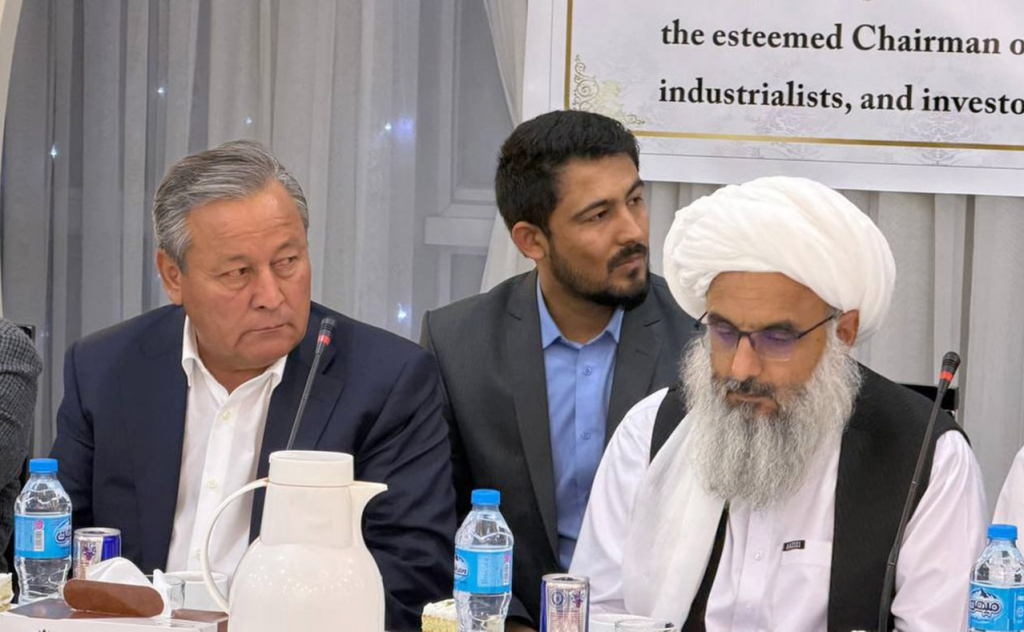
Uzbek and Afghan businesses sign $300M contracts at Herat forum, focusing on enhanced payment systems, logistics, and digital trade platforms.