Rising Meat Imports in Uzbekistan Highlight Challenges for Domestic Production and Prices
Uzbekistan’s growing reliance on expensive meat imports reflects slower domestic output amid inflation and global market pressures.
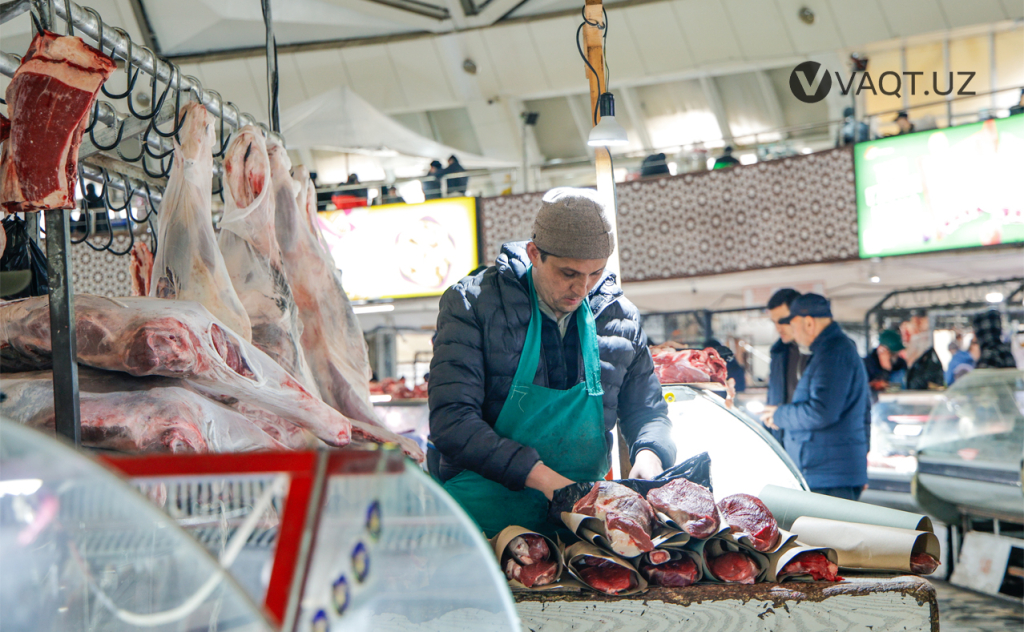
Uzbekistan has experienced a significant increase in meat imports in early 2026, underscoring the country's growing dependence on foreign supplies amid a slowdown in domestic production. From January to April 2026, Uzbekistan imported meat products valued at $320.6 million, marking a 62.8% increase compared to the same period in 2025. The volume of imported meat also rose by 36.6%, reaching 98 thousand tons.
Import Trends and Price Dynamics
The bulk of imported meat consisted of beef, totaling 49.85 thousand tons, followed by chicken meat at 22.7 thousand tons. The surge in imports comes amid global market volatility, logistical complications, and inflationary pressures that have elevated the cost of meat imports. For instance, the average import price of beef increased from $4.07 per kilogram in 2025 to $4.80 in 2026. Similarly, lamb import prices more than doubled, rising from $1.03 to $2.87 per kilogram. Chicken meat prices remained relatively stable, changing marginally from $1.22 to $1.20 per kilogram.
Domestic meat production in Uzbekistan grew by a modest 2.9% during the first quarter of 2026, reaching 580.2 thousand tons. This growth rate is the slowest since 2022, indicating a deceleration in local output expansion. The reduced pace is attributed primarily to increased feed costs for livestock, impacting farmers and household producers especially hard. Consequently, smaller agricultural and private household operations have scaled back production.
“Slower domestic meat production and rising animal feed prices are driving Uzbekistan’s increasing reliance on higher-cost imports,” said market analysts.
The Central Bank of Uzbekistan reported significant price inflation in the domestic meat market during 2025. Beef prices rose by 23.9%, boneless beef by 25%, and lamb by 26.9%. By March 2026, annual price inflation remained high, with beef prices up 15.1%, boneless beef 15.5%, and lamb 18.2%. Retail prices have seen even sharper increases, with meat costing up to 200,000 Uzbek soums in markets and 259,000 soums in supermarkets.
April 2026 saw meat prices among the fastest rising consumer goods. Lamb prices increased by 3.7%, and beef by 3.2% within the month. This price inflation is closely linked to higher import costs and limited local supply growth. As a result, Uzbek consumers face steadily rising meat prices, which may continue to climb if current trends persist.
Implications for the Digital Economy and Payment Systems
The rising meat import costs and persistent inflation have broader implications for Uzbekistan’s fintech and digital economy sectors. Increasing consumer prices often lead to higher transaction volumes and values in digital payment platforms as households and businesses adjust spending patterns. Moreover, higher import bills impact currency flows and financial market stability, influencing forex operations and digital banking services.
Supply chain complexities associated with meat imports also highlight the growing importance of digital logistics and blockchain-based traceability solutions to enhance efficiency and transparency. Additionally, inflationary pressures may accelerate adoption of fintech innovations such as dynamic pricing algorithms, real-time payment settlements, and inflation-indexed financial products.
Uzbekistan’s experience underscores the interconnectedness of commodity markets, inflation, and the digital economy. As meat prices rise, fintech firms and digital banks will need to adapt services to support consumers and businesses coping with new economic realities. At the same time, cybersecurity measures will be crucial to safeguard increasing digital transactions and protect customer data amid heightened financial activity.
Overall, the meat import surge signals more than a challenge for food security—it points to evolving trends in digital payments and economic digitization shaped by inflation and global market dynamics.