Paxtakor Football Club Reports Over 50 Billion UZS Loss in 2025 Amid Financial Restructuring
The club's latest financials reveal significant losses and tax debts, highlighting challenges in revenue diversification and funding sustainability.
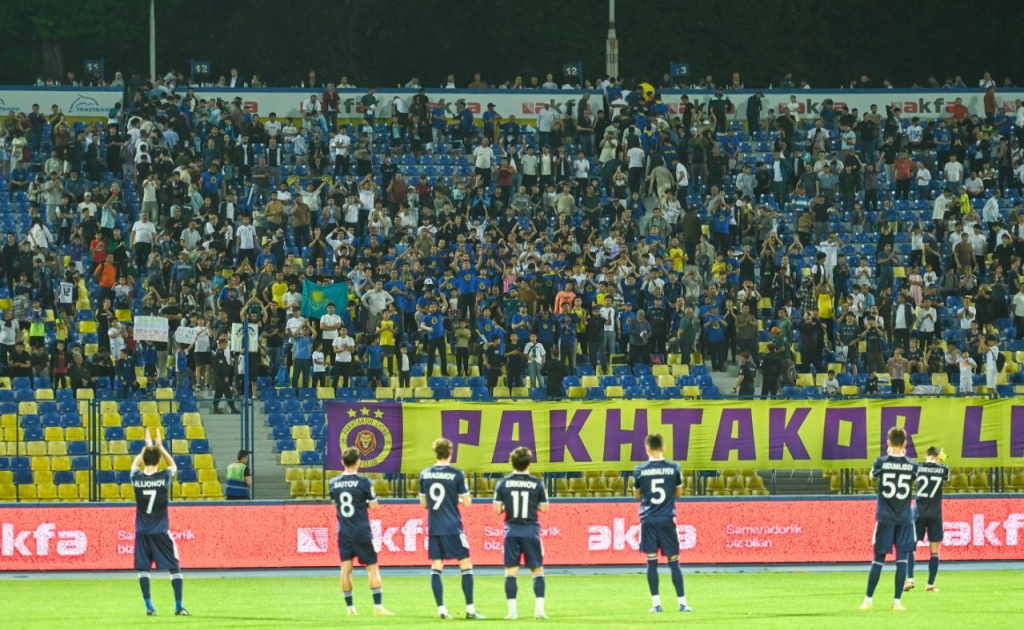
Paxtakor Football Club, one of Uzbekistan's most decorated teams and the capital city’s pride, ended the year 2025 with a substantial financial loss exceeding 50 billion Uzbek soms, according to the club's recently released financial statements. This marks a dramatic reversal from 2024, when the club reported a net profit for the first time in years.
Financial Overview and Tax Liabilities
In 2025, Paxtakor’s total revenue amounted to approximately 78.9 billion soms, comprising 15.3 billion soms from core activities and an additional 63.6 billion soms from other income sources. However, the club's expenses soared to 128.9 billion soms, resulting in a net loss of 50.8 billion soms for the year.
Comparatively, in 2024, the club achieved a net profit of 36.9 billion soms, marking a positive financial turnaround after years of losses. The reversal highlights the volatility in the club’s financial health and underscores the challenges faced in maintaining consistent profitability.
On the tax front, Paxtakor paid nearly 11 billion soms in taxes during 2025 but ended the year with a significant tax debt of 17.1 billion soms. This outstanding liability further complicates the club’s financial position.
State Ownership and Future Funding Challenges
Currently, the club is wholly owned by the Tashkent City Administration, with Jahongir Ortiqxo’jayev, former mayor of Tashkent and entrepreneur, serving as the club’s chairman. The State Asset Management Agency had announced plans to privatize the club early in 2024. However, no official updates have been provided since, and Ortiqxo’jayev has expressed a reluctance to pay even a nominal fee for privatization, signaling potential roadblocks in the planned transfer of ownership.
From 2026 onwards, Uzbekistan’s Super League participants will receive direct state subsidies, with 35 billion soms allocated per club in the initial year. These allocations are, however, scheduled to decrease incrementally—to 30 billion soms in 2027 and 25 billion soms in 2028—as part of a broader initiative to encourage clubs to establish independent revenue streams and reduce reliance on government funding.
"The phased reduction in state financing aims to motivate clubs to develop sustainable, autonomous business models," a football industry analyst noted.
For Paxtakor, which finished second in the Super League in 2025 with 60 points after winning the championship in 2023, these financial shifts will require strategic adaptation, particularly in exploring digital revenue channels and commercial partnerships.
Implications for Fintech and Digital Economy in Sports
The financial distress experienced by Paxtakor underscores the pressing need for football clubs in Uzbekistan to innovate their revenue models beyond traditional sponsorships and state subsidies. The rise of digital payment solutions, cryptocurrency-based fan engagement platforms, and digital banking services tailored to sports organizations could offer new avenues to monetize fan loyalty and streamline financial management.
Additionally, the growing importance of cybersecurity in protecting financial transactions and digital assets will be critical as clubs explore digital economies and fintech integration. As the Uzbek football sector navigates these transformations, tech-driven financial strategies will be essential to ensure long-term viability and competitive success.