Central Bank Maintains Key Interest Rate Amid Persistent Food Price Inflation and External Risks
Despite easing inflation trends, Uzbekistan's central bank keeps rates steady to address rising food costs and global economic uncertainties.
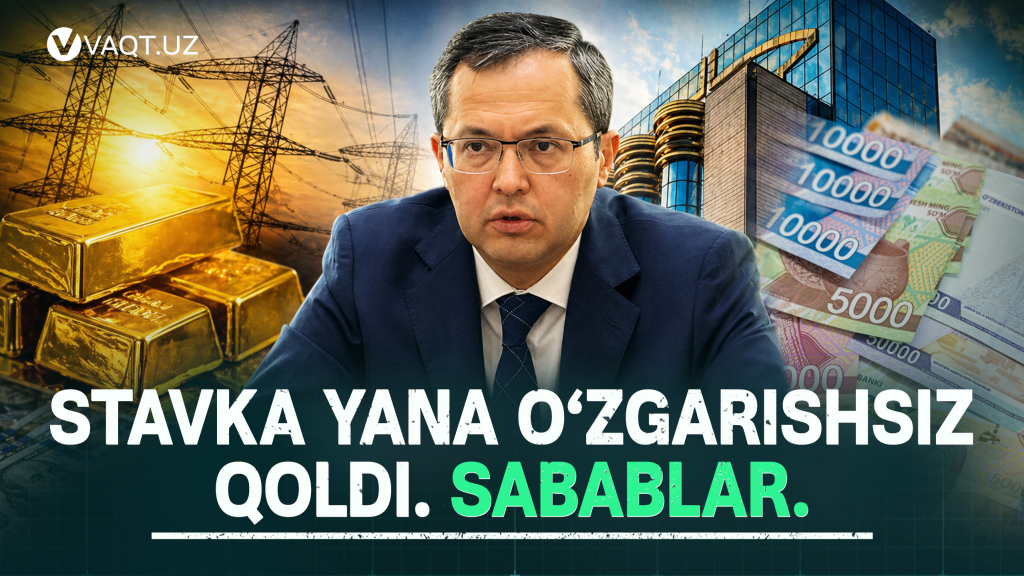
On April 29, Uzbekistan's Central Bank announced the decision to maintain the key interest rate at an annual level of 14 percent. This move reflects a cautious stance amid ongoing inflation dynamics and external economic risks.
According to the regulator, overall inflation shows a downward trend, with annual inflation reaching 7.1 percent in March 2024. Inflation expectations have also declined, signaling a positive outlook. However, the persistent rise in food prices remains a significant challenge. Prices for essential consumer goods continue to increase at a rate above general inflation, complicating monetary policy adjustments.
Monetary Policy in the Context of Inflation and Economic Growth
Temur Ishmetov, the Chairman of the Central Bank, emphasized that the only option considered during the recent meeting was to keep the key interest rate unchanged. While inflation is generally decreasing, the process has slowed, and some segments show no signs of relief. Energy tariffs and utility prices play a crucial role in inflation calculations. Although a tariff indexation of up to 10 percent was announced at the beginning of the year, exact figures remain unconfirmed.
"The inflation reduction process is ongoing but uneven, with certain sectors still experiencing pressure," said Central Bank Chairman Temur Ishmetov.
External economic factors further exacerbate the situation. The International Monetary Fund has downgraded its global economic growth forecast and highlighted persistent inflation risks. Fluctuations in energy and food prices are expected to impact the domestic market significantly.
Meanwhile, Uzbekistan's economy expanded by 8.7 percent in the first quarter, surpassing projections. This robust growth could heighten internal demand and intensify inflationary pressures, which the Central Bank has taken into account in its decision-making process.
The state bank privatization program is also underway, involving institutions such as Sanoatqurilishbank, Aloqabank, and Asakabank. While the Central Bank does not participate directly, it contributes through evaluation and analysis efforts.
Regarding foreign exchange policy, the regulator confirmed its commitment to a free-floating exchange rate regime, avoiding artificial interventions in the currency market.
Looking ahead, the Central Bank has highlighted that the future trajectory of inflation and associated risks will be decisive. Should inflationary pressures ease, a reduction in the interest rate might be possible. Conversely, persistent inflation could necessitate further tightening of monetary policy.


