Income Inequality Widens in Germany Amid Soaring Executive Pay and Stagnant Worker Salaries
Oxfam analysis reveals a 56% rise in CEO compensation in Germany's DAX 40 firms since 2019, while average worker wages lag behind pre-pandemic levels.
Income disparity in Germany continues to widen sharply, with top executives in major companies earning substantially more while average worker wages remain stagnant or decline, according to a recent analysis by the international charity network Oxfam.
Soaring Executive Pay Amid Wage Stagnation
Since the onset of the COVID-19 pandemic, the gap between the earnings of corporate leaders and employees has grown dramatically. Globally, CEO salaries have increased by 54% adjusted for inflation from 2019 to 2025, rising from an average of $5.5 million (4.7 million euros) to $8.4 million (7.1 million euros). By contrast, real wages for typical employees have dropped by 12% over the same period.
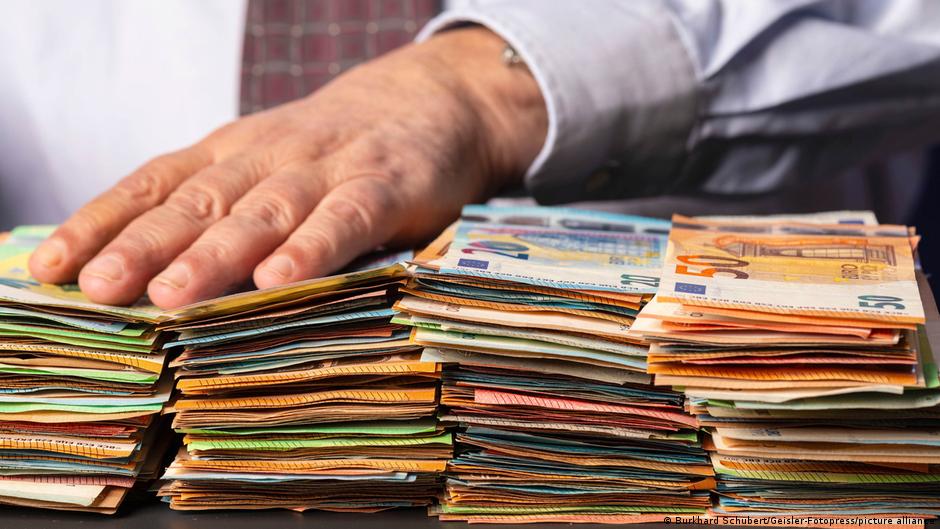
In Germany, this trend is mirrored among the 25 chief executives of companies listed on the DAX 40 index. Their average remuneration has surged by 56%, from approximately 4.5 million euros in 2019 to nearly 7 million euros in 2025. Meanwhile, inflation-adjusted wages for ordinary employees remain just below their pre-pandemic levels.
"This growing inequality poses a threat to our democracy," Oxfam stated, highlighting the disconnect between executive compensation and everyday workers’ financial realities.
Many households in Germany are currently struggling with rising inflation, which erodes purchasing power, making it challenging to cover essential expenses such as energy bills, housing rents, and food. Meanwhile, top management remuneration continues to escalate, creating a widening economic divide.
Oxfam's report also points out that nearly 1,000 billionaires, whose investment portfolios were analyzed, collectively earned $79 billion (67 billion euros) in dividends in 2025 alone. It notes the paradox that billionaires often pay lower effective tax rates than the average employee, exacerbating income inequality.
Policy Recommendations Amid Economic Challenges
To address the growing social and economic divide, Oxfam recommends that Berlin implement higher taxation measures targeting the ultra-wealthy at both national and global levels. Additionally, the introduction of a minimum wage of at least 15 euros per hour is proposed as a necessary step to combat further social inequality.
These socioeconomic tensions are compounded by geopolitical and economic uncertainties. For example, the ongoing conflict involving the US and Israel against Iran is predicted to reduce Germany's economic growth by at least 0.2 percentage points, according to a March forecast from the Munich-based ifo Institute for Economic Research.
The escalation in the Middle East has also triggered spikes in oil and gas prices and disrupted supply chains. German shipping companies face increased costs and delays as they navigate around the Persian Gulf, further impacting logistics and trade expenses. Rising global uncertainty continues to pressure the German economy, underscoring the urgency of addressing wage disparity and economic resilience.