US Tariff Hike Threatens German Economy and Digital Payment Ecosystem in 2026
Munich’s ifo Institute warns of recession risks for Germany amid escalating US-EU auto tariffs impacting fintech and trade flows.

Germany faces the prospect of a recession in 2026 following the U.S. announcement to raise import tariffs on European Union automobiles, according to a warning from Munich’s ifo Institute for Economic Research. The escalation of trade tensions, triggered by a 25% tariff increase on cars and trucks imported from the EU, threatens to disrupt not only traditional manufacturing sectors but also the broader digital economy, including fintech, cross-border payments, and financial services tied to automotive trade.
Trade War Risks and Economic Fallout
The ifo Institute’s president Clemens Fuest cautioned that if the EU retaliates with reciprocal tariffs, Germany’s economic growth could suffer a significant setback, pushing the country toward recession. The German automotive industry, a critical component of the EU’s export portfolio and a driver of economic activity, stands at the epicenter of this conflict. The tariff hike could amplify challenges in an already complex environment for German automakers.
“If this leads to a new trade war, Germany faces the threat of recession in 2026,” said Clemens Fuest.
Jens Südekum, advisor to Germany’s Finance Minister Lars Klingbeil, advised caution and recommended that Brussels await the actual implementation of tariffs before enacting countermeasures. This measured approach aims to avoid unnecessary escalation while preparing contingency plans for the digital and industrial sectors.
Implications for Fintech and Digital Payment Systems
The repercussions of the tariff increase extend beyond manufacturing to impact the fintech and digital payments ecosystem deeply intertwined with global trade. Cross-border payment providers facilitating transactions between EU automakers, suppliers, and U.S. distributors could face increased transaction costs and delays due to tariff-induced supply chain disruptions. Such friction may stimulate demand for more resilient and innovative payment solutions, potentially accelerating digital banking and cryptocurrency adoption as businesses seek to mitigate currency risks and operational inefficiencies.
The planned 25% tariff effectively initiates an economic conflict with Germany, highlighted by automotive expert Ferdinand Dudenhöffer, who described the move as “the start of an economic war against Germany.” This economic pressure could prompt German firms and financial institutions to accelerate investments in digital infrastructure, cybersecurity, and alternative financing models to safeguard against trade volatility.
Political Context and Market Reactions
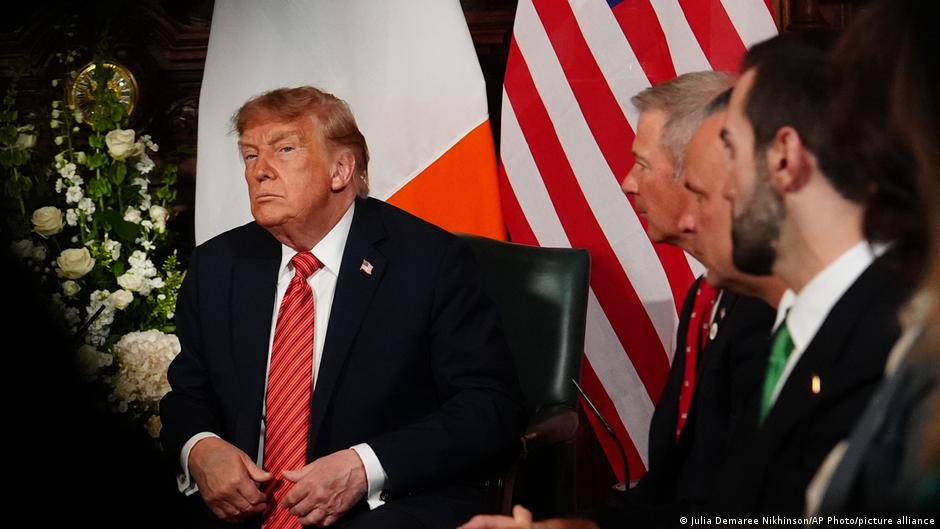
U.S. President Donald Trump justified the tariff increase by accusing the EU of violating prior trade agreements and maintaining an unfair trade surplus with the U.S. The tariffs exclude vehicles produced within the U.S., signaling a protectionist push that prioritizes domestic manufacturing.
The EU had previously agreed to reduce auto tariffs retroactively from 27.5% to 15% in a comprehensive trade deal with the U.S. signed in September 2025. The agreement also included commitments by the EU to remove tariffs on American industrial goods and open markets to U.S. agricultural products. However, the recent tariff hike undermines this framework, exacerbating geopolitical tensions.
The tariff announcement closely followed President Trump’s sharp criticism of German Chancellor Friedrich Merz, urging him to focus on resolving the Ukraine conflict instead of intervening in U.S.-Iran policy. These political frictions add layers of uncertainty to trade and economic stability, influencing investor confidence in German tech stocks and fintech ventures exposed to international markets.
Outlook for German Fintech and Digital Economy
As Germany braces for potential recessionary pressures, fintech firms and digital banks must prepare for increased volatility in cross-border trade finance and payments. A shift toward blockchain-based transaction platforms and enhanced cybersecurity measures may become vital to navigating increased regulatory scrutiny and operational risks.
The unfolding trade dispute serves as a critical reminder of how geopolitical developments can directly impact the digital economy, influencing everything from payment flows to tech stock valuations. Stakeholders in the fintech and digital banking sectors should monitor progress closely and adapt strategies to sustain growth amid ongoing global trade uncertainties.