US Senate Rejects Resolution to End Military Engagement in Iran, Impacting Policy Certainty
Senate votes against limiting presidential war powers on Iran, prolonging geopolitical uncertainty with potential fintech and digital economy repercussions.
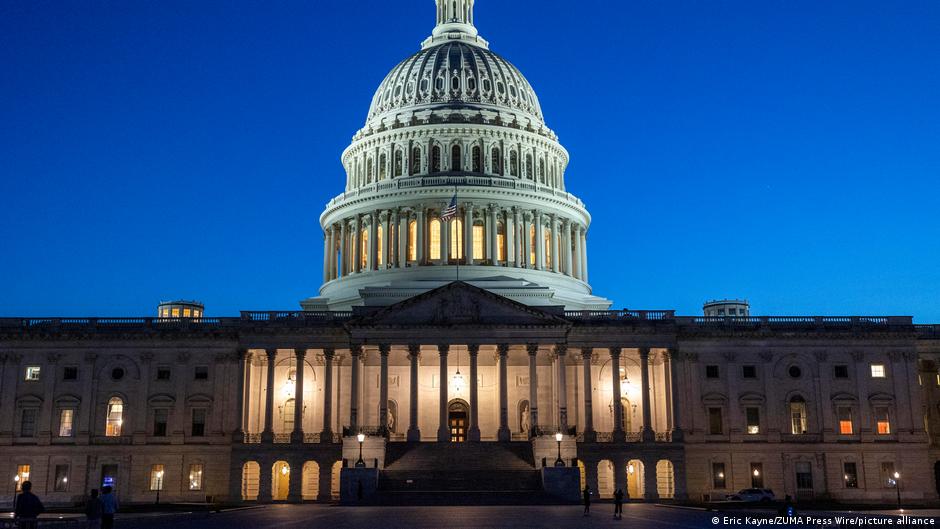
The United States Senate has once again declined to constrain the president's authority to conduct military operations without Congressional approval, voting down a resolution aimed at ending the conflict with Iran. This marks the fourth such decision within a single year, underscoring ongoing political divisions over war powers and their broader implications.
Senate Votes Against Resolution to End Hostilities in Iran
On April 15, the Senate voted 52 to 47 against a resolution proposed by Democratic legislators that would have required President Donald Trump’s administration to halt military actions against Iran and withdraw American forces from conflict zones unless Congress explicitly authorized continued use of force.
Currently controlled by the Republican Party, the Senate’s composition played a crucial role in the resolution’s defeat. Democrats have consistently condemned the military engagement with Iran as lacking legal and ethical justification and have pledged to renew efforts to compel Congressional votes aimed at ending the conflict.
"The military campaign against Iran is illegal and unjustified," said Democratic sponsors of the resolution, emphasizing their commitment to persistent legislative action until the conflict concludes.
Since early 2026, the Senate has repeatedly deferred its constitutional responsibility to authorize war, effectively allowing the executive branch to operate with broad discretion. Under the War Powers Resolution of 1973, Congress must declare war or officially endorse military force within 60 days of hostilities commencing. This deadline approaches by the end of April, with a possible 30-day extension available.
Lawmakers anticipate that the Trump administration will soon release a comprehensive plan addressing de-escalation and conflict resolution measures. However, debates over Congressional oversight and the executive’s unilateral military authority remain a pivotal issue in the US domestic political landscape.
Implications for Fintech, Digital Economy, and Market Stability
The Senate’s decision to uphold the president’s war powers without stringent checks contributes to sustained geopolitical uncertainty. Such uncertainty can have cascading effects on the fintech sector, digital payments, and technology markets, which are sensitive to geopolitical risks.
Financial technology firms and digital banking platforms depend on stable regulatory and economic environments. Military conflicts and unresolved political disputes often trigger volatile market conditions, impacting investment flows, currency stability, and cross-border digital transactions.
Moreover, cybersecurity concerns escalate in scenarios of heightened geopolitical tensions. State-sponsored cyber operations and retaliatory cyberattacks tend to increase during active conflicts, posing risks to digital infrastructure that fintech companies and digital banks rely upon.
Investors in tech stocks and crypto assets also monitor geopolitical developments closely. Uncertainty around US military engagements can influence market sentiment and capital allocation decisions, particularly in sectors tied to digital innovation and global connectivity.
As the Senate declines to impose additional limitations on the executive’s military actions, stakeholders in the digital economy must remain vigilant. The evolving political situation underscores the importance of robust cybersecurity measures and adaptable business models in the fintech landscape.