Germany Approves Arms Exports to Israel Amid Ongoing Conflict Despite Restrictions
Berlin authorized millions in arms shipments to Israel during the US-Israel conflict with Iran, reflecting complex export rules and geopolitical considerations.
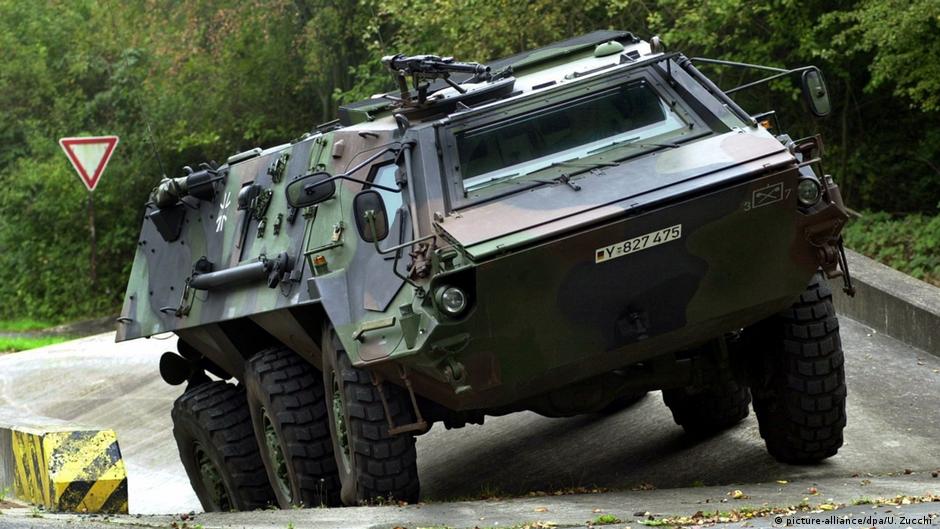
Germany has continued to approve arms exports to Israel even after the onset of hostilities between Israel, the United States, and Iran. Between February 28, when the conflict escalated, and March 27, Berlin authorized shipments valued at €6.6 million, despite export regulations that generally prohibit arms sales to active war zones.
Arms Export Policies Amid Conflict
The German government's export guidelines, established in 2000 by the then "red-green" coalition, typically forbid weapons exports to regions experiencing wars or crises. However, there are notable exceptions, including support for Ukraine in its defensive war against Russia and aid to Israel, which is regarded as a special case.
Following the Hamas terrorist attack on Israel on October 7, 2023, Germany initially increased arms deliveries to Israel as a gesture of solidarity. The coalition government under Chancellor Olaf Scholz issued export licenses worth nearly half a billion euros for weapons shipments to Israel that year.
"Solidarity with Israel does not mean we endorse every decision made by its government, nor are we obliged to provide military aid indefinitely," said Chancellor Friedrich Merz upon instituting a partial embargo.
However, growing dissatisfaction with Israel's conduct in the ongoing conflict led Chancellor Friedrich Merz to impose a temporary halt on export licenses for arms that could be used in the Gaza war on August 8, 2025. This partial embargo sparked frustration both within Israel and among Merz's Christian Democratic Union party colleagues.
After three and a half months, following a ceasefire agreement between Israel and Hamas, Germany lifted the export restrictions. Notably, even during the partial embargo, the German Ministry of Economics issued export permits totaling €10.44 million.
Implications for the Defense Industry and Digital Economy
The approval and suspension of arms exports to Israel highlight the tension between geopolitical strategy and regulatory compliance. For fintech and digital economy sectors, these developments underscore the significance of cybersecurity and risk management amid geopolitical instability. Arms export approvals can affect defense contractors' stock performance and influence investment decisions in defense-related technologies.
Moreover, the complex export controls and their enforcement involve digital tracking systems and compliance software, sectors witnessing growing demand. Financial transactions related to these exports require robust anti-money laundering (AML) and sanctions screening technologies, further integrating fintech solutions with defense export regulation.
Ulrich Thoden, a deputy from the Left Party, criticized the German government's policy, accusing it of fueling the conflict with Iran through arms exports. He called for an immediate and complete cessation of arms shipments to Israel:
"The profit interests of the military-industrial complex never serve peace—neither in the Middle East nor anywhere else. On the contrary, they fuel wars that claim countless human lives and can deprive entire peoples of economic well-being," Thoden stated.
This statement echoes concerns about the broader impact of defense spending on economic stability and highlights the ethical considerations for investors and policymakers in the digital age, where transparency and accountability in arms trade finance are increasingly demanded by stakeholders.
In summary, Germany's ongoing arms exports to Israel amidst conflict illustrate the complicated intersection of international security, government policy, and the evolving fintech landscape that supports compliance, payments, and risk management in defense-related transactions.