US Supreme Court Allows Trump to Continue White House Ballroom and Bunker Construction
The ruling permits the Trump administration to proceed with White House renovations including a ballroom and military bunker despite prior court restrictions.
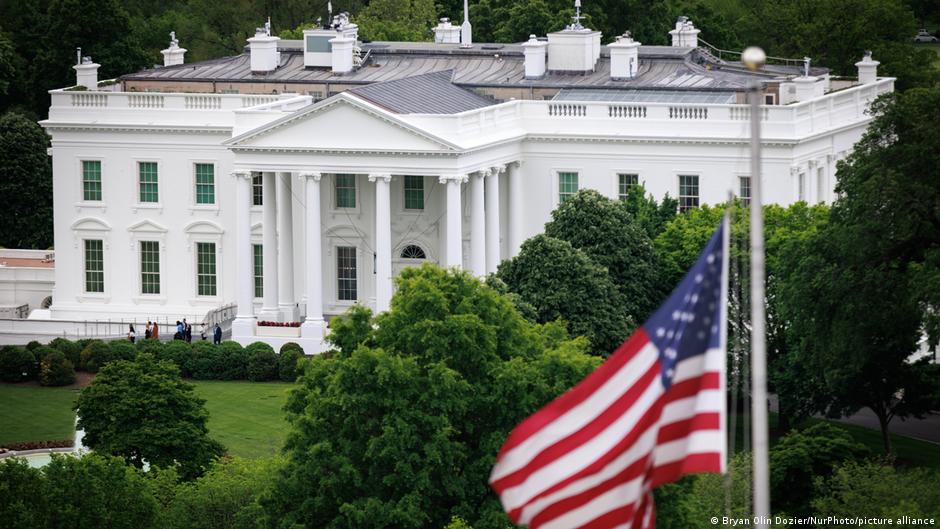
The US Supreme Court has granted former President Donald Trump permission to proceed with the reconstruction of the White House, which includes the construction of a ballroom and a military bunker. This ruling temporarily overturns lower court decisions that had halted the project.
Legal Challenges and National Security Justifications
On August 21, Chief Justice John Roberts temporarily blocked decisions from lower courts that sought to stop the expansive renovation efforts. Earlier, the Federal Appeals Court in Washington had prohibited Trump from continuing the large-scale White House remodeling, citing that the current administration does not hold "unlimited powers" to redesign and rebuild the historic residence according to the personal preferences of the president.
The Trump administration challenged this restriction, emphasizing that the new complex—a ballroom alongside a military bunker—would be "the greatest structure of its kind" and crucial for national security. Trump argued the project was not only a matter of refurbishment but also a strategic imperative.
Last year, without Congressional approval, Trump ordered the demolition of the entire historic East Wing of the White House to make way for these developments. This move sparked significant controversy, given the building's heritage status and the scale of the changes.
Implications for Digital Economy and Security Infrastructure
While the renovations are primarily physical, they have broader implications in the context of the digital economy and national security infrastructure. The inclusion of a military bunker suggests enhanced cybersecurity and secure communications capabilities could be integrated into the White House complex. This aligns with growing concerns about protecting critical government operations from cyber threats and digital espionage.
"This project will set a new standard for secure government facilities, integrating advanced protective measures essential in an era of increasing cyber risks," experts note.
Moreover, these structural changes may influence the technological landscape around government operations, potentially fostering innovations in secure digital communications and infrastructure. Given the White House's symbolic and operational significance in the digital age, upgrades could serve as a catalyst for broader modernization efforts in governmental fintech and cybersecurity frameworks.
Trump’s vision extends beyond the ballroom and bunker. According to reports, he plans to reshape Washington's iconic landmarks by reconstructing the Reflecting Pool area to accommodate a 76-meter triumphal arch nearly three times the height of Berlin's Brandenburg Gate. If realized, such monumental projects could attract significant investment in construction technology, smart building integration, and related tech stocks.
These developments highlight the intersection of physical infrastructure modernization with digital security needs and fintech innovation, underscoring how government facility upgrades can ripple through the digital economy ecosystem.