US Defense Firms Warn Ukraine Could Enhance and Mass-Produce Patriot Missiles
Raytheon and Lockheed Martin fear licensed missile tech could lead to Ukrainian upgrades and large-scale production impacting US defense supply chains.
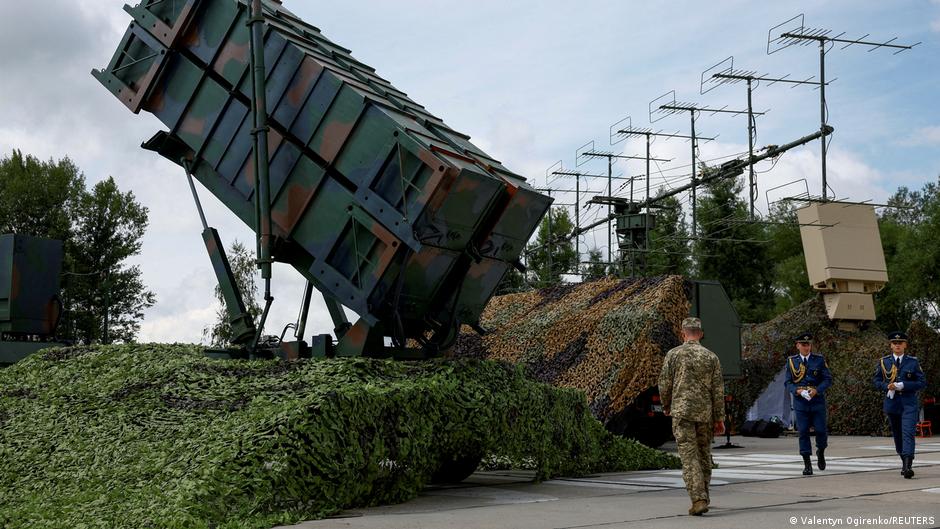
Leading US defense contractors Raytheon and Lockheed Martin have expressed concerns that, if granted licenses, Ukraine might not only produce Patriot missile interceptors but also improve upon their design and mass-produce them more efficiently and cost-effectively than US production lines, according to reports citing US congressional sources.
Intellectual Property and Strategic Risks Highlighted
The apprehensions center on potential intellectual property theft and technology transfer risks. The American manufacturers fear that disseminating sensitive missile technology could undermine US strategic advantages, especially if Ukraine begins producing enhanced versions of the missiles independently.
"American defense companies officially cite concerns about intellectual property theft and technology transfer," said a congressional insider supporting licensing to Kyiv.
These issues come amid ongoing debates within the US government about extending military support to Ukraine, which has been engaged in a high-intensity conflict with Russia since early 2022.
Ukraine’s Push for Patriot Missile Licenses
Ukrainian President Volodymyr Zelensky revealed that he first requested licenses for Patriot missile systems from then-President Joe Biden during the initial year of the war. While an agreement was reportedly reached with former President Donald Trump to issue these licenses, bureaucratic delays have stalled progress.
Zelensky emphasized the urgency, stating, "We are not dealing with paper today, but with real missiles that kill people. If Americans should provide them, then Europeans should also act, as we have been working with them on licensing issues for some time." The licensing would potentially allow Ukraine to manufacture or upgrade the critical missile interceptors for its own defense.
US Political Dynamics and Impact on Military Aid
According to reports, Ukrainian officials raised the licensing issue with high-level US Pentagon and national security figures during the Biden administration, but their requests were declined without detailed explanation. The US government’s hesitation appears linked to concerns about the impact on domestic missile supplies and broader geopolitical considerations.
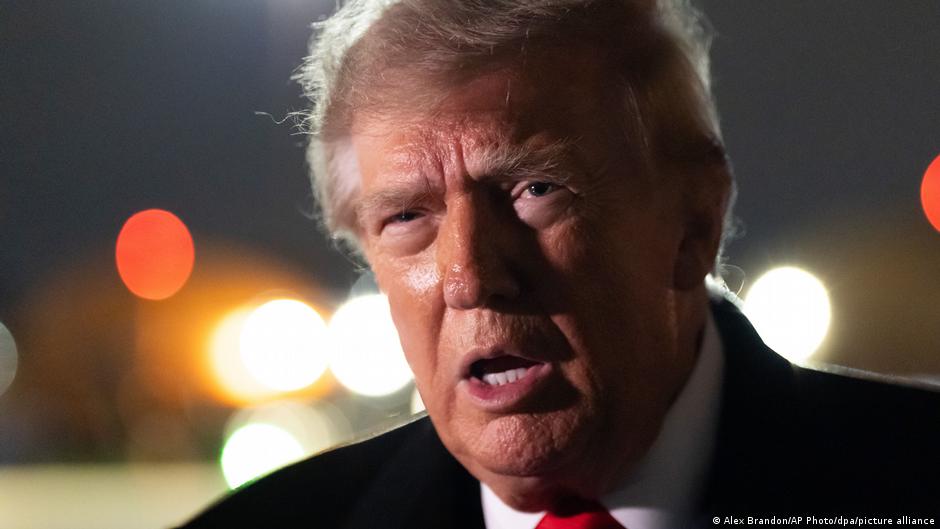
Former President Trump has criticized the Biden administration for what he describes as depletion of US ammunition stocks through aid to Ukraine. In a recent interview, Trump remarked, "Biden gave him (Zelensky) $300 billion worth of ammunition. When I left office, all stocks were full, but Biden distributed a very large portion. Now we are replenishing with very powerful and good ammunition, but we would not have used them otherwise." When asked about sending additional Patriot interceptors to Kyiv, Trump responded, "We need missiles ourselves."
The possibility that Ukraine could produce surplus Patriot missiles for use by the US or for resale to Washington’s allies before the conflict ends is reportedly a key factor in US reluctance. This raises complex issues at the intersection of security, defense manufacturing, and international trust.
Implications for Fintech and the Digital Economy
This defense licensing debate also intersects with broader themes relevant to the fintech and digital economy sectors, particularly in the domains of cybersecurity, supply chain integrity, and technology control. The transfer of sensitive technology highlights the importance of secure digital platforms to safeguard intellectual property and prevent cyber-espionage.
Moreover, the aerospace and defense industries' adaptation to digital manufacturing techniques and automation could lead to faster production cycles, which in turn influence defense stock valuations and investor sentiment in tech stocks linked to military contracts.
As nations navigate the challenges of technology licensing, intellectual property rights, and geopolitical risk, the digital economy's role in securing and managing these assets becomes increasingly critical.