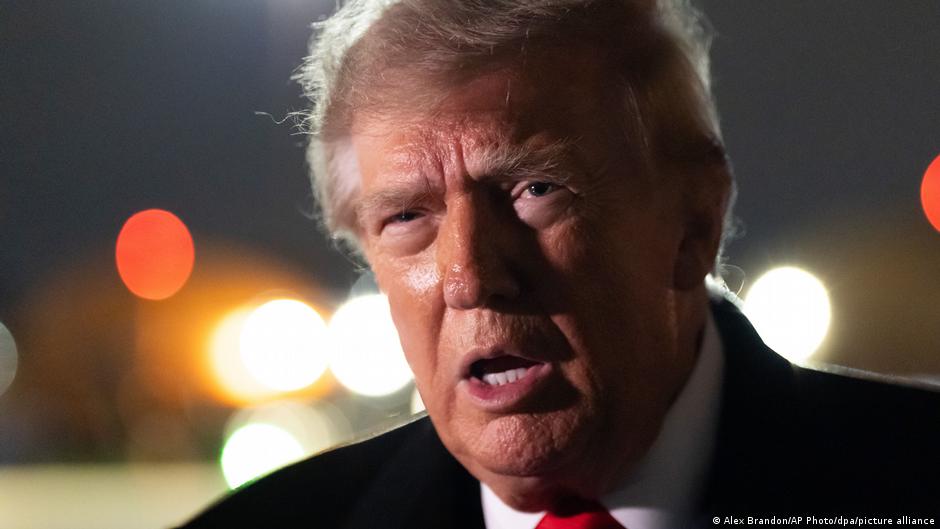
US Senate Advances Resolution to Halt Unapproved Military Action Against Iran
Senate pushes for presidential compliance with Congress on war powers amid ongoing Iran tensions
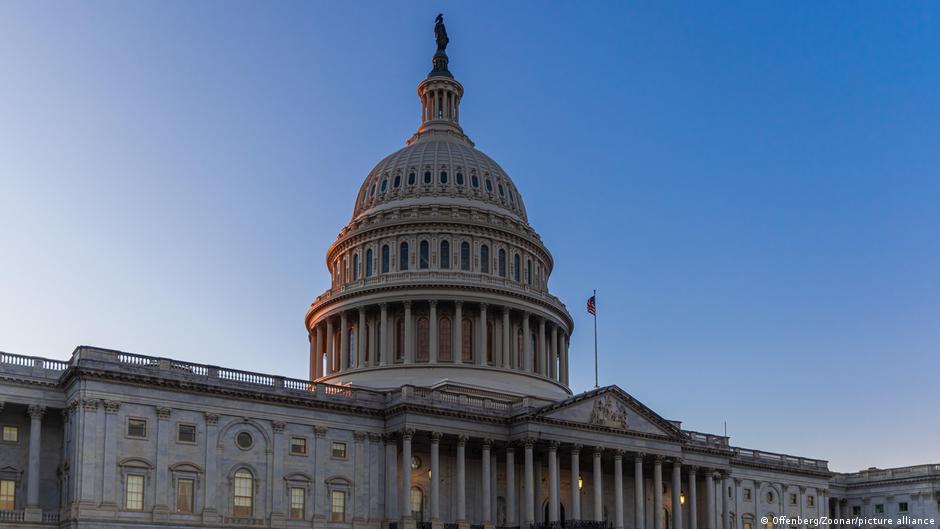
The US Senate took a significant step on May 19 by advancing a resolution that would require President Donald Trump to cease military operations against Iran unless he obtains explicit Congressional authorization. This move comes after seven previous attempts to pass similar measures were blocked, signaling a growing Congressional insistence on oversight in military engagements.
Implications for US-Iran Conflict and Oversight
The resolution mandates that the president must either stop all military actions concerning Iran or seek formal approval from Congress before proceeding further. A procedural vote saw 50 senators in support and 47 opposed, reflecting a deeply divided chamber. However, the absence of three Republican senators campaigning for reelection casts uncertainty over the resolution’s ultimate passage.
Initiated by Senator Tim Kaine, a Democrat, the procedural vote coincides with a fragile ceasefire between the US and Iran that has been in effect since early April. Kaine emphasized the importance of Congressional dialogue during this critical peace window, warning that the administration has been dismissive of diplomatic efforts without consulting lawmakers. “This is the perfect time for discussion before we restart war,” Kaine remarked.
The backdrop to this resolution is the War Powers Act of 1973, which restricts the president’s unilateral military engagement to 60 days without Congressional consent. When the 60-day limit expired on May 1, 2026, President Trump declared the conflict over, yet US forces continue to enforce blockades and carry out strikes on Iranian vessels, raising questions about compliance with the law.
“The president receives peace and diplomatic proposals that he throws in the trash without sharing them with us,” Senator Kaine stated, highlighting Congressional frustration over executive transparency.
From a fintech and digital economy perspective, ongoing geopolitical tensions with Iran have significant ramifications for global markets, including technology stocks and cross-border payment systems. Heightened conflict risk often accelerates volatility in cybersecurity markets as governments and private firms brace for potential cyberattacks linked to geopolitical disputes.
Moreover, sanctions and military actions impact the flow of digital payments and complicate cryptocurrency markets, which are increasingly used to circumvent traditional financial restrictions. Regulatory bodies may respond with stricter oversight on digital banking and crypto platforms to prevent illicit financing related to conflict zones.
The Senate’s push for tighter Congressional control over military operations underscores a broader trend toward accountability that could influence how digital assets and fintech firms navigate compliance in politically sensitive regions.