Russia Establishes Shadow Aviation Fleet to Support Military Operations in Africa Amid Sanctions
A covert aviation network facilitates Russian military supply flights to the Sahel region, bypassing Western sanctions through complex logistics.
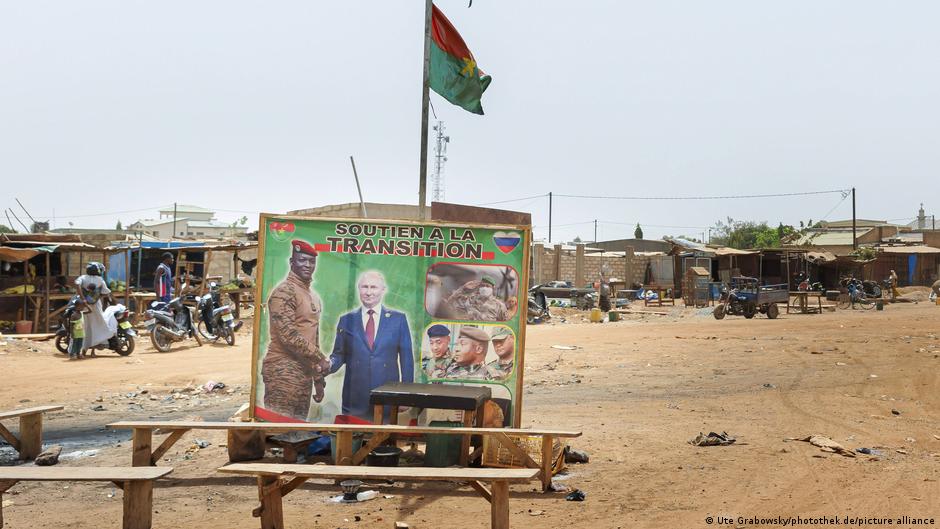
Russia has developed a "shadow aviation fleet" to supply its military personnel in the African Sahel region, circumventing Western sanctions through an extensive network of military and private aircraft. This revelation was reported by the Brussels-based portal Euractiv on August 22, referencing a detailed report from the U.S.-based Center for Advanced Defense Studies (C4ADS) published earlier on August 12.
Complex Logistics Network Circumventing Sanctions
According to C4ADS analysts, between January 2025 and July 2026, at least 75 flights were conducted from Russia to Mali, Burkina Faso, and Niger. This logistics chain is supported by a combination of military operators, government bodies, and private transport companies, mirroring the mechanisms Russia uses to operate its "shadow fleet" for seaborne oil exports.
"If these aircraft and companies knowingly transport Russian military personnel or military cargo to support units in Africa, targeted sanctions should be imposed regardless of aircraft registration," said Tomas Zdechovsky, Czech MEP from the European People's Party.
The most active carrier identified is the 224th Flight Detachment, a state-owned entity controlled by the Russian Ministry of Defense, which has already been subjected to U.S. sanctions. Additionally, the analysis highlights private companies such as Sapsan Airlines and Liz Aviation, as well as aircraft operated by Russia's Ministry of Emergency Situations. Notably, these entities are currently not under restrictions from the EU, U.S., or UK.
Euractiv emphasizes that this network exhibits a "comprehensive logistics system." State-owned aircraft frequently transit through Russian-controlled bases in Syria and Libya, while private carriers utilize commercial hubs in Turkey, Algeria, and the United Arab Emirates.
Implications for Sanctions and Fintech Security
The emergence of this shadow aviation fleet underscores the challenges in enforcing sanctions within the domain of global logistics and raises concerns about the vulnerabilities within aviation and financial networks facilitating such operations. For the fintech and digital economy sectors, this situation accentuates the importance of strengthening due diligence, supply chain transparency, and cybersecurity measures to detect and prevent illicit financing and asset movement.
Moreover, the aviation logistics involved rely heavily on digital booking systems, payment platforms, and cross-border financial transactions that may exploit gaps in regulatory oversight. Firms specializing in compliance technology, payment verification, and blockchain-based tracking could see increased demand as regulators and financial institutions seek to tighten controls.
The EU institutions and member states have been urged to urgently assess and respond to these findings, potentially expanding targeted sanctions to include all carriers and companies involved in supporting Russian military logistics in Africa. Such actions would not only disrupt these operations but also highlight the intersection of geopolitical conflicts with fintech compliance and digital banking security challenges.
"The case illustrates how geopolitical conflicts increasingly depend on complex digital and physical infrastructures that require a coordinated response from regulators, financial institutions, and technology providers," experts note.