Western Nations Condemn Israeli Minister’s Controversial Video Amid Gaza Flotilla Incident
EU and US criticize Israel for public display of detained Gaza flotilla activists, raising concerns over human rights and digital media use in geopolitical conflicts.
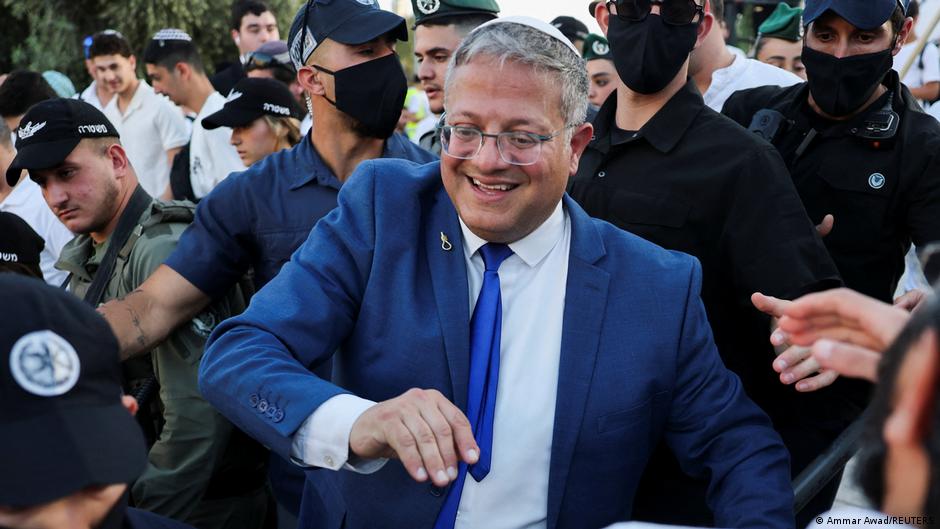
In a significant international backlash, Israel faced sharp criticism from the European Union, the United States, and several Western nations following the release of a controversial video by Israel's Minister of National Security, Itamar Ben-Gvir. The footage depicted detained pro-Palestinian activists from the "Sumud" flotilla, which attempted to reach the Gaza Strip, being humiliated while in custody. This incident highlights the increasingly complex role of digital media in modern geopolitical conflicts and raises concerns about the use of social platforms for political messaging.
Video Sparks Diplomatic Fallout and Raises Digital Ethics Questions
The video, posted on the social network X by Minister Ben-Gvir, shows activists detained by the Israeli navy in the port of Ashdod. They are seen kneeling with their hands tied behind their backs and heads bowed, while the minister walks among them waving an Israeli flag and shouting in Hebrew, "Welcome to Israel, we are the masters here." The accompanying caption referred to the activists as "supporters of terrorism."
"Every detainee must be treated with safety and dignity, in strict accordance with international law," emphasized Anuar El-Aouni, the EU's external action service spokesperson.
The public dissemination of this footage has raised questions about the ethical implications of using social media platforms to broadcast such sensitive content. The incident underscores how digital communications intersect with state actions and diplomacy, especially in conflict zones.
Following the video's release, countries including Italy, France, Canada, the Netherlands, Belgium, and Portugal summoned Israeli ambassadors to express their concerns. Spain, lacking an Israeli ambassador, summoned the charge d'affaires. Polish Foreign Minister Radosław Sikorski condemned the treatment of detainees, some of whom were Polish nationals, calling for justice and accountability for the actions captured on video.
The EU’s official stance was articulated by Anuar El-Aouni, who categorized the treatment of activists as "completely unacceptable" and reiterated the need to uphold detainees’ rights and dignity. EU foreign policy chief Kaja Kallas described the treatment as "humiliating and unacceptable," criticizing Minister Ben-Gvir’s conduct as unbefitting of a democratic state official.
Similarly, US Ambassador to Israel Mike Hakubi described the activists' attempt to reach Gaza as "a foolish stunt," yet condemned Ben-Gvir’s actions as having "betrayed the dignity of his nation." German Foreign Minister Johann Wadephul labeled the minister’s behavior as "absolutely unacceptable," emphasizing the contradiction with shared German-Israeli values.
Within Israel, Foreign Minister Gideon Saar publicly rebuked Ben-Gvir on social media, stating that the minister's "shameful show" deliberately damaged the state’s reputation and undermined the efforts of soldiers and diplomats. Prime Minister Benjamin Netanyahu acknowledged Israel's right to prevent provocative flotillas from breaching its territorial waters but stressed that the minister’s approach did not align with Israeli values.
Geopolitical Context and Implications for Digital Diplomacy
The "Sumud" flotilla departed from Marmaris, Turkey, on May 14 and was intercepted by Israeli naval forces on May 18 in international waters approximately 250 nautical miles from Gaza. Organizers report that 428 individuals from over 40 countries were detained. This is part of ongoing efforts by activists to challenge Israel’s naval blockade of Gaza, which the Israeli government justifies on security grounds, citing concerns over Hamas, a group designated a terrorist organization by the EU and US.
These events demonstrate the growing intersection between technology, media, and diplomacy. The viral nature of the video has amplified international scrutiny, highlighting how digital content can rapidly influence geopolitical narratives and diplomatic relations. The case also underscores the challenges governments face balancing security measures with respecting human rights in an era of pervasive digital communication.
As social networks become critical platforms for state messaging and international discourse, the ethical responsibilities around digital content related to detainees and conflict zones come into sharper focus. This incident may prompt renewed discussions in the fintech and digital economy sectors about the role of platforms in moderating sensitive geopolitical content, as well as the cybersecurity implications of state-sponsored digital campaigns.