Drone Attacks Ignite Fires at Russian Oil Storage Facilities, Raising Cybersecurity and Energy Security Concerns
Ukrainian drone strikes on oil depots in Krasnodar and Sevastopol trigger fires without casualties, highlighting vulnerabilities in critical infrastructure.
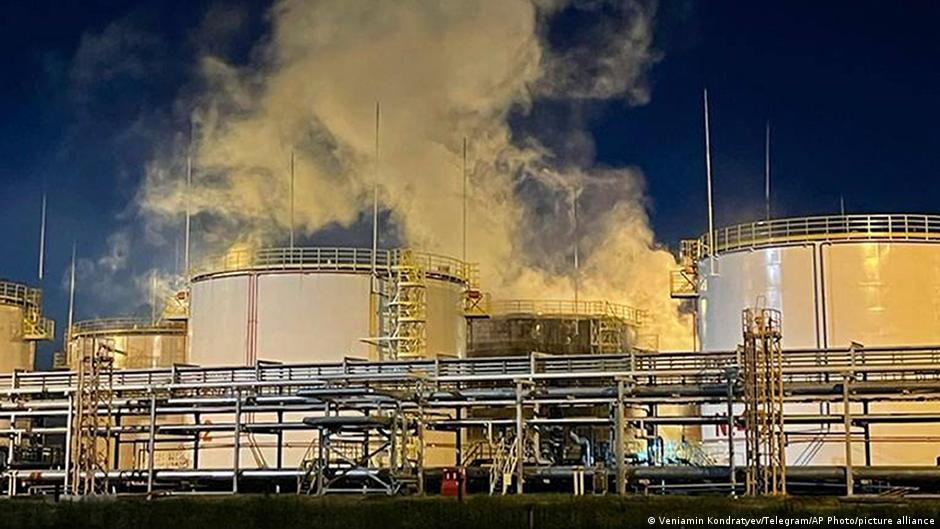
In the early hours of April 18, Ukrainian drone strikes targeted key oil storage facilities in Russia's Krasnodar region and the annexed city of Sevastopol, resulting in fires at both locations. While no casualties have been reported, the incidents underscore growing cybersecurity and operational risks facing the energy sector amid ongoing regional conflicts.
Drone Attacks Disrupt Oil Storage Operations
The oil depot in Tikhoretsk, Krasnodar Krai, caught fire after being hit by unmanned aerial vehicles (UAVs), according to the regional operations headquarters. Emergency response teams deployed 224 personnel and 56 units of equipment to contain the blaze. Officials confirmed there were no fatalities or injuries.
Simultaneously, in Sevastopol's Kazachya Bukhta microdistrict, a fuel storage tank also ignited following a drone strike. Mikhail Razvozhayev, the local administration head, indicated that the fire resulted from residual fuel catching fire after a UAV was shot down. The fire was relatively small, and no harm to civilians was reported.
"The fire involved a fuel tank with residual contents. Initial information suggests ignition was caused by a downed drone. The affected area is limited, and no casualties have occurred," stated Razvozhayev on his Telegram channel.
Sevastopol's air defenses reportedly intercepted 22 Ukrainian drones overnight, reflecting the scale and persistence of these attacks.
Broader Impact on Aviation and Security Measures
In response to the drone threat, a statewide air raid alert was declared in the Leningrad region. Rosaviatsiya, Russia's federal air transport agency, announced temporary restrictions on aircraft arrivals and departures at Pskov Airport. Additionally, the "Cover" plan—an emergency security protocol—was activated at several airports, including those in Saratov, Penza, Samara, and Ulyanovsk.
These events highlight vulnerabilities in critical infrastructure sectors, particularly energy storage and aviation, which rely heavily on integrated digital systems for operations and security. The use of drones as disruptive tools in hybrid warfare raises concerns about cybersecurity gaps and the need for enhanced protection mechanisms.
Implications for Fintech and the Digital Economy
The drone strikes' impact extends beyond physical damage, posing risks to financial markets and digital payment systems tied to energy commodities. Disruptions in oil supply chains can affect trading platforms, commodity prices, and investor confidence in energy sector stocks. Moreover, the increased militarization of cyberspace necessitates stronger cybersecurity frameworks for fintech companies involved in energy financing and trading.
Analysts suggest that such targeted attacks could accelerate investments in resilient digital infrastructure and promote adoption of blockchain-based supply chain tracking to improve transparency and risk management.