Russia Signals Potential Suspension of Gas Supplies to Armenia Amid EU Alignment
Moscow warns that Armenia’s deepening ties with the EU may jeopardize duty-free energy trade agreements and impact regional economic cooperation.
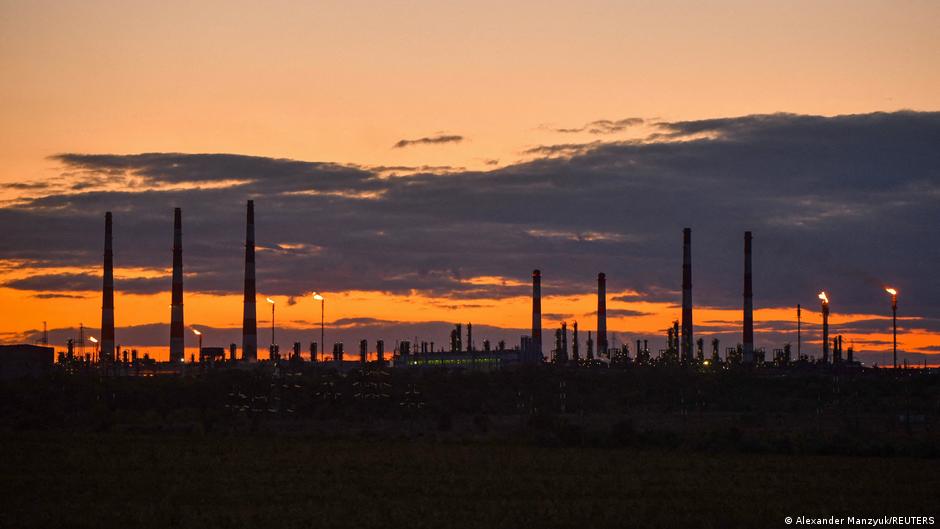
Russia has issued a stark warning to Armenia that its ongoing rapprochement with the European Union could lead to a suspension or denunciation of existing duty-free agreements on gas, oil products, and unprocessed diamonds. The threat was conveyed in a letter from Russian Energy Minister Sergey Tsybilev to Armenia's Ministry of Territorial Administration and Infrastructure, signaling potential disruptions in a long-standing trade and energy partnership between the two countries.
Implications for Armenia's Energy Security and Economic Relations
The duty-free regime for the supply of these key commodities from Russia to Armenia has been in place since December 2013, underpinning the close economic and trade ties between Moscow and Yerevan. According to the 2013 agreement, Russia provides Armenia with oil products and gas volumes aligned with Armenia’s internal consumption needs, explicitly prohibiting re-export to third countries.
However, the letter emphasizes that continued Armenian efforts to deepen integration with the EU and the government's declared ambition to join the bloc threaten the preservation of the "fundamentally high level" of Russian-Armenian trading and investment cooperation. Moscow now regards maintaining the duty-free arrangement as "impossible" under these political developments.
"The ongoing practical steps towards deeper cooperation with the European Union and Armenia's declared intent to join the EU endanger the continuation and development of the fundamentally high level of Russian-Armenian trade, economic, and investment cooperation," the letter states.
Additionally, the 2013 agreement specifies that if either party terminates the deal, Armenia remains obligated to compensate Russia for any unpaid sums or recognize these amounts as state debt until fully settled.
Armenia is heavily reliant on Russian energy supplies, with Russian gas and oil products constituting the primary sources of the country’s energy consumption. This dependence places Yerevan in a vulnerable position should Moscow decide to curtail supplies.
Broader Economic and Political Context
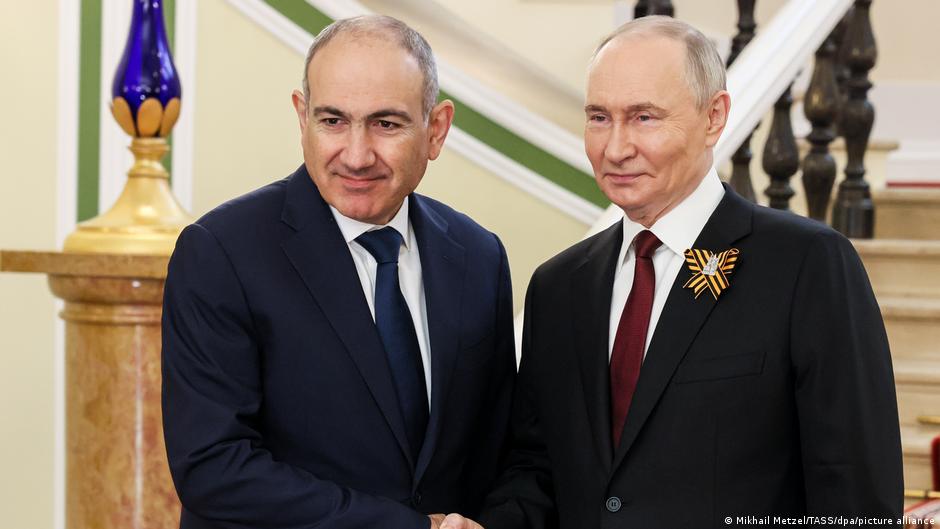
The warning arrives amid strained political relations following Armenia's increasing Western orientation. Earlier in May, Russia imposed restrictions on the import and sale of Armenian goods, including select wines, brandies, vegetables, fruits, and flowers. Russian President Vladimir Putin highlighted the need for Armenia to conclusively choose between the EU and the Eurasian Economic Union (EAEU), suggesting a "soft and mutually beneficial divorce" should Armenia pursue full EU integration.
Further signaling the gravity of the situation, Russian State Duma Deputy Speaker Petr Tolstoy indicated that preferential migration and employment terms for Armenian citizens in Russia could be revoked if Armenia loses its status as a strategic ally. The current benefits, including extended stays without registration and simplified work permits, are contingent on maintaining close political and economic ties.
At the time of reporting, Armenian government officials had not issued an official response to the Russian letter, leaving the future of this critical energy and trade relationship uncertain.
Fintech and Digital Economy Considerations
The potential disruption in energy supplies and the deterioration of Russia-Armenia economic ties carry significant implications for Armenia’s fintech and digital economy sectors. Energy security directly affects the operational costs of data centers, cryptocurrency mining farms, and digital infrastructure providers, which are increasingly vital to Armenia’s growing tech ecosystem.
Moreover, escalating geopolitical tensions could accelerate Armenia's pivot towards EU-aligned digital trade standards, cybersecurity frameworks, and financial technologies, potentially reshaping cross-border payment systems and investment flows. However, severed ties with Russia might also prompt short-term financial market volatility, impacting tech stocks and investor confidence in the region.
As Armenia navigates these complex geopolitical pressures, the interplay between energy dependencies and digital economic ambitions will be crucial for the country’s sustainable growth in the fintech and technology sectors.