
Business
Kyiv Missile Strike Kills One, Damages Metro Infrastructure
A Russian ballistic missile strike killed a 21-year-old woman, injured three people and damaged buildings and metro infrastructure across Kyiv.
Editorial Team · Oct 19, 2026
A Russian ballistic missile strike killed a 21-year-old woman, injured three people and damaged buildings and metro infrastructure across Kyiv.

Four Canadian soldiers were killed and dozens injured after strong winds drove a wildfire toward troops exercising at Base Wainwright in Alberta.
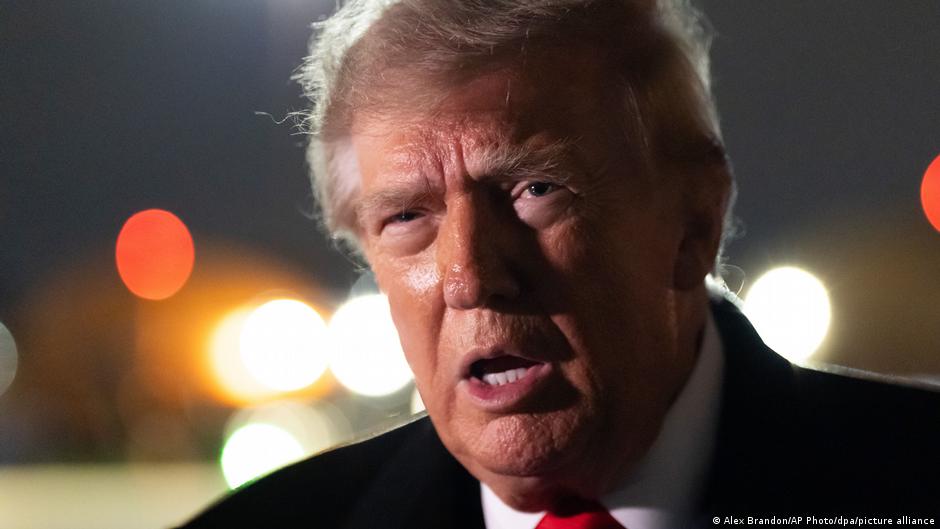
Trump postponed sweeping Russia sanctions, leaving payment firms, crypto platforms and tech investors exposed to uncertainty over energy trade and compliance.
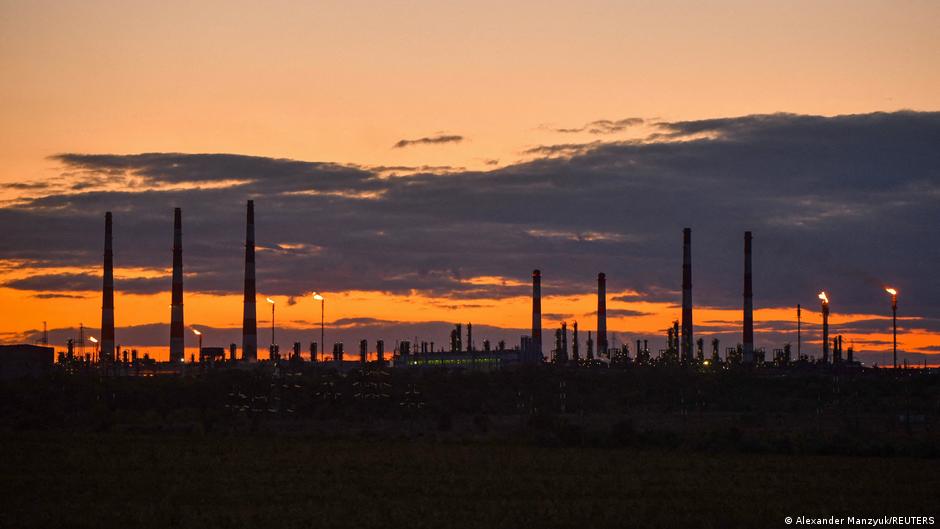
A reported US plan to restore Russian gas flows to Europe could reshape cross-border payments, sanctions compliance and the outlook for digital finance and tech stocks.

Russia designated two StopTime musicians as foreign agents, highlighting regulatory risks for creators relying on social platforms and digital services.

Power and water disruptions in Kyiv and Volyn highlight the physical infrastructure risks facing Ukraine’s payments, banking, crypto and technology sectors.
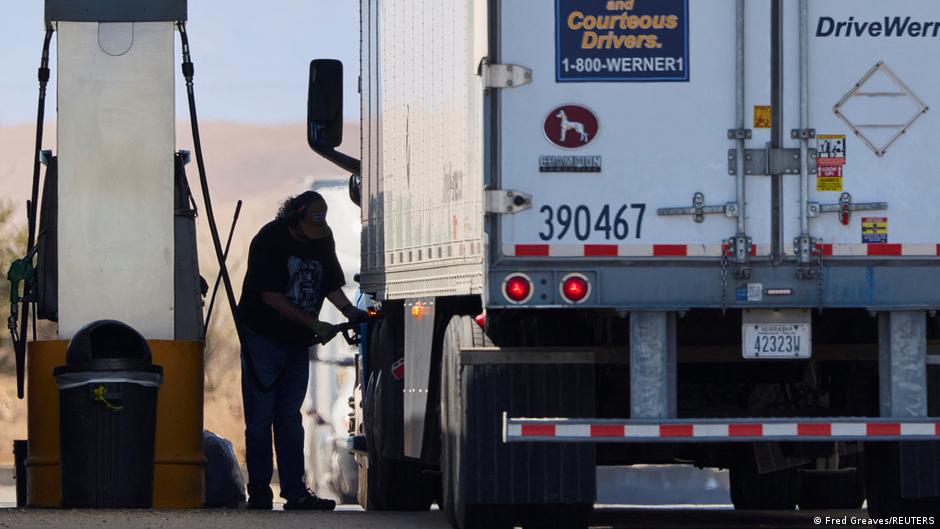
A bipartisan Senate group warns Trump’s Russian diesel deal could fund Moscow’s war while offering little relief to U.S. fuel consumers.

Finland’s Elina Valtonen urges an EU-wide halt to Russian tourist visas, adding pressure to Europe’s sanctions and compliance agenda.
Reported U.S. pressure on Ukraine over refinery strikes raises questions for energy markets, payments compliance, crypto risk and tech stocks.

A U.S. strike disabled a Panama-flagged cargo vessel near Iran, adding pressure to energy markets, trade finance and digital risk systems.
A bipartisan House bill would seek to ban Russian oil purchases, raising compliance questions for payments, banking and digital finance firms.

Zelenskyy criticized a U.S.-Russia diesel supply deal, warning that sanctions relief could fund war and raise risks for markets and payments.
Ukraine will meet Trump envoys on a new war plan as sanctions, Starlink access and data center strikes put digital infrastructure in focus.
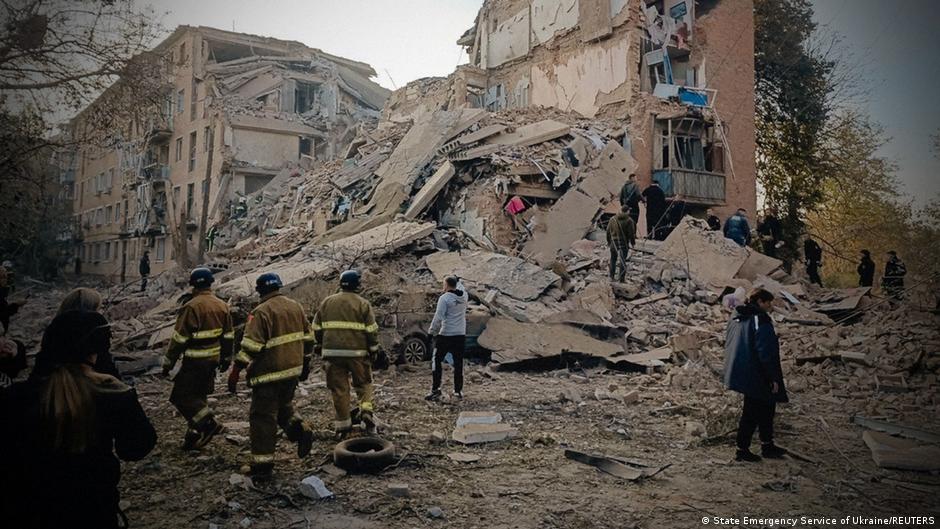
Ukraine said 28 people were killed in a Russian missile and drone barrage, raising fresh concerns over sanctions, payments and digital resilience.

A tanker fire off Sochi raises new compliance and market-risk questions around Black Sea oil flows, sanctions screening and shadow-fleet exposure.
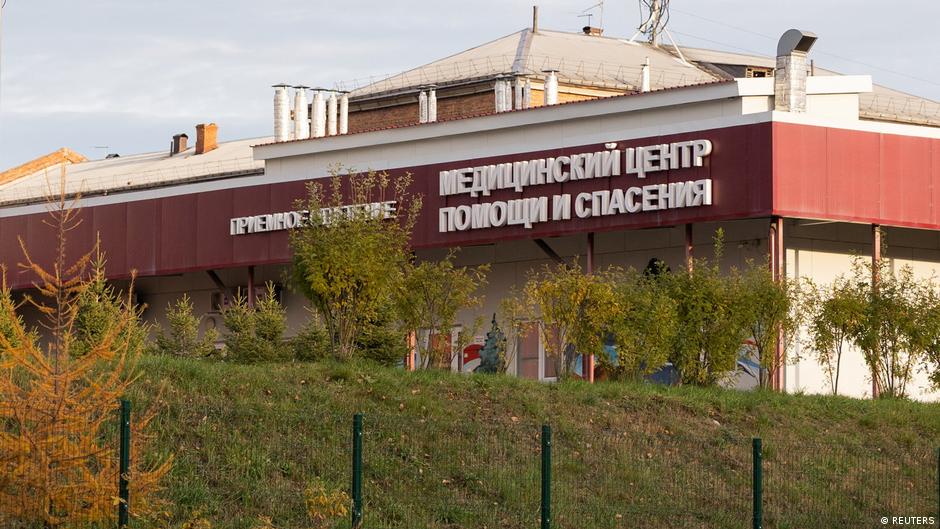
Trump plans a Putin call as the WHO asks Russia for more details on reports from Irkutsk, raising wider risk questions for markets and digital infrastructure.

Yemen’s new offensive near Mocha raises risks for Red Sea shipping, energy markets, payments and digital finance across the region.

Germany received over 12,000 military service refusal statements in eight months as recruitment reform tests digital administration and defense capacity.

Trump said the U.S. is monitoring reports from Irkutsk, as quarantine reports and border precautions raise digital-economy risk questions.
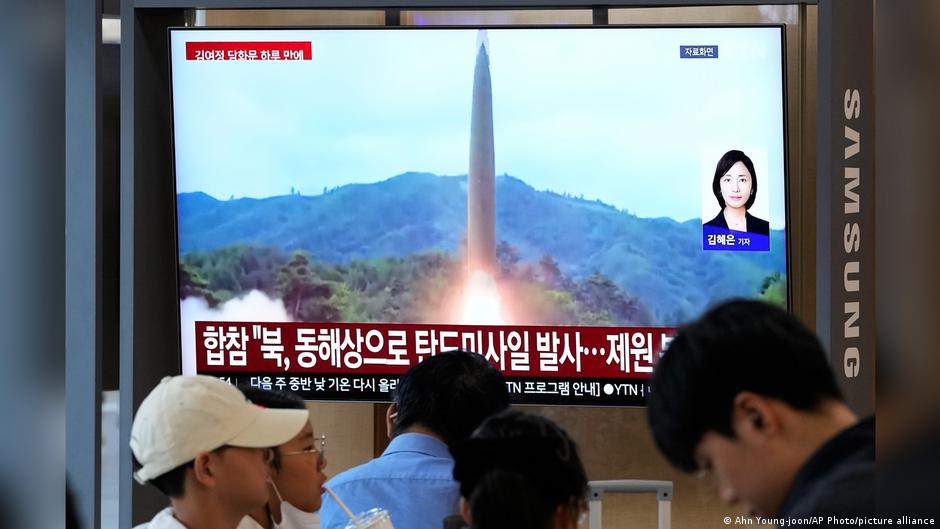
South Korea said North Korea fired at least one ballistic missile, adding a fresh geopolitical risk signal for fintech and tech markets.

German and Austrian raids over alleged Russia auto exports put sanctions compliance, bank monitoring and cross-border payments in focus.
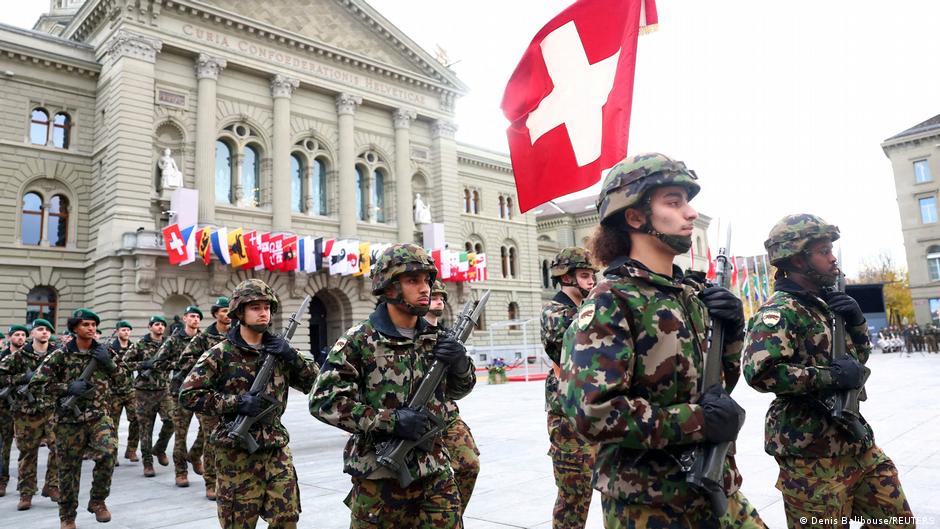
Swiss voters rejected a neutrality initiative that would have limited sanctions, preserving policy flexibility for banks, fintechs and crypto firms.
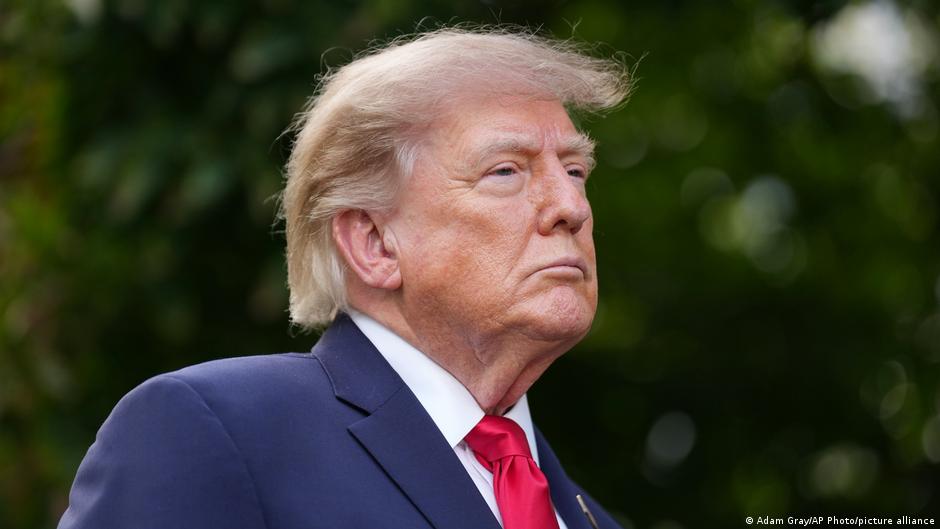
Trump expects new Iran talks as the Hormuz standoff raises risks for energy markets, fintech compliance, crypto volatility and tech stocks.
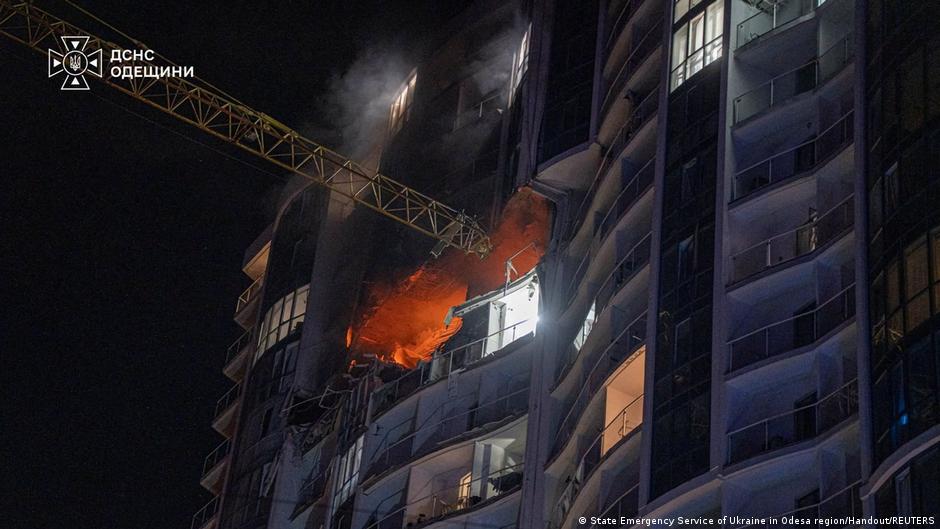
Russian drone strikes killed at least three civilians in Zaporizhzhia and hit port and civilian infrastructure in Odesa’s Kiliia.
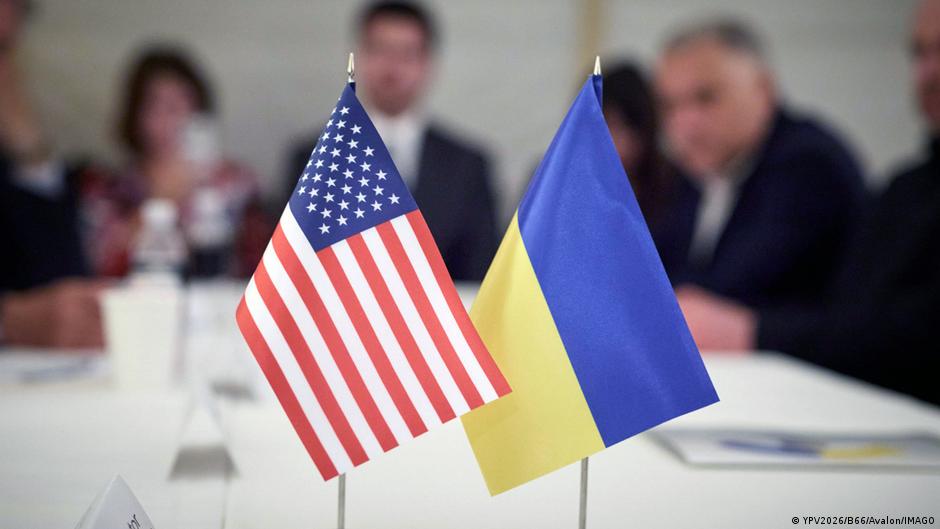
Kyiv denied a Bloomberg report that Trump urged Zelensky to travel to Moscow, as U.S. diplomacy focused on energy attacks and diesel prices.
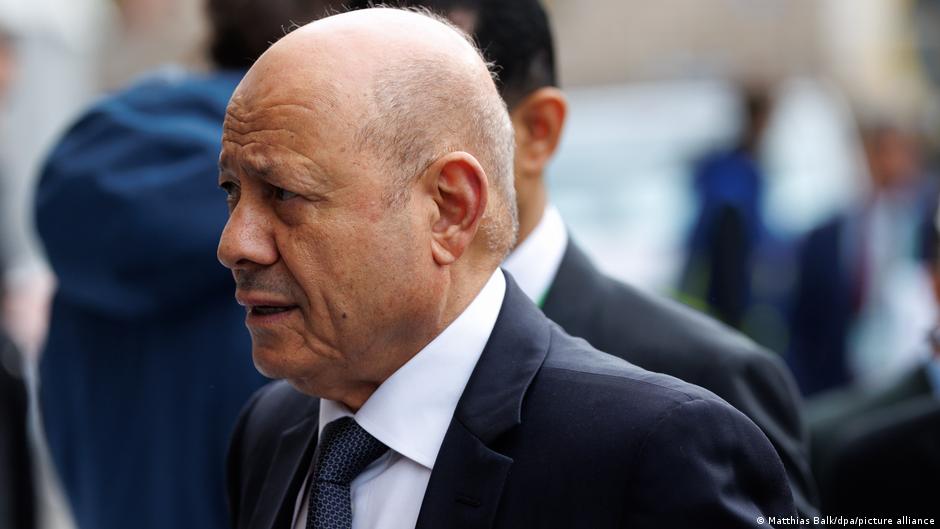
Yemen’s mobilization call adds pressure to Red Sea trade routes, energy costs and market risk as Houthi forces advance near Bab el-Mandeb.
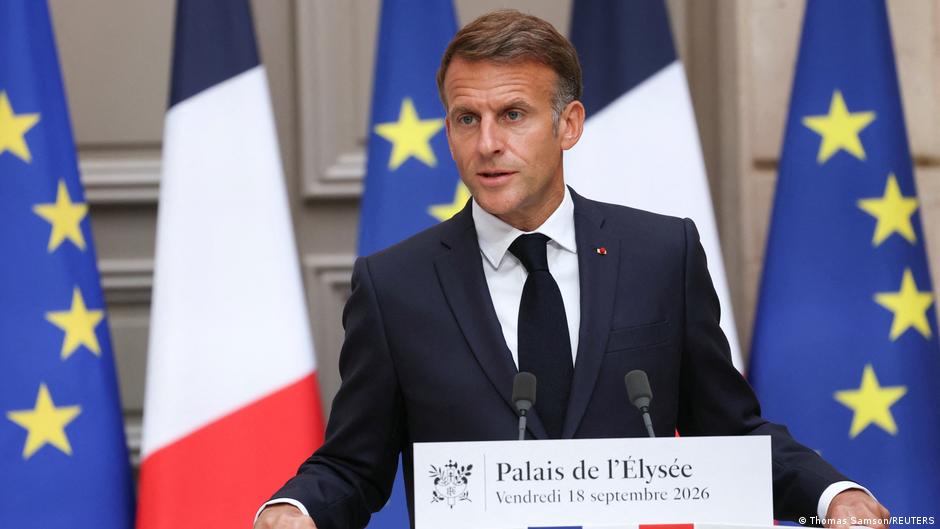
Macron says a Russian mobilization of about 300,000 people is credible and warns Europe faces rising hybrid and cyber threats.
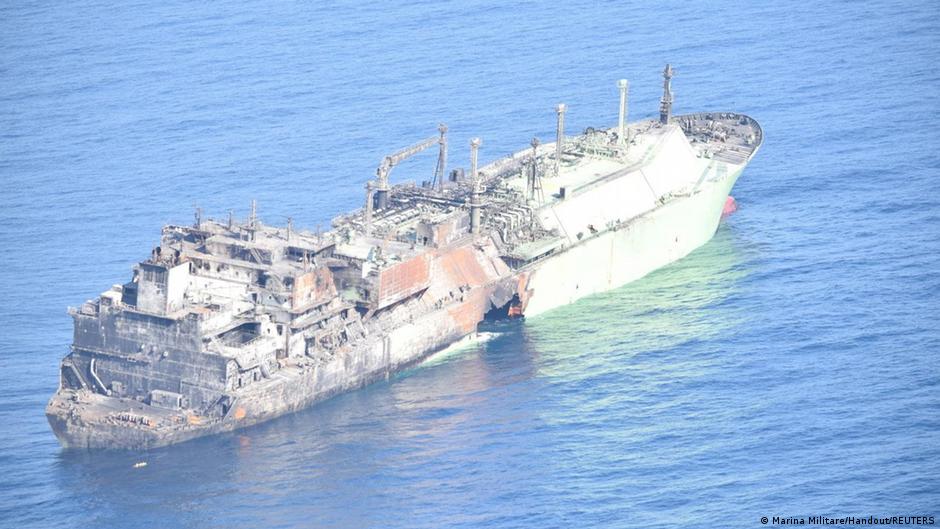
Russia’s flag registry grew 36% as sanctioned shadow-fleet vessels moved under pressure from open registries and compliance regimes.
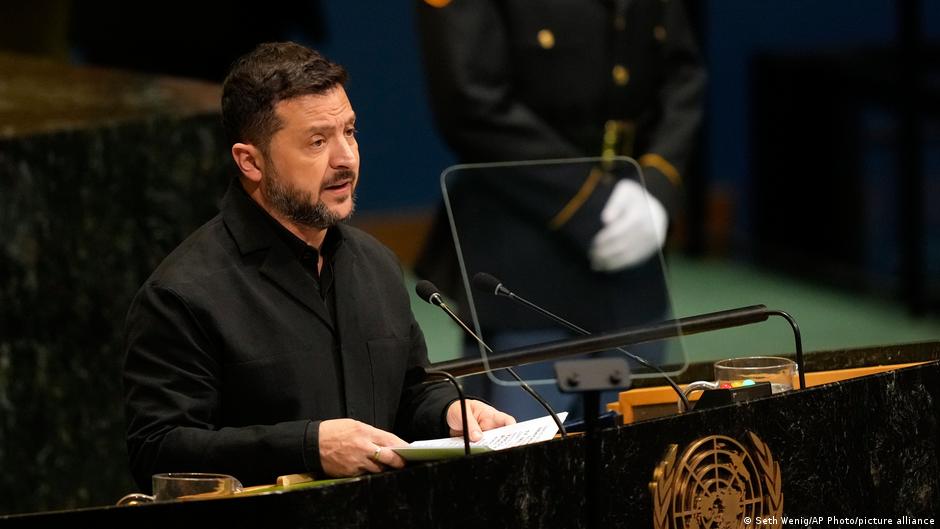
Zelenskyy told the UN that Putin is spreading war globally and said Ukraine is targeting Russia’s ability to finance and prolong the conflict.
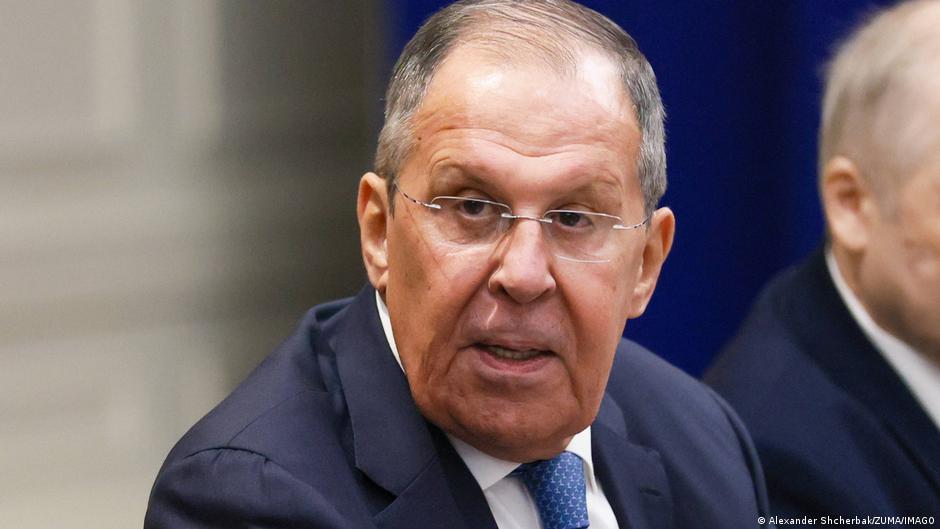
Lavrov rejected any pause for Ukraine talks as Rubio urged ceasefire diplomacy, keeping geopolitical risk in focus for fintech and digital markets.

German investigators are probing whether a drone near the Wunstorf air base carried explosives, raising infrastructure security concerns.
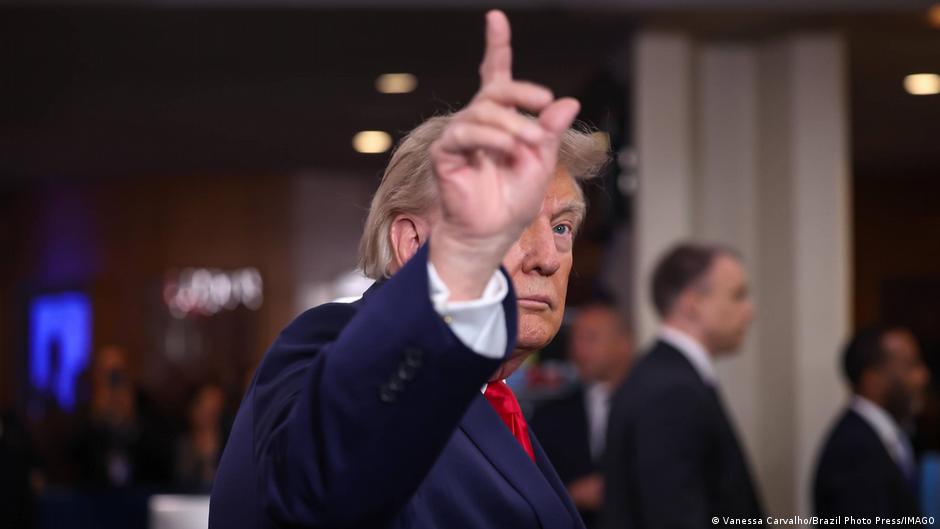
U.S.-Iran talks at the UN raised market focus on Hormuz shipping, sanctions, frozen assets, cybersecurity risk and fintech exposure.
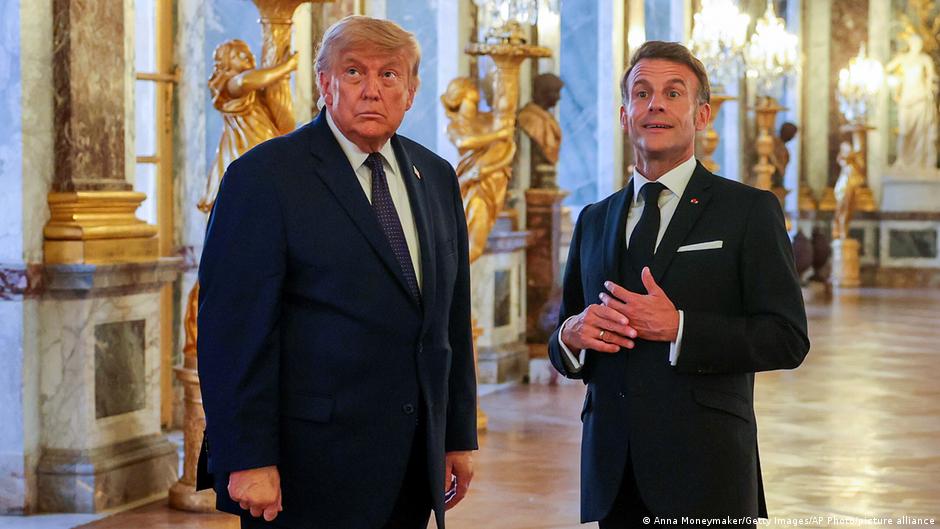
Macron says France and the U.S. will push for a moratorium on strikes against Ukraine’s energy and civilian infrastructure.
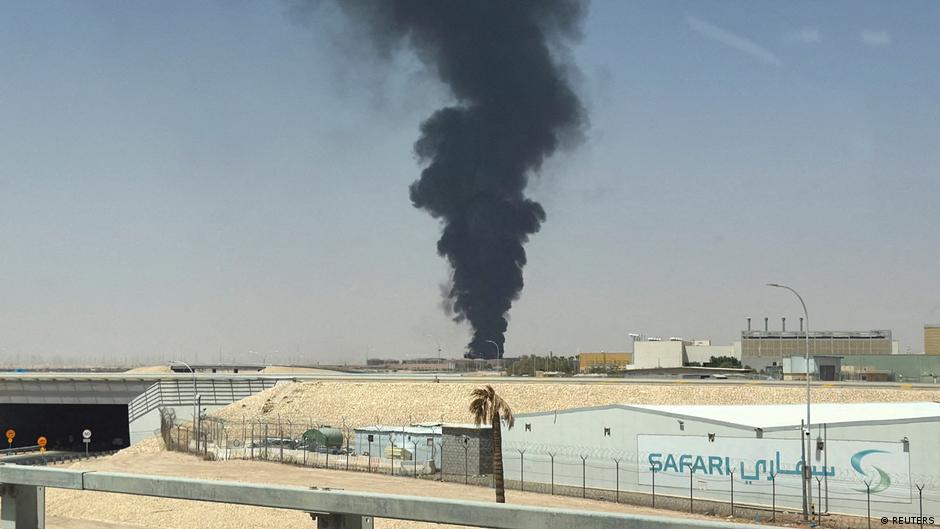
Saudi Arabia said it intercepted a Houthi missile aimed at Riyadh, adding pressure to oil routes, payments, crypto markets and tech stocks.
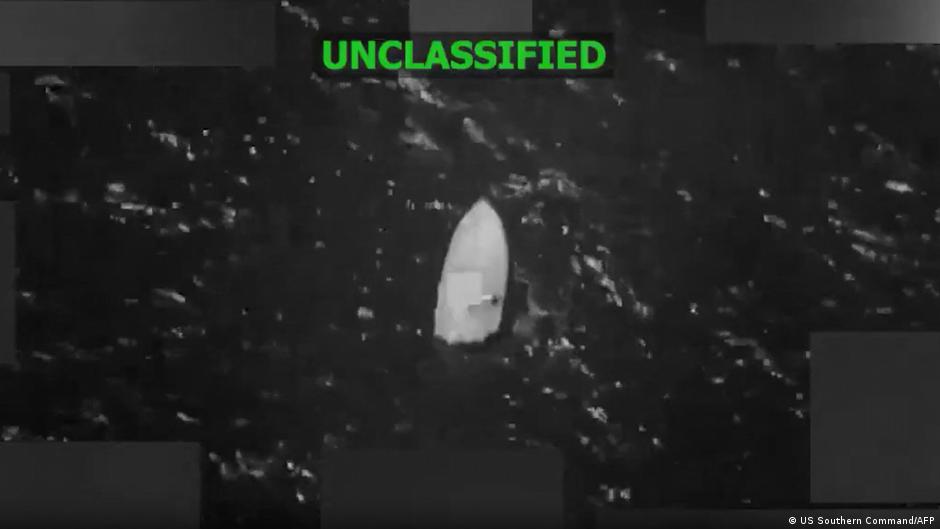
The U.S. said four people were killed in a Caribbean boat strike, extending a campaign that raises legal, compliance and illicit-finance questions.
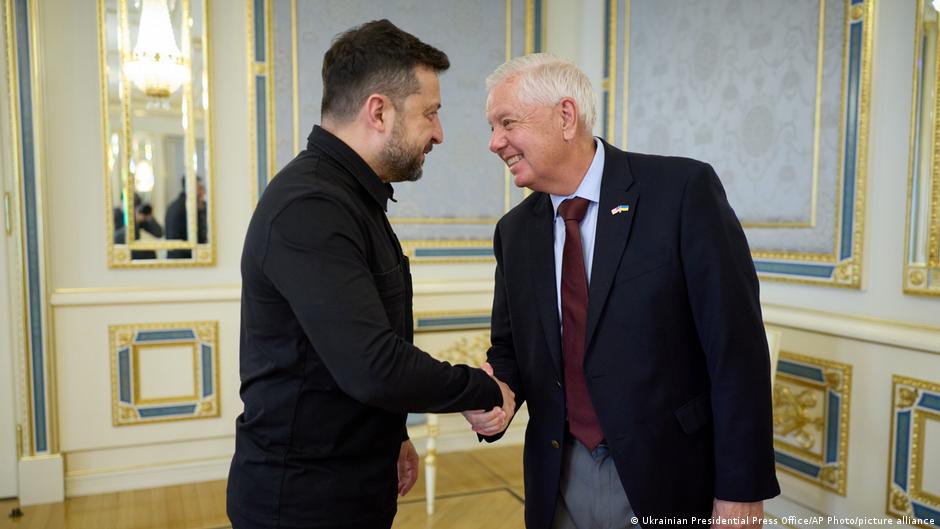
Trump signed the Graham sanctions bill, giving the White House broad powers over Russian energy tariffs, banks and sanctions evasion networks.

Friedrich Merz says unconditional transatlantic friendship may be over, with implications for Germany’s economy, security and digital sectors.
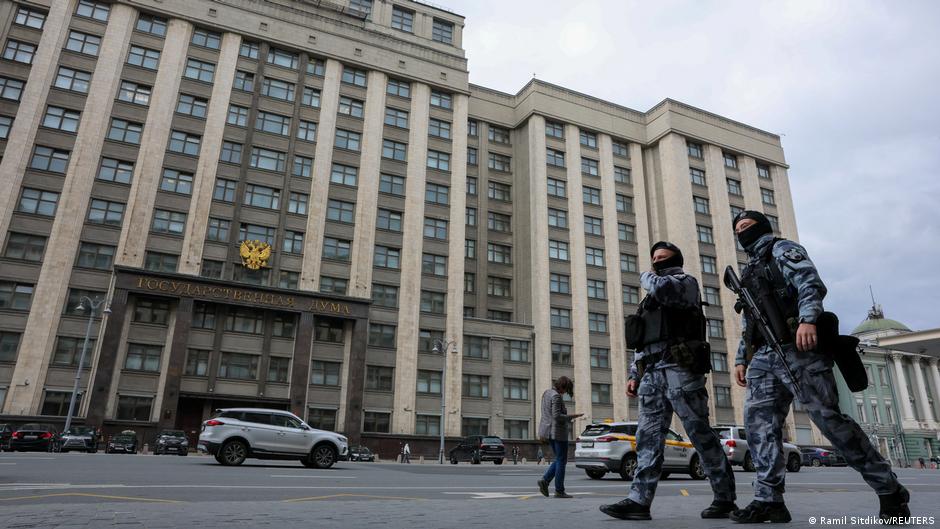
Russia’s three-day Duma vote begins as officials warn of AI-generated polling-place videos and extend voting to occupied Ukrainian territories.

Drone damage has halted a major Yaroslavl refinery, deepening Russia’s fuel strain and raising risks for payments, logistics and digital services.
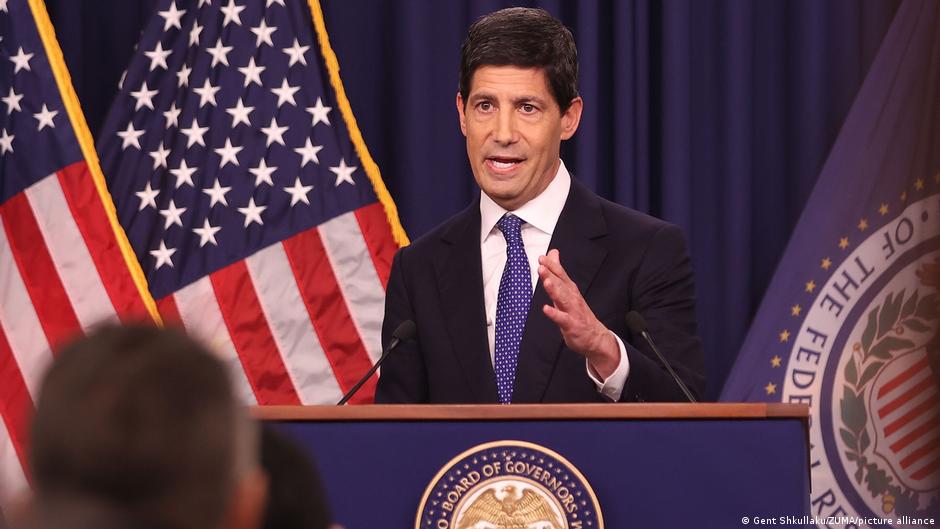
The Fed lifted rates to 3.75%-4%, its first increase in three years, putting fintech, crypto, payments and tech stocks under pressure.
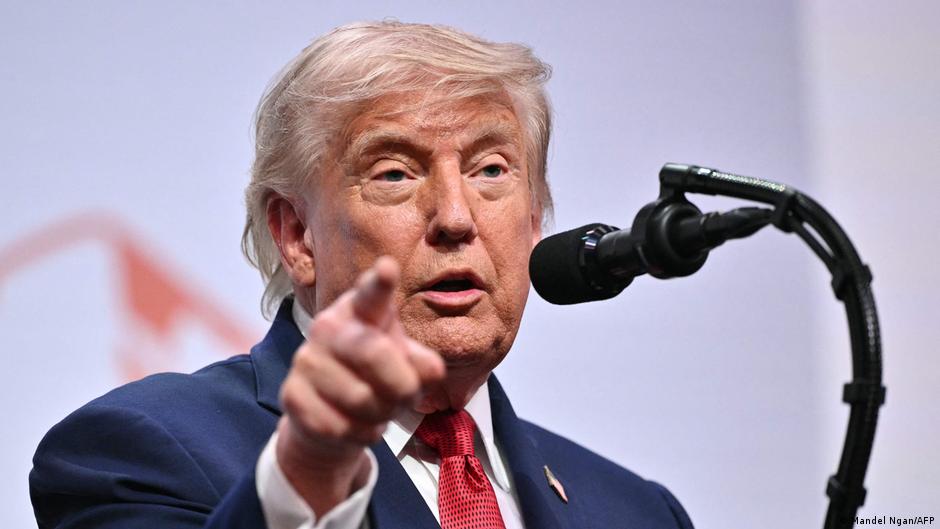
Trump warned of steep tariffs or a trade halt with Europe if the EU’s expanding Canada partnership is deemed hostile by Washington.

Russian strikes injured civilians in Kyiv, Odesa and Sumy, damaging homes, offices, warehouses and public buildings central to urban continuity.
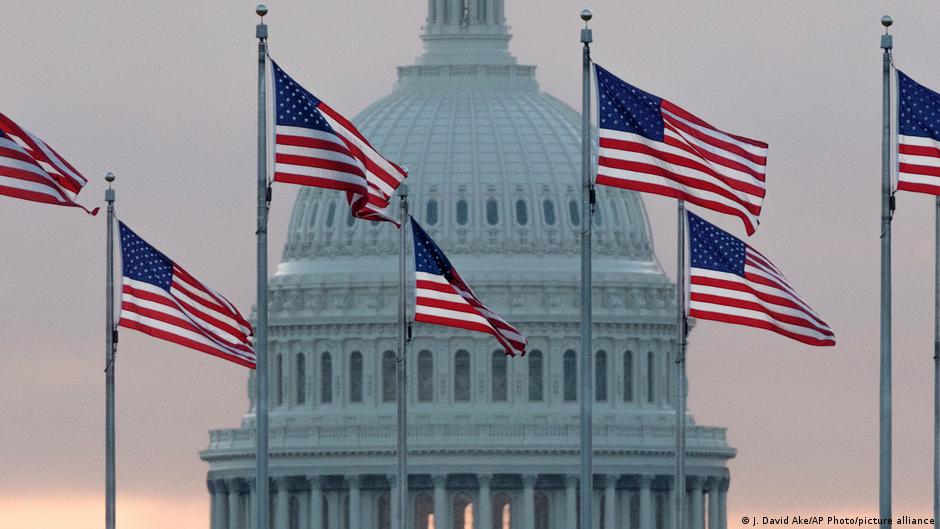
The House advanced a Graham-linked sanctions bill that could reshape energy trade, payment compliance, crypto monitoring and fintech risk.
Russian drone strikes hit Kyiv fuel stations, warehouses and Odesa port infrastructure, raising risks for logistics and digital commerce.
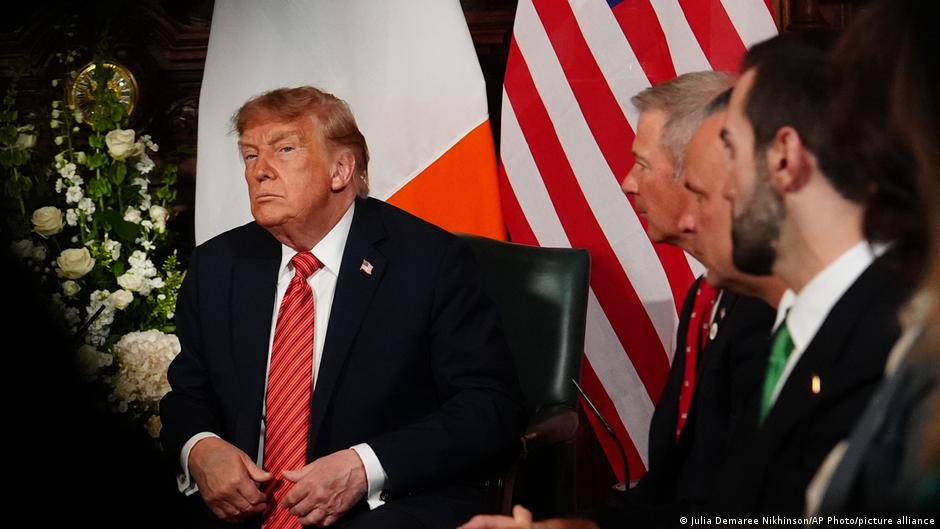
Trump said the U.S. will abolish a 10 percent tariff on Irish whiskey, a move with implications for trade payments and compliance systems.
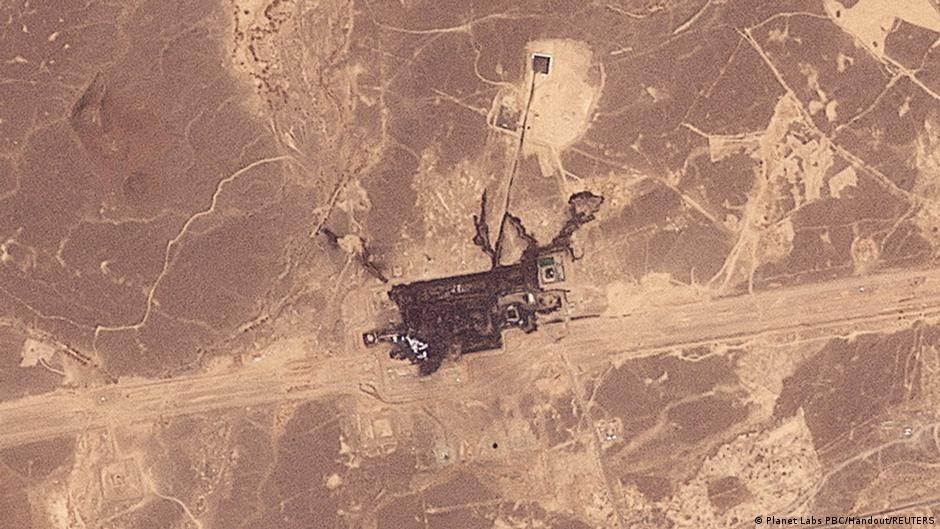
A Saudi pipeline halt could cut global oil supply by 4%, raising volatility risks for fintech, crypto, digital banking and tech stocks.
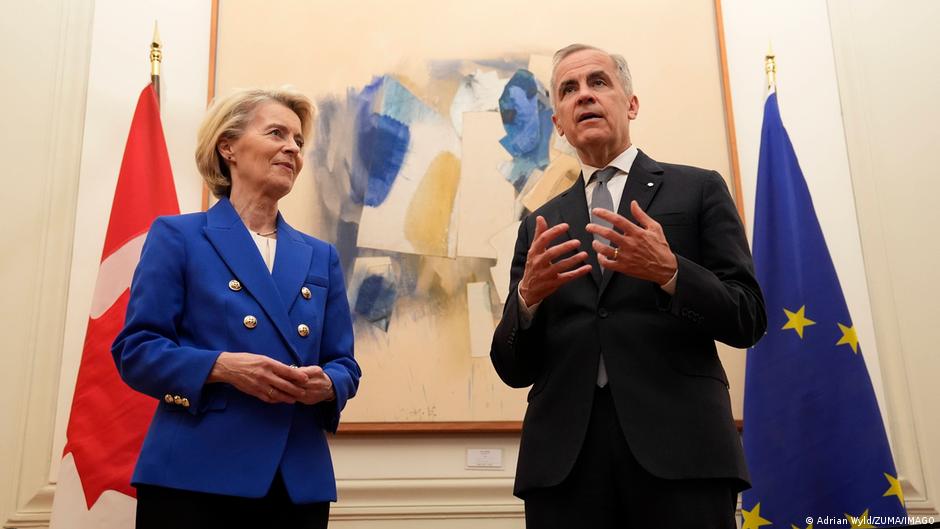
Canada is negotiating entry into the EU’s €90 billion Ukraine loan while pursuing AI, supercomputing and digital trade ties with Brussels.

Russia is expected at the G20 energy meeting in Houston as energy security risks ripple through payments, banking, crypto and tech markets.

Houthi control near Bab el-Mandeb could disrupt oil flows and ripple through payments, crypto, digital banking and tech stocks.

Zelensky says he expects a US delegation meeting by late September focused on energy and food security amid attacks on infrastructure.