Russian Drone Strikes Hit Ukraine’s Odesa and Zaporizhzhia Regions
The overnight attacks killed at least three civilians in Zaporizhzhia and struck port and civilian infrastructure in Odesa’s Kiliia.
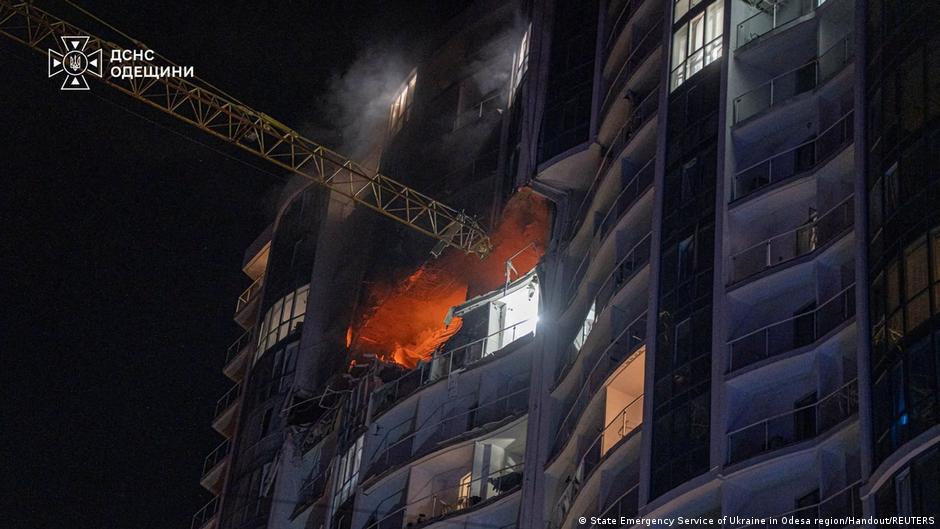
Russian strike drones attacked Ukraine’s Odesa and Zaporizhzhia regions overnight on Sunday, September 27, killing at least three civilians and injuring four others in Zaporizhzhia, according to preliminary information reported by local authorities.
The attacks underscore the continued vulnerability of civilian areas and logistics infrastructure in Ukraine, including facilities linked to regional transport and trade flows. For Ukraine’s digital economy, repeated strikes on settlements, roads, ports and civilian infrastructure carry consequences beyond immediate physical damage: they can disrupt payment activity, pressure local businesses, complicate banking access and raise operational risks for companies that depend on secure connectivity, stable transport routes and resilient public services.
According to Mykhailo Semykin, acting head of the Zaporizhzhia military administration, Russian forces struck the settlement of Kamyshevakha and the village of Novotavriiske. He said preliminary data indicated that three civilians were killed and four others were wounded.
Preliminary reports from Zaporizhzhia authorities said three civilians were killed and four others injured after Russian drone strikes hit Kamyshevakha and Novotavriiske.
In Novotavriiske, Russian forces attacked a car that was traveling through the village, Semykin said. After the strike, the vehicle caught fire. A man and a woman died at the scene, according to the official account. In Kamyshevakha, one house was destroyed and several neighboring homes were damaged, local authorities added.
Ports, Payments and the Digital Economy
Russia also carried out strikes on port and civilian infrastructure in the city of Kiliia in Odesa region, the Izmail district administration reported. Preliminary information indicated that no one was injured in that attack. A fire that broke out at the strike site was extinguished by emergency services.
For financial markets and technology companies watching Ukraine, attacks on Odesa region remain significant because the area is tied to trade infrastructure, logistics and cross-border economic activity. Port facilities and nearby civilian systems are not only physical assets; they are part of the wider operating environment for payments, customs processes, insurance, digital banking, merchant services and supply-chain finance. Even when casualties are avoided, damage or fire at an infrastructure site can increase uncertainty for businesses, lenders, payment processors and technology vendors serving the region.
Ukraine’s wartime economy has leaned heavily on digital tools to keep commerce functioning. Mobile banking, card payments, online public services, remote work platforms and digital identity systems have helped households and businesses maintain basic activity despite ongoing attacks. But drone strikes on towns and infrastructure can test that resilience. Power interruptions, damaged roads, emergency restrictions and the need to relocate staff can all affect the ability of merchants to process transactions, banks to serve customers and local enterprises to stay connected to suppliers.
The attack on a vehicle in Novotavriiske also illustrates the civilian risk that shapes economic behavior in frontline and near-frontline regions. When movement through villages becomes dangerous, businesses face higher delivery costs, workers face greater personal risk and consumers may reduce travel to shops, branches or service points. In such conditions, digital channels often become more important, but they also depend on electricity, telecommunications and cybersecurity capacity remaining intact.
Cybersecurity Risk Rises Alongside Physical Attacks
For banks, fintech companies and infrastructure operators, physical strikes can also heighten cybersecurity concerns. During periods of disruption, organizations may shift operations quickly, rely on backup systems, process emergency payments or reroute communications. Those moments can create openings for fraud, phishing and cyberattacks, particularly when staff and customers are under pressure. The source information does not report any cyber incident linked to the September 27 strikes, but the broader risk environment for digital services typically intensifies when physical infrastructure is under attack.
Crypto activity and alternative payment rails may also draw attention during periods of instability, especially where traditional infrastructure is strained. Ukraine has previously been closely watched by the global digital asset sector because of wartime fundraising, cross-border transfers and technology adoption. The latest reported strikes do not include claims about cryptocurrency flows or digital asset platforms, but the continuing pressure on civilian and logistics networks is relevant for investors and companies assessing the durability of Ukraine’s digital economy.
Technology stocks with exposure to cybersecurity, cloud infrastructure, payments, logistics software and defense technology often respond to geopolitical risk through changing expectations about demand, regulation and operational exposure. The events reported in Zaporizhzhia and Odesa are local and human in their immediate impact, but they sit within a wider conflict that continues to influence investor thinking about resilience technology, secure communications and digital public infrastructure.
Emergency services extinguished the fire in Kiliia, and local authorities reported no injuries there based on preliminary information. In Zaporizhzhia region, however, the toll was severe: at least three civilians killed, four wounded, a vehicle destroyed by fire, one home demolished and nearby houses damaged. For communities already living under the pressure of repeated attacks, the economic and digital aftershocks can persist long after the immediate emergency response ends.