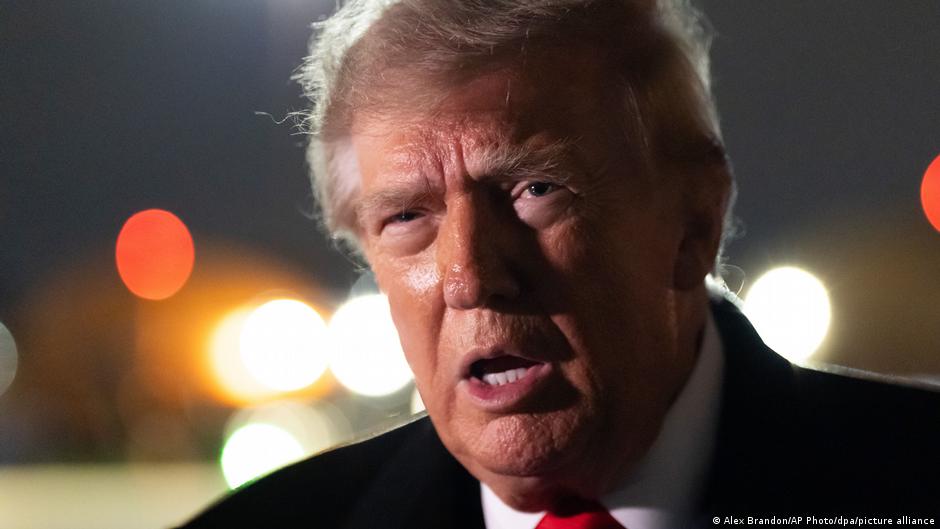
Trump Postpones Planned Military Strike on Iran Amid High-Stakes Negotiations
US President Donald Trump delays a planned May 19 attack on Iran following diplomatic appeals from Gulf leaders as serious negotiations continue.
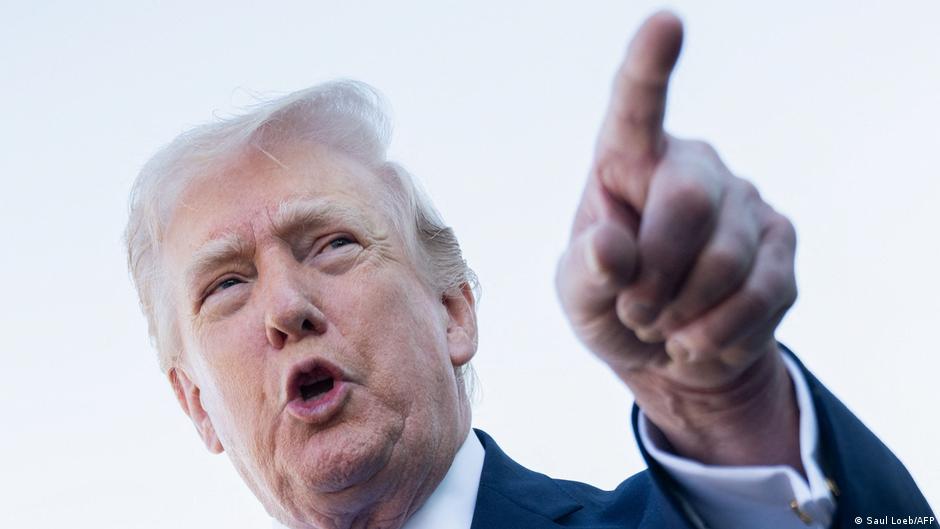
Former US President Donald Trump announced on May 18 that he postponed a "planned military strike" against Iran scheduled for May 19. The announcement came via his social media platform Truth Social, where Trump shared that key Gulf leaders urged him to reconsider the attack.
Diplomatic Pressure from Gulf Allies
According to Trump, the decision to delay was influenced by requests from Qatar's Emir Sheikh Tamim bin Hamad Al Thani, Saudi Arabia's Crown Prince Mohammed bin Salman, and the President of the United Arab Emirates Sheikh Mohammed bin Zayed Al Nahyan. The president stated that "serious negotiations" are underway aimed at reaching an agreement acceptable to the United States and the broader Middle East region.
"The deal will include a ban on nuclear weapons for Iran," Trump asserted, signaling hopes for a diplomatic resolution over escalating tensions.
Despite the postponement, Trump emphasized readiness for military action if negotiations fail, instructing Pentagon chief Lloyd Austin, Joint Chiefs of Staff Chairman General Mark Milley, and the US Armed Forces to be prepared for a full-scale offensive against Iran at any time.
Strategic Implications for the Digital Economy and Fintech
The recently averted military strike and ongoing geopolitical tensions in the Middle East hold significant implications for global fintech, digital banking, and cybersecurity sectors. The region is a critical hub for energy supplies and financial flows, and instability often results in market volatility affecting technology stocks, including those in payments and crypto industries.
Certain fintech firms depend on stable cross-border transactions and predictable regulatory environments, which conflicts or sanctions can disrupt. For example, sanctions targeting Iran have historically limited access to international banking and payment infrastructures, pushing Iran towards alternative digital payment solutions and cryptocurrencies to bypass restrictions.
"The threat of conflict keeps markets on edge and can accelerate shifts in payment ecosystems as businesses seek resilient digital channels," explains an industry analyst familiar with Middle Eastern fintech developments.
Complex Negotiations and Nuclear Concerns
Recent reports from Iranian state media outline that the US has presented five conditions for a second round of peace talks, including the removal of 400 kilograms of enriched uranium from Iran and restrictions on the country's nuclear facilities. Washington has also refused to unblock even 25% of Iran's frozen assets, linking the end of hostilities directly to negotiation outcomes.
Iran counters with demands such as lifting sanctions, compensation for war damages, and recognition of sovereignty over the Strait of Hormuz, a vital chokepoint for global oil and gas shipments that also supports critical digital infrastructure for energy trading platforms.
Despite the fragile ceasefire brokered in April with Pakistan's mediation, violations continue on both sides, including US naval blockades and Iranian drone attacks on shipping vessels. This ongoing instability underscores the geopolitical risks that fintech and digital economy players must navigate in the region.
Looking Ahead
As high-stakes diplomacy unfolds, the intersection of geopolitical developments and the rapidly evolving fintech landscape will remain closely intertwined. Market participants, especially in payments and cybersecurity sectors, will monitor regional stability as it directly influences cross-border digital transactions, crypto asset flows, and the security of financial networks.