US-Iran Uranium Stocks Debate Highlights Risks for Digital Finance and Security
Tensions over Iran's enriched uranium stocks raise concerns for cybersecurity and fintech amid geopolitical instability.
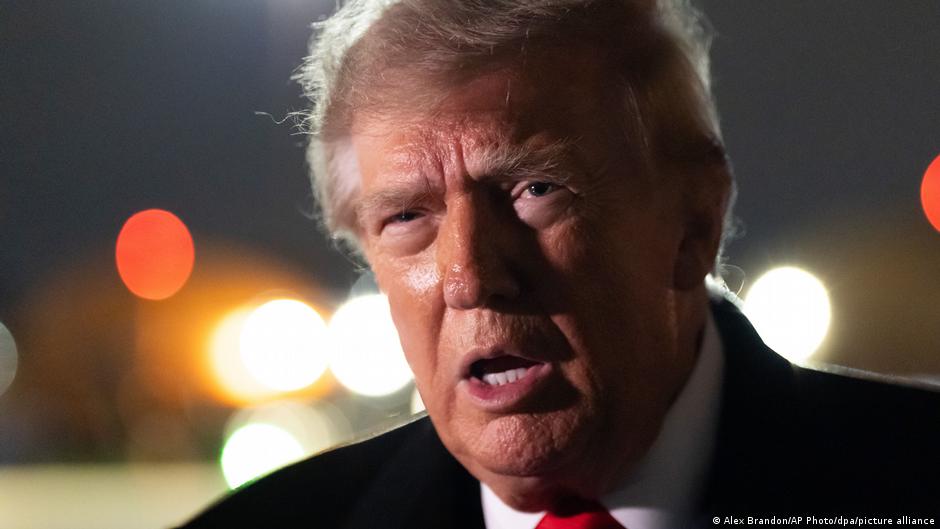
Former US President Donald Trump has stated that Iran's enriched uranium stockpiles will either be destroyed on-site under International Atomic Energy Agency (IAEA) supervision or transported to the United States for disposal. This declaration, made on Trump's Truth Social platform, underscores the ongoing geopolitical tensions related to Iran's nuclear program and their broader implications for the financial technology sector, digital banking, and cybersecurity.
Geopolitical Tensions and the Digital Economy
Trump's statement emphasizes that the preferable option would be the destruction of Iran's uranium reserves within Iran itself to avoid transportation risks. He referred to the enriched uranium as "nuclear dust," alluding to previous US military actions targeting Iran's nuclear infrastructure. This rhetoric reflects the heightened risk environment that financial markets and digital platforms must navigate as geopolitical instability escalates.
"The threat posed by Iran's nuclear program is one of the reasons justifying the ongoing US and Israeli military actions," Trump said, highlighting the strategic stakes involved.
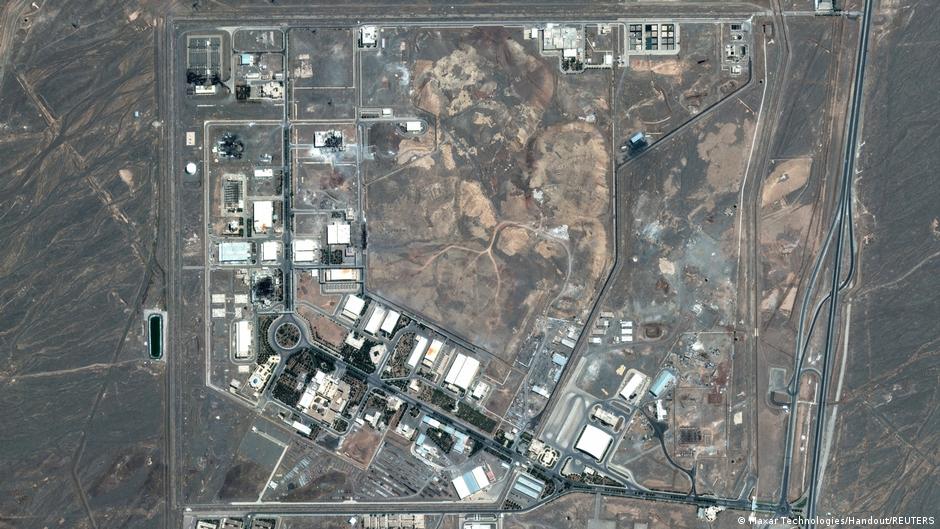
Iran is believed by US intelligence to possess over 440 kilograms of uranium enriched to 60%, far exceeding levels required for civilian energy production and edging closer to weapons-grade material. This proximity raises concerns not only about physical security but also about the potential repercussions on global digital economies.
Financial technology companies, especially those dealing with cross-border payments and cryptocurrencies, may face increased compliance and cybersecurity challenges amid sanctions and heightened scrutiny of transactions linked to Iran. Digital banking platforms could experience volatility due to market reactions, while tech stocks in sectors sensitive to geopolitical shifts may fluctuate.
Furthermore, any military conflict or escalation in the region could threaten the cybersecurity infrastructure underpinning fintech operations, with risks ranging from state-sponsored cyberattacks to disruptions in digital payment systems.
Implications for Fintech and Cybersecurity
As the global financial ecosystem becomes increasingly digitized, geopolitical risks such as those stemming from Iran's nuclear program have direct and indirect impacts on fintech innovation and security protocols. Regulatory bodies may tighten controls on digital transactions involving Iran, complicating compliance frameworks for fintech firms.
Moreover, investors in technology stocks should monitor developments closely, as heightened tensions can lead to market instability and shifts in investment flows toward safer assets or sectors.
In this volatile context, ensuring robust cybersecurity defenses is paramount for digital banking and payment platforms to safeguard assets and maintain consumer trust.
Until now, Iran has not officially confirmed any agreement to transfer or dismantle its enriched uranium stocks, leaving the international community uncertain about the next steps and the potential ramifications for digital economies worldwide.